

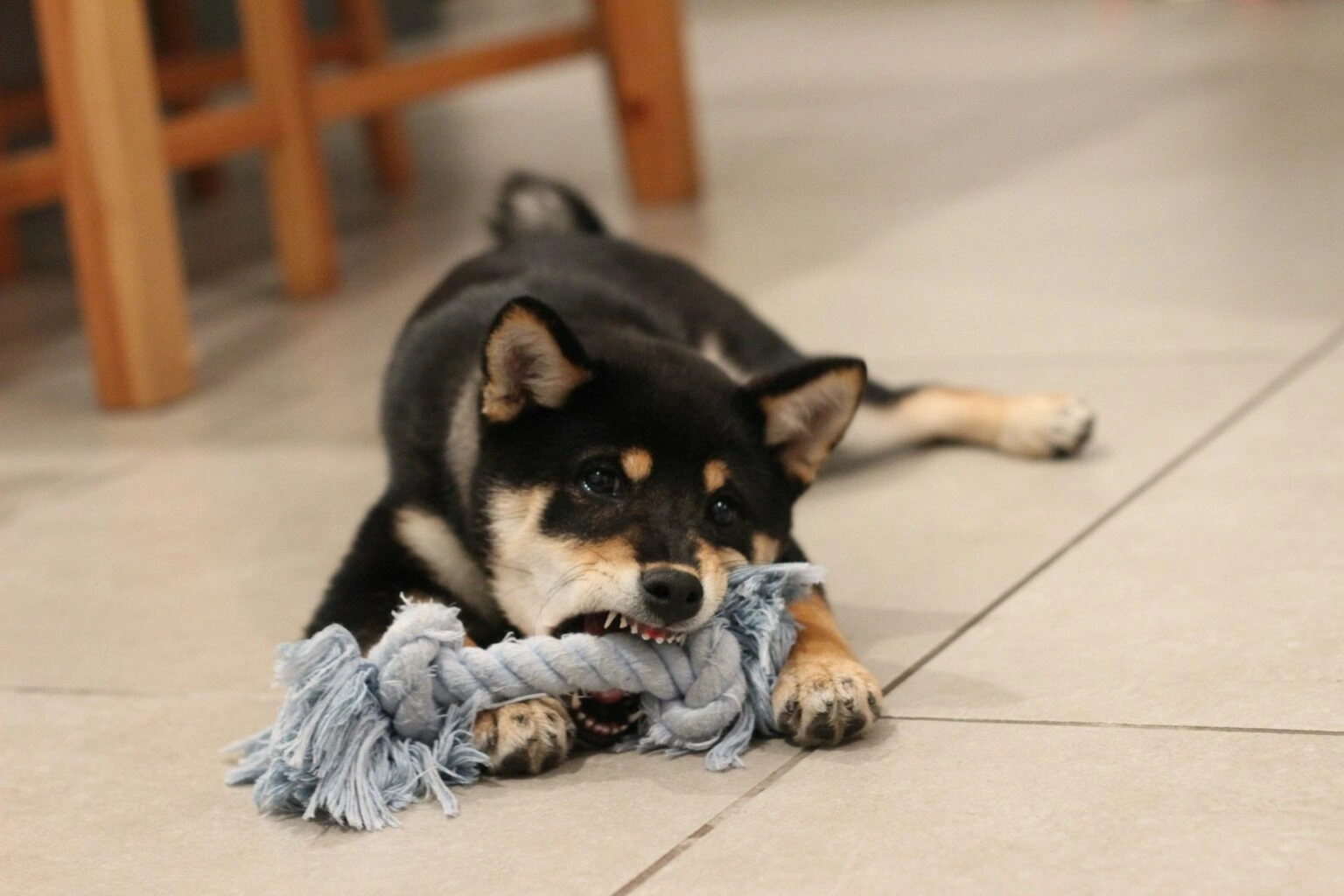
If your dog has been pacing, whining, chewing the furniture, or generally seeming out of sorts, the problem might not be behavioral. Dogs are wired to use their brains, noses, and problem-solving instincts every day, and most of them get nowhere near enough mental stimulation. The result is stress, anxiety, and behaviors that look like misbehavior but are actually symptoms of an under-stimulated mind.
Enrichment toys are real tools for managing canine stress, supporting mental health, and giving dogs an outlet for instincts that would otherwise have nowhere to go. Whether you reach for a snuffle mat, a puzzle feeder, or a pupsicle, the right enrichment can completely change how your dog moves through the day.
Here’s how it actually works.
Table of Contents
Mental Stimulation Tires Dogs Out
Most dog owners default to physical exercise as the primary outlet for their dog’s energy. Walks, runs, fetch, and yard time are all important, but they’re not enough on their own. A dog that gets two hours of physical activity but no mental work is often still wired by the evening.
Enrichment toys engage the brain in ways physical exercise can’t. The cognitive effort of solving a puzzle, working out how to get a treat out of a pupsicle, or finding hidden food in a snuffle mat is genuinely tiring. Many trainers note that 10 minutes of mental work can tire a dog out as much as 30 minutes of walking.
Engagement Reduces Anxiety
Anxious dogs often spiral when left alone or exposed to stressful situations. The pacing, whining, destructive chewing, and excessive vocalization that accompany anxiety are largely driven by an inability to redirect mental energy.
Enrichment toys give that energy somewhere to go. A dog focused on getting peanut butter out of a toy isn’t simultaneously thinking about the thunderstorm outside, the houseguests they don’t know, or the empty house they’ve been left in. The redirection isn’t a permanent fix for serious anxiety, but it’s a reliable tool for getting through tough moments.
Sniffing Activates Calming Systems
Dogs experience the world primarily through scent, and sniffing actually activates the parasympathetic nervous system, which is responsible for relaxation. Toys that engage the nose naturally help dogs calm down, even when they’re working hard at the task.
Studies in shelter environments have shown that sensory enrichment, particularly scent-based, reduces stress behaviors in dogs more effectively than no enrichment at all. The same dynamic plays out in home environments, where scent work can transform a hyperactive dog into a focused, relaxed one within minutes.
Puzzle Toys Build Confidence
Anxious or under-socialized dogs often struggle with confidence, and confidence-building is one of the most important elements of long-term anxiety management. Puzzle toys give dogs achievable challenges that yield clear rewards, helping build a sense of accomplishment.
Starting with easy puzzles and gradually increasing difficulty teaches dogs that they can handle challenging situations. That transferable skill helps anxious dogs cope better with the unpredictable events that occur in everyday life.
Routine Reduces Behavioral Issues
Dogs thrive on predictability. Building enrichment into the daily routine creates consistency that reduces baseline stress. A dog that knows they’ll get a puzzle toy after breakfast, a snuffle mat before lunch, and a frozen Kong during your work meetings has a structured day that supports calm behavior.
This structure also reduces problematic behaviors that occur when dogs don’t have appropriate outlets for their energy, such as destructive chewing, excessive barking, and stress-eating.
Rotation Keeps Things Interesting
Enrichment toys work best when they don’t become predictable. Rotating through a handful of toys, putting some away for a few weeks, and bringing them back later keeps the novelty factor on your side. A toy that’s been out of sight for a month feels brand new when it reappears.
This approach also extends the lifespan of your toy collection. Three or four well-chosen enrichment toys deliver more value than a giant pile of toys your dog has lost interest in.
Supervision Still Matters
Not all enrichment toys are safe for unsupervised use. Strong chewers can destroy or swallow pieces of toys that aren’t designed for their bite strength, and any toy with small parts should be monitored. Choose toys appropriate for your dog’s size, chewing intensity, and personality, and supervise the first few sessions with any new toy.
The American Kennel Club and most veterinary behaviorists recommend introducing new enrichment gradually and always pairing it with positive associations. Done right, it becomes a tool that genuinely supports your dog’s well-being.
Also Read : The Science Behind Emotional Support Animals and Anxiety Relief
Less Stress, More Connection
A dog who has appropriate outlets for their mental and physical energy is a calmer, happier, more connected pet. Enrichment is about giving them the same thing humans need to thrive: meaningful work, sensory engagement, and the satisfaction of solving real problems.
The result is a dog who comes home from a busy day relaxed, sleeps better at night, and handles stress with more resilience. That’s a better life for your dog and a better experience for you.

