

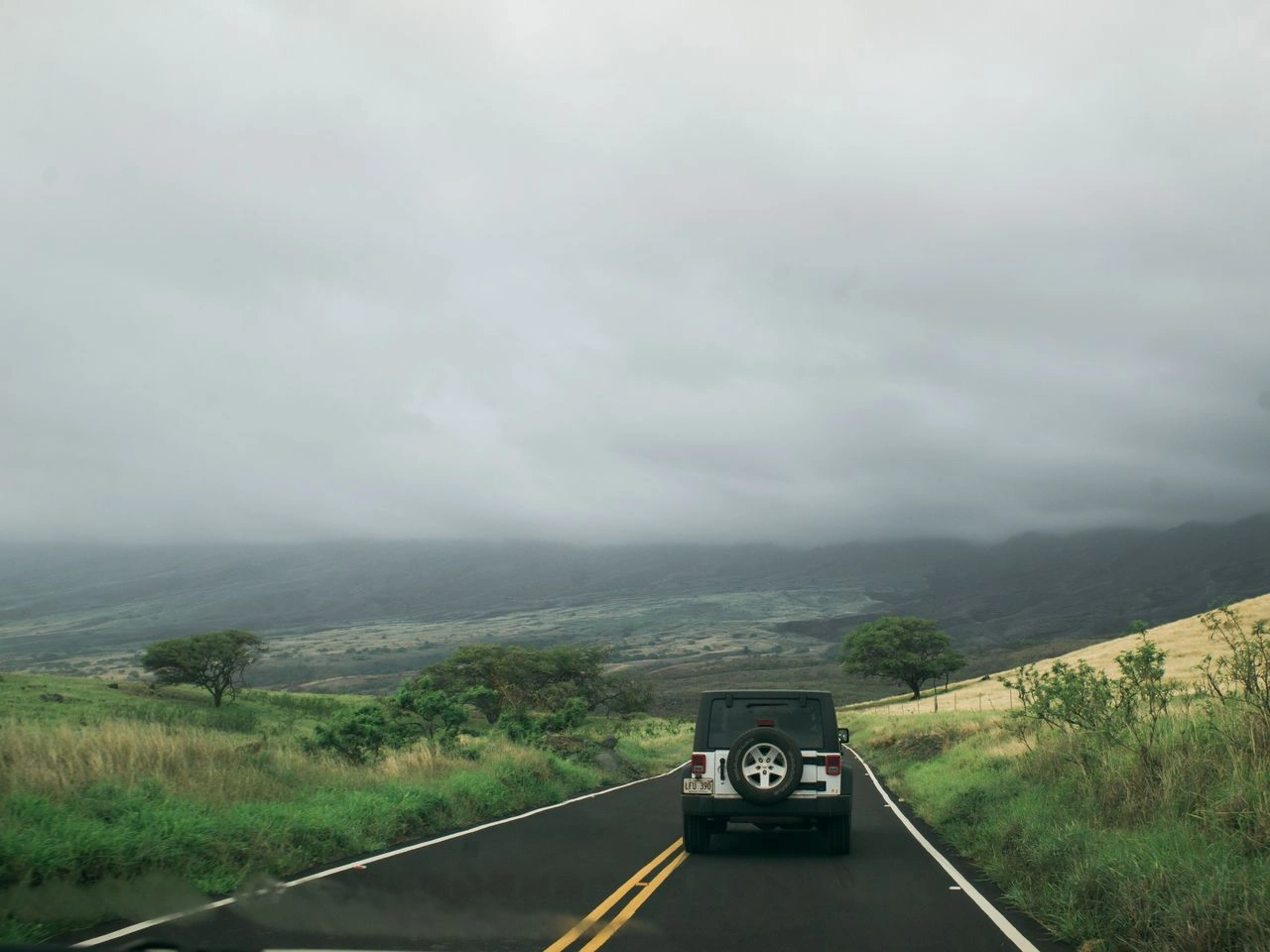
Packing the car for a coastal road trip with the dog in the back seat, most of us run through the same checklist: leash, water bowl, sunscreen, beach towels. Fewer of us think to check whether everything in our travel bag is actually legal to carry across the next state line — and for a small but growing list of over-the-counter products, that’s a real gap worth closing before you go, not after you get pulled into a conversation with a park ranger or a hotel front desk you didn’t expect to have.
Supplement and botanical product laws are one of the most inconsistent corners of U.S. regulation, and nothing illustrates that better than kratom, a plant-based product that’s become a fixture of gas station shelves and specialty shops across much of the country.
Table of Contents
A Legal Patchwork, Literally State by State
Here’s the part that surprises most travelers: there is no single federal answer on kratom. It is not currently scheduled as a controlled substance federally, and the National Institute on Drug Abuse confirms that it remains legal and widely accessible in most of the U.S. — but “most” is doing important work in that sentence, because a handful of states have banned it outright, and some cities and counties have added their own local restrictions even within states where it’s otherwise legal statewide.
That means a product sitting legally in your travel bag in one state can put you in a genuinely awkward legal position the moment you cross into another. This isn’t unique to kratom — CBD products with trace THC content have created similar headaches for travelers for years, and several states have their own quirks around certain over-the-counter cold medications too — but kratom’s patchwork is currently one of the least consistently understood by everyday travelers, largely because retail availability doesn’t reliably signal legal status. A product being sold openly in a gas station in one state tells you nothing about whether it’s legal in the next state over.
A Practical Pre-Trip Checklist
If you’re the type of traveler who plans routes around dog-friendly beaches and pet-welcoming trailheads (and if you’re reading a site like this one, there’s a good chance you are), add a five-minute step to your packing routine before any multi-state trip:
- Check the current legal status in every state on your route, not just your destination. Laws can change year to year, and a state that was fine last summer may not be this summer. A quick search for the state’s current stance the week before you leave is worth the five minutes.
- Don’t assume rest stops and gas stations reflect legality. Retail presence is not a legal green light — enforcement and shelf stocking don’t always track state law changes in real time.
- Keep original packaging and any lab documentation with you. If a product is ever questioned, having the original labeling, ingredient list, and any third-party lab testing documentation on hand makes it far easier to demonstrate exactly what you’re carrying and that it’s what the label claims.
- When in doubt about a specific product form, leave it home. This applies to any borderline-regulated product, not just botanical supplements — if a five-minute search doesn’t give you a clear answer for every state on your route, it’s not worth the risk to your trip.
Why Product Form Matters for This Conversation Too
Part of what makes this landscape confusing is that these products show up in a lot of different forms — powders, capsules, teas, and concentrated kratom extract products among them — and travelers sometimes assume that a more processed or “official-looking” product form is automatically better regulated or more universally legal than a raw one. It isn’t. Legal status attaches to the substance itself in most states’ statutory language, not to the specific format it’s sold in, so a capsule or extract isn’t inherently in a different legal category than a raw powder version of the same plant.
Kratom itself comes from Mitragyna speciosa, a tropical tree native to Southeast Asia and part of the same botanical family as coffee, according to the DEA’s official drug fact sheet. It has a long history of regional use in Thailand, Indonesia, and Malaysia, long before it became a U.S. retail product — which is a fun bit of context for a road trip conversation, even if the more urgent, practical takeaway is the legal-status homework.
The Bigger Travel-Planning Habit This Points To
Beach and trail access rules for dogs already teach frequent travelers this exact lesson in a different context: what’s allowed on one stretch of coastline is not allowed twenty miles down the road, and the only way to avoid a bad surprise is checking ahead rather than assuming consistency where none exists. Supplement and botanical product law works the same way, just with higher stakes if you get it wrong. Add it to the same mental checklist you already run for pet policies, parking permits, and leash laws, and you’ll never be caught off guard at a rest stop with something in your bag you didn’t realize you needed to leave at home.

