

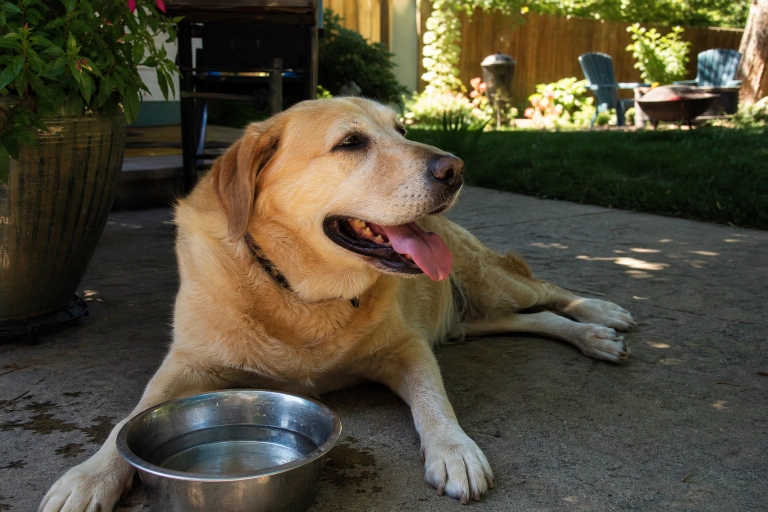
Warm days can be great for walks, backyard play, and trips outdoors, but dogs can become overheated faster than many owners expect. Knowing the difference between ordinary panting and rapid breathing in dogs can help you respond before a mild problem becomes a serious emergency.
Dogs do not cool themselves the way people do. They rely primarily on panting, small amounts of sweating through their paw pads, rest, shade, water, and airflow. When the weather is hot or humid, those cooling methods may not work well enough, especially during exercise or time in direct sun.
Table of Contents
Why Hot Weather Can Be Dangerous
Overheating in dogs can occur not only on hot summer days but also in warm, humid conditions or during intense activity. Signs of overheating include slowing down, seeking shade, and heavy panting. Heat-related illnesses can escalate from heat stress to heat exhaustion and potentially to heatstroke, especially in environments like hot pavement, poorly ventilated spaces, or inside parked vehicles, where even a cracked window offers little protection. Veterinary advice emphasizes recognizing that hot, humid weather and strenuous exercise pose significant risks. To prevent heat-related issues, prioritizing the dog’s comfort and observing their behavior is crucial over adhering to a planned activity.
Normal Panting Vs. Warning Signs
Panting is often normal after play, excitement, travel, or a short period outdoors. It should gradually become quieter and easier once the dog rests in a cool area with water available. A dog that settles, drinks normally, and returns to typical behavior is less concerning than one whose breathing remains intense.
Pay attention to the whole picture, not just the sound of breathing. Panting warrants prompt attention if it persists after rest, occurs in a cool room without an obvious cause, or is accompanied by weakness, distress, drooling, an unusual posture, pale or dark gums, or confusion. Consider what happened before the change, including exercise, car travel, stress, sun exposure, and humidity.
Which Dogs Face Higher Risks?
Every dog can overheat, but some need extra protection. Short-nosed breeds such as Pugs, Bulldogs, Boston Terriers, and French Bulldogs may have more difficulty cooling themselves efficiently through panting. Puppies and senior dogs can also be less resilient when temperatures climb.
- Dogs carrying extra weight.
- Dogs with thick, long, or dark-colored coats.
- Dogs with heart, lung, airway, or other chronic health concerns.
- Dogs that are out of condition or unaccustomed to warm weather.
- Dogs recovering from illness, surgery, or a recent stressful event.
Risk factors are not guarantees, and a healthy adult dog is not immune. A sudden warm spell can be especially challenging because dogs often need time to gradually adapt to hotter conditions.
How To Prevent Overheating
A few simple routines can significantly reduce the chance of heat stress at home and outdoors:
- Keep fresh, clean drinking water available at all times.
- Provide shade and strong airflow in outdoor resting areas.
- Bring dogs indoors during the hottest part of the day whenever possible.
- Never leave a dog alone in a parked vehicle.
- Use a cool indoor room, damp towels, cooling mats, or fans to help with comfortable rest.
- Check the pavement before walking. If it is uncomfortable to hold the back of your hand against it for several seconds, choose grass, shade, or another route.
- Watch humidity as well as the temperature, since muggy air makes panting less effective.
How To Exercise Dogs Safely
Dogs still need movement and enrichment during warm weather, but the activity should match the conditions and the individual dog. Plan longer walks for early morning or later evening, choose shaded routes, and carry water with a portable bowl.
- Start with shorter sessions and take frequent breaks.
- Slow down immediately if your dog begins to lag, seek shade, or pant harder than expected.
- Skip long runs, fetch sessions, and vigorous play on very hot or humid days.
- Choose indoor alternatives, such as training games, food puzzles, scent work, or gentle tug play.
- Let your dog set the pace rather than encouraging them to keep up with a routine.
Signs Of Heat Stress And Heatstroke
Early signs may seem minor, including heavy panting, excessive drooling, restlessness, whining, reluctance to play, or repeated attempts to move toward shade. Heat exhaustion may include vomiting, diarrhea, stumbling, weakness, or slow responses to familiar commands.
Heatstroke is an emergency. Serious warning signs include uncontrolled panting, breathing difficulty, confusion, poor coordination, unusual gum or tongue color, seizures, collapse, or loss of consciousness. Do not assume a dog is safe simply because it stops moving or becomes quiet.
Also Read : Seamless Travel with Pets: The Ultimate Packing Guide
What To Do If A Dog Gets Too Hot
If you suspect overheating, stop activity immediately and move your dog into air conditioning, shade, or another cooler space. Offer small amounts of water only if the dog is alert and able to swallow. Begin gentle cooling with cool water and airflow, but avoid ice baths and do not force water into the mouth.
Guidance for responding when a dog overheats stresses moving the dog out of the heat, starting gentle cooling, and promptly seeking veterinary guidance. If there is collapse, confusion, seizures, vomiting, weakness, severe breathing trouble, or uncontrolled panting, go to an emergency veterinary facility without delay.
Common Questions About Dogs And Hot Weather
How Long Should A Dog Pant After Exercise?
Panting should ease gradually after rest in a cool environment. If it remains intense, worsens, or occurs alongside other concerning symptoms, contact a veterinarian.
Can A Dog Overheat On A Mild Day?
Yes. Direct sun, humidity, hot pavement, sudden activity, poor fitness, and thick coats can make a mild day unsafe for some dogs.
Are Fans Helpful For Dogs?
Fans can improve airflow, particularly in a cool indoor room, but they do not replace shade, drinking water, activity limits, or emergency care when symptoms are serious.
What If A Dog Seems Better After Cooling Down?
Stay cautious. Heat-related illness can cause internal problems even when a dog’s outward signs improve. A veterinarian can advise whether further evaluation is needed.
Final Takeaway
Preventing heat-related illness is easier than treating it. Time walks carefully, offer water and shade, avoid hot pavement and parked cars, provide rest breaks, and watch closely for changes in breathing or behavior. When in doubt, cool your dog down, stop the activity, and seek veterinary guidance promptly.

