

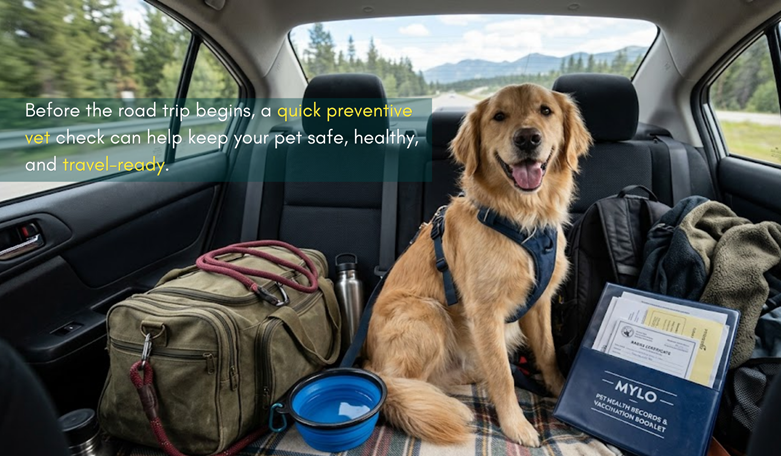
Summer travel feels even better when the whole family gets to come along, and for many pet parents, that includes dogs and cats.
Road trips, cabin weekends, beach rentals, national park routes, pet-friendly hotels, and long visits with relatives are now part of the way people plan vacations. Instead of leaving pets behind, more families are building their itineraries around outdoor restaurants, walkable neighborhoods, dog-friendly trails, and stays that welcome four-legged guests.
And, Denver is one of those cities where pet-friendly travel feels easy. There are walkable neighborhoods, dog-friendly patios, mountain views, nearby trails, open parks, and plenty of summer routes that make it tempting to bring your dog or cat along for the trip.
But even the best-planned pet-friendly Denver visit can come with surprises.
A dog may overheat after a long park day. A paw pad may get burned on hot pavement. A cat may stop eating after the stress of travel. A dog may drink lake or creek water and develop vomiting or diarrhea. Even a short visit can turn into a stressful search for a veterinarian if you do not know where to go.
Also read: Pet friendly beaches in Florida
Why Summer Travel Can Be Hard on Pets
Summer trips often sound easy for humans: sunshine, open windows, scenic stops, and more time outside. For pets, however, travel can bring a lot of unfamiliar stress.
- Dogs may spend more time walking on hot pavement, riding in cars, meeting new animals, or exploring areas with ticks, fleas, mosquitoes, foxtails, or unsafe water.
- Cats may face stress from carriers, hotel rooms, long drives, new smells, and disrupted routines.
- Senior pets, flat-faced breeds, puppies, kittens, and pets with chronic health issues may be especially sensitive to temperature changes and long travel days.
Even a simple weekend getaway can expose a pet to conditions they are not used to at home. A dog who usually walks on shaded neighborhood sidewalks may suddenly be hiking in dry heat.
A cat who rarely leaves the house may become dehydrated or refuse food in a new environment. A pet with mild allergies may flare up badly in a different region.
A preventive check allows a veterinarian to review your pet’s current health, travel plans, medication needs, and risk factors. It is also a good time to ask practical questions:
- Is my pet protected against ticks in this region?
- Do they need updated vaccines?
- Are they fit for hiking or swimming?
- Should I bring anti-nausea medication?
- What signs would mean we need urgent care while traveling?
What to Ask for During a Pre-Trip Vet Visit
A summer travel check does not need to be complicated. The goal is to identify anything that could become a problem away from home.
Start with a wellness exam.
Your vet can check your pet’s weight, hydration, heart, lungs, ears, eyes, skin, teeth, joints, and overall condition.
For older pets or pets with known medical concerns, your veterinarian may recommend bloodwork or additional screening before a longer trip.
Next, review vaccines and records. Hotels, boarding facilities, dog parks, daycares, groomers, and some travel settings may require proof of vaccination.
Keep digital and printed copies of your pet’s records, including rabies certificates and medication information.
Parasite prevention is especially important in summer.
Depending on where you are traveling, your pet may need reliable protection against fleas, ticks, heartworms, intestinal parasites, or region-specific risks. Ask whether your current prevention plan is enough for your destination.
It is also wise to talk about travel behavior. If your pet gets anxious in the car, refuses food while away, pants excessively, or has a history of motion sickness, your vet may suggest safe strategies or medication.
Never give human medication without veterinary guidance.
Finally, ask what to do if something feels wrong during the trip.
Knowing the difference between a minor concern, an urgent issue, and a true emergency can save time and panic. It also helps to identify veterinary clinics near your destination before you need them.
Some clinics are best for preventive checks and same-day sick visits. Others are better for urgent, non-life-threatening issues. For true emergencies, a 24-hour animal hospital may be the safest choice.
Best Veterinary Services in Denver for Pet Travel Emergencies
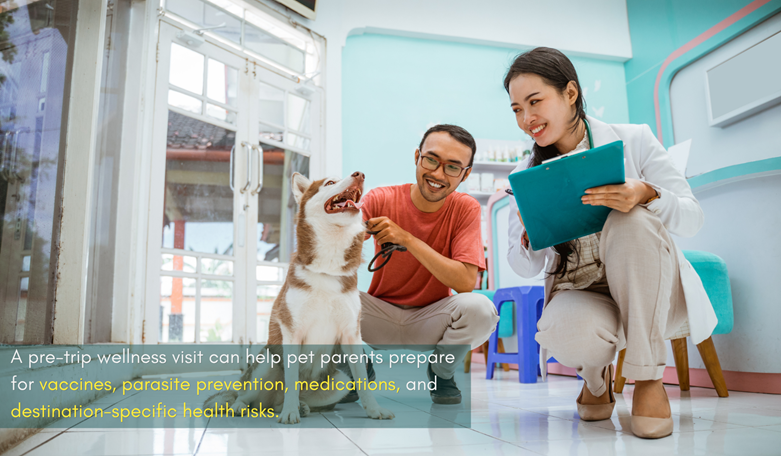
The best clinic for a preventive check depends on where you live, where you are traveling, and what kind of care your pet may need.
Some services are ideal for wellness and urgent concerns, while others are better for after-hours emergencies. Here are five veterinary care options worth knowing before planning a pet-friendly summer trip.
1. Sploot Veterinary Care
Sploot Veterinary Care is a strong first choice for pet parents traveling through or living near Denver, Chicago, Colorado Springs, and Salt Lake City.
Its biggest advantage is the way it brings primary care and urgent care together, making it useful for both preventive checks before a trip and sudden concerns that come up during summer travel.
For pet parents, that “one roof” model matters. You may need a wellness exam, vaccines, parasite prevention, diagnostics, dental care, or a same-day sick visit without wanting to bounce between a regular clinic and an emergency hospital.
Sploot is designed around accessible care, with modern clinics, easy booking, same-day or next-day appointments, and extended availability.
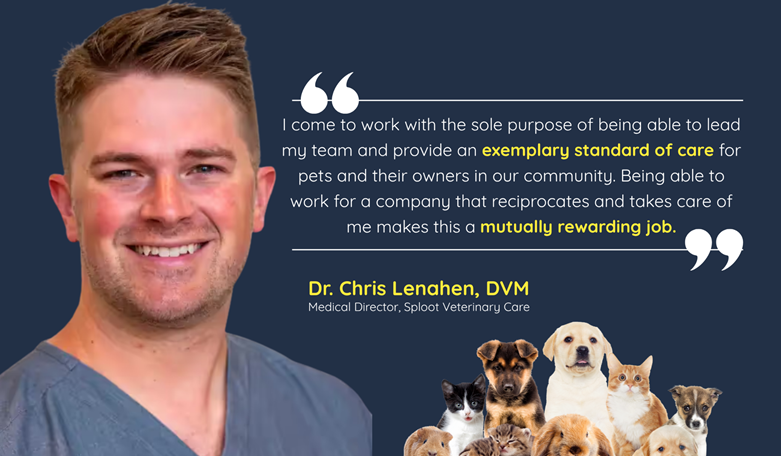
This makes it especially helpful for summer travelers who want to handle a preventive check before leaving or need quick support while passing through one of its metro areas.
A dog with an ear infection before a lake trip, a cat with appetite changes before a long drive, or a pet needing updated vaccines before boarding may all benefit from a clinic that can handle both routine and urgent needs.
The clinic is also well suited to pet parents who prefer a more modern, tech-enabled experience. Sploot’s Denver vet hospital for urgent care is designed to make both preventive and urgent access easier for traveling pet parents, with accessible scheduling, same-day or next-day availability, and a team that can help pets stay healthy before summer trips.
Having records, reminders, booking, and care access organized more conveniently can be useful when you are already juggling travel plans, hotel policies, packing lists, and route stops.
Best for: preventive wellness exams, same-day concerns, summer travel prep, urgent but non-life-threatening symptoms, and pet parents traveling through Colorado, Chicago, or Salt Lake City.
2. Five Points Animal Hospital
Five Points Animal Hospital can be a helpful option for pet parents staying near RiNo, Five Points, downtown Denver, or nearby neighborhoods. The clinic offers same-day and next-day urgent care for non-emergency issues that need prompt attention.
For travelers, location can matter. If your pet suddenly starts limping, refuses food, develops eye redness, has stomach issues, or seems unusually lethargic, having a nearby urgent care option can reduce stress.
Five Points Animal Hospital lists urgent care needs such as vomiting, diarrhea, appetite changes, limping, injuries, eye redness, minor toxin or object ingestion, breathing irregularities, lethargy, and sudden behavior changes.
This makes it a practical clinic to save if your Denver trip includes city stays, brewery patios, dog-friendly neighborhoods, or downtown accommodations.
Best for: urban Denver travelers, same-day urgent concerns, limping, appetite changes, eye irritation, vomiting, diarrhea, and sudden behavior changes.
3. UrgentVet
UrgentVet is designed for the middle ground between a regular veterinary appointment and a full emergency hospital. That makes it especially relevant for summer travel, when pets can suddenly develop problems that feel too concerning to wait but may not require intensive emergency care.
The service has locations across multiple states, and many clinics allow pet parents to save a spot online.
For travelers, that can be a major stress reducer. Instead of searching frantically for help after your dog eats something questionable at a rental house or your cat develops sudden stomach upset during a road trip, you can look for the nearest UrgentVet and check availability.
UrgentVet is often a fit for non-life-threatening issues such as mild wounds, limping, vomiting, diarrhea, skin irritation, ear problems, or other concerns that need timely evaluation. It is not a replacement for a full emergency hospital if your pet is having trouble breathing, collapsing, bleeding heavily, having seizures, or showing severe distress.
Best for: after-hours urgent care, non-life-threatening illness or injury, and travelers who need a practical alternative when their regular vet is unavailable.
4. CityVet
CityVet can be a good option for pet parents looking for a broader pet care experience in select U.S. markets. Many CityVet locations offer veterinary care, preventive services, dental care, surgery, pharmacy access, grooming, and in some locations, urgent care.
For travelers, CityVet is useful because summer pet needs are not always dramatic emergencies.
Sometimes you simply need a wellness check before a trip, updated vaccines, parasite prevention, help with a skin flare-up, or advice before boarding.
In other cases, a pet may develop a sudden but manageable concern while away from home, and a CityVet location with urgent care access may be able to help.
The convenience factor is also worth noting. Some locations combine medical care with grooming, boarding, or pet supplies, which can be helpful for families managing multiple pet travel needs at once.
Best for: preventive care, wellness exams, pharmacy support, grooming-related health checks, and urgent care at select locations.
Bonus Emergency Option: VEG Denver
For true emergencies, the Veterinary Emergency Group, also known as VEG, is worth saving before your trip. VEG Denver is a 24-hour emergency vet hospital on E. Colfax Avenue and accepts walk-ins without appointments.
This is not the place for a routine wellness check or simple travel prep visit. It is the kind of option to keep in mind if your pet has severe symptoms such as collapse, trouble breathing, seizures, major trauma, heatstroke signs, uncontrolled bleeding, or serious toxin exposure.
Having a 24-hour emergency vet saved on your phone can make a major difference if something happens late at night, on a weekend, or after regular clinic hours.
Best for: true emergencies, 24-hour care, severe symptoms, walk-in emergency visits, and after-hours situations.
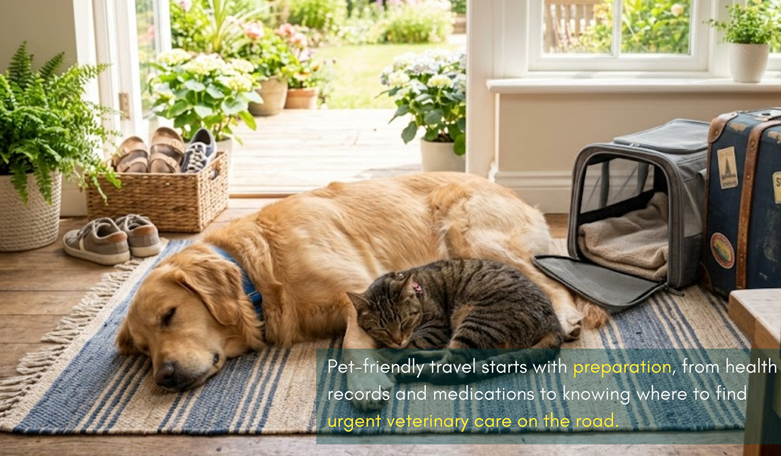
Pet Travel Tips Before You Go
Before any pet-friendly summer trip, make a quick checklist so your pet’s health essentials are easy to access:
- Save your pet’s vaccine records on your phone.
- Note all medication names, dosages, and schedules.
- Keep your pet’s microchip number and registration details handy.
- Save your regular veterinarian’s contact information.
- Add pet insurance details, if you have coverage.
- Look up the nearest veterinary clinic near your destination.
- Save the closest emergency animal hospital for after-hours concerns.
- Pack any regular medications, supplements, flea/tick prevention, and prescription food.
- Carry familiar items, such as a blanket, toy, or travel bowl, to reduce stress.
A preventive check before travel may feel like one more task on the packing list, but it can make the entire trip easier and calmer.
When you know your pet is protected, prepared, and healthy enough for the journey, you can spend less time worrying and more time enjoying summer together.

