

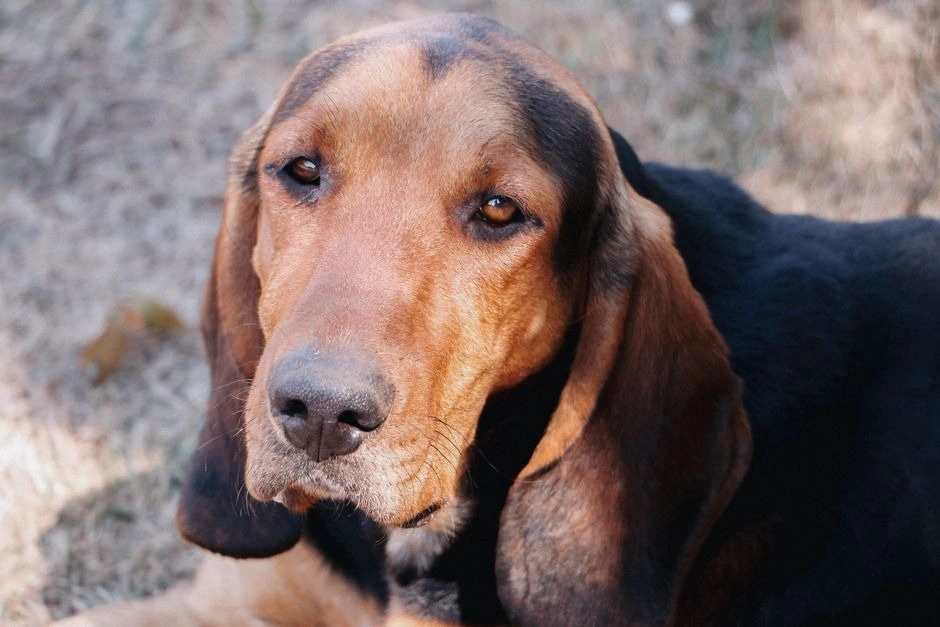
The world of hound dog breeds is as diverse as it is captivating. From the keen-nosed Beagle to the swift Greyhound, these dogs are celebrated for their strong instincts and unique personalities. However, these very traits that make them so special also present distinct considerations for owners, especially when it comes to training.
In this extensive guide, we will explore what defines a hound, delving into the fascinating differences between scent hounds and sighthounds. We’ll examine their common characteristics, unique vocalizations, and specific needs for exercise and grooming. We believe that successful training for these intelligent and independent dogs often hinges on an approach that respects their individual nature. This is why personalized dog training is so vital for hound breeds.
Join us as we uncover the history, temperament, and care requirements of various hound dog breeds, offering insights to help you find the right companion and nurture their full potential.
Table of Contents
Scent hounds, as their name suggests, rely on their extraordinary sense of smell to follow a trail. Breeds like the Beagle, Bloodhound, and Basset Hound possess an unparalleled olfactory ability, allowing them to track scents over long distances and often challenging terrains meticulously. Their bodies are typically built for endurance rather than speed, with sturdy frames, often long, droopy ears to funnel scents, and powerful vocalizations to communicate with their pack and handlers. The Scent Hound from the Save Valley (Posavski Gonič), for instance, has a history dating back to 1474, indigenous to Croatia’s densely wooded areas, where its sonorous voice and enthusiastic hunting nature were highly prized for tracking hare and fox. Similarly, the Serbian Hound, known as the Balkan scent hound until 1996, has historical records from 1005, showcasing its ancient lineage and tenacity in tracking.
Sighthounds, on the other hand, are built for speed and agility. They hunt by sight, spotting their quarry from a distance and then giving chase with incredible bursts of speed. Breeds such as the Greyhound, Afghan Hound, and Saluki exemplify this type, characterized by lean, athletic builds, deep chests, long legs, and keen eyesight. They are often quiet hunters, relying on their phenomenal speed to run down prey. The Borzoi, originally Russian Wolfhounds, are another prime example, known for their elegant appearance and ability to chase down large game. The Azawakh and Sloughi are also sighthounds, originating from the Sahara and known for their extreme athleticism and independent nature.
Then some breeds blur these lines, like the Pharaoh Hound. Originating from Malta, this breed is classified by the FCI in Group 5 (Spitz and primitive types), Section 6 (Primitive type), rather than the traditional hound groups. Yet, it is an alert, keen hunter that utilizes both scent and sight, and even its ears to a marked degree when working closely with prey.
The ancestral hunting traits of all hounds mean they possess a high prey drive and often phenomenal stamina. Whether it’s the Bloodhound’s unmatched ability to track a scent for miles or the Greyhound’s explosive speed, these instincts are deeply ingrained. Understanding this history is paramount for any owner. For example, the Hungarian Hound (Erdélyi Kopó), a breed that was nearly extinct at the beginning of the 20th century, was historically used by medieval aristocracy to hunt big game like bears and wild boars.
This diversity means that while all hounds are hunters at heart, their specific methods and physical attributes vary significantly.
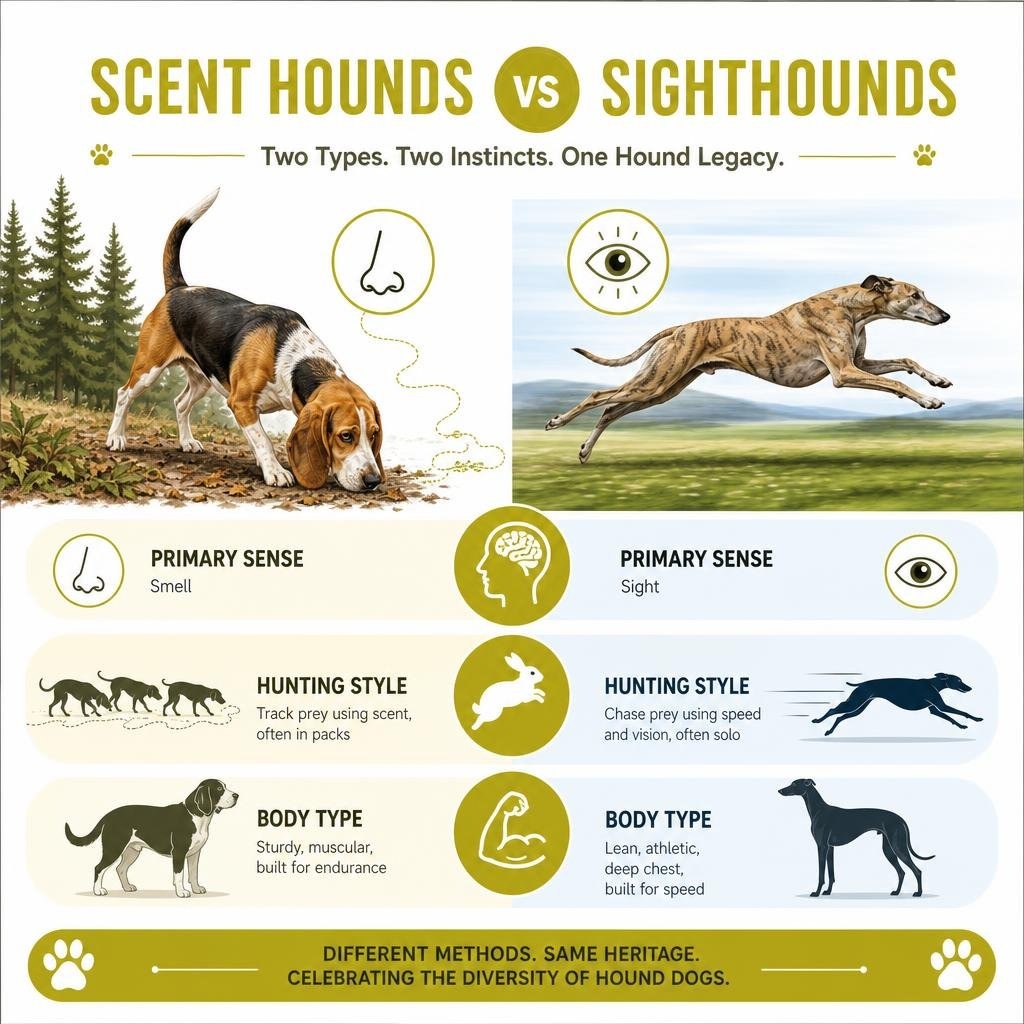
Characteristic Scent Hounds Sighthounds Primary Sense Smell Sight Hunting Style Track prey using scent, often in packs Chase prey using speed and vision, often solo Body Type Sturdy, muscular, built for endurance Lean, athletic, deep chest, built for speed Vocalizations Known for baying, howling, and distinct calls Generally quiet, less vocal Ear Type Often long, droopy ears Typically short, rose, or semi-prick ears Prey Drive High, focused on tracking scents High, focused on chasing moving objects Examples Beagle, Basset Hound, Bloodhound, Foxhound Greyhound, Afghan Hound, Saluki, Whippet, Borzoi Why Hound Dog Breeds Require Personalized Dog Training Programs
The very instincts that make hound dogs so fascinating also present unique challenges in training. Their independent nature and often stubborn streaks mean that a one-size-fits-all approach to dog training rarely yields the best results. Hounds were bred to make decisions in the field, often at a distance from their handler, which translates into a strong will and a tendency to follow their nose or eyes over a command.
This independence, coupled with their high prey drive, necessitates a training methodology that is not only consistent but also highly motivating. Traditional obedience methods, which might work for other breeds, can often fall flat with a hound. They respond exceptionally well to positive reinforcement, especially when high-value rewards are involved. A piece of cheese might be more compelling than a kibble for a hound whose nose is already captivated by an interesting scent. We find that understanding these intrinsic motivators is key to unlocking their potential.
This is where the value of a tailored approach becomes evident. A personalized dog training program can be designed to specifically address the unique behavioral patterns and instincts of your hound. Instead of trying to suppress their natural drives, effective training channels them into desirable behaviors. For example, a scent hound’s tracking ability can be honed for engaging scent work games,
When we work with hound owners, our focus is on building a strong, trusting relationship through clear communication and positive reinforcement. This means understanding why a hound might be exhibiting certain behaviors—is it boredom, an unmet instinctual need, or simply a lack of understanding of what’s expected? By addressing the root cause and providing appropriate outlets, we can transform potential challenges into opportunities for growth and bonding. A truly effective training strategy for these breeds involves more than just teaching commands; it’s about understanding their “language” and fostering their inherent intelligence in a way that respects their heritage.
Tailoring Training to Specific Hound Characteristics and Vocalizations
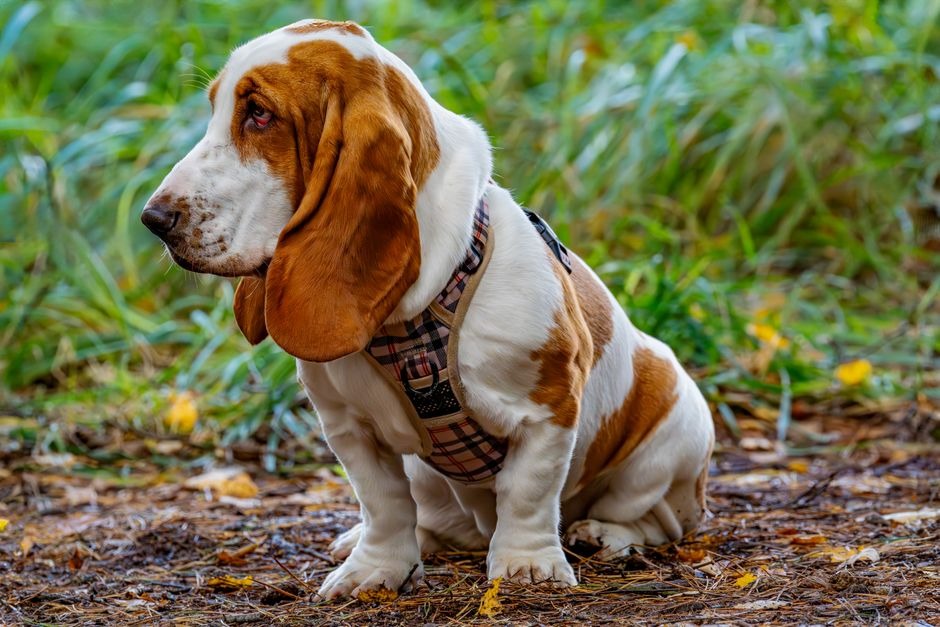
One of the most distinctive traits of many hound dog breeds is their vocalizations, particularly baying and howling. These aren’t just random noises; they are deeply ingrained forms of communication used during hunting to alert the pack or handler. While some owners find the deep, resonant bay of a Basset Hound or the enthusiastic howl of a Beagle charming, it can be a significant challenge in residential settings. As one source noted, it’s highly recommended to “sample the baying sound before you decide to get a hound of your own” to ensure it’s a sound you can live with.
Training for vocalizations involves understanding the triggers. Is your hound baying out of boredom, anxiety, or simply because they’ve caught an interesting scent? Personalized training can help identify these triggers and implement strategies such as desensitization, teaching a “quiet” command, and ensuring adequate mental and physical stimulation to reduce excessive vocalization. For hounds, whose baying can be quite loud and prolonged, early intervention and consistent training are crucial.
Exercise needs vary significantly between hound types. Scent hounds often require consistent, moderate exercise that allows them to engage their noses. Long, leisurely walks where they can sniff and explore are often more satisfying than high-speed runs. However, their endurance means they can go for miles, so a secure, fenced area is a must. Sighthounds, conversely, need opportunities for intense bursts of speed. A large, securely fenced yard or regular access to a safe, enclosed area for off-leash running is vital to satisfy their need to gallop. Without proper outlets, both types of hounds can become bored, leading to destructive behaviors.
Regarding hypoallergenic or low-shedding breeds, the options within the hound group are limited. The Basenji is often cited as a low-shedding, “barkless” dog, making it a unique choice for those with mild allergies or a preference for quiet. While no dog is truly 100% hypoallergenic, the Basenji’s fine, short coat produces less dander than many other breeds. The Afghan Hound, despite its long coat, is sometimes considered lower-shedding than other long-haired breeds, but still requires extensive grooming.
Frequently Asked Questions about Hound Dog Training
What are the best personalized dog training programs for high-prey-drive hounds?
For hounds with a strong prey drive, the most effective personalized dog training programs focus on redirection, impulse control, and providing appropriate outlets for their instincts. We recommend incorporating activities like lure coursing for sighthounds, which allows them to safely chase a mechanical lure, satisfying their natural urge to run down quarry. For scent hounds, structured scent work, nose work games, or even competitive tracking can be incredibly fulfilling, channeling their powerful sense of smell into a constructive activity.
Mental stimulation is just as important as physical exercise. Puzzle toys, interactive feeders, and learning new tricks can help tire out a hound’s mind. Crucially, recall training must be exceptionally strong for high-prey-drive hounds.
How do personalized dog training programs address hound dog baying and howling?
Addressing baying and howling in hounds requires a multi-faceted, personalized approach. First, we need to understand the root cause: Is it boredom, separation anxiety, territoriality, or simply an instinctual response to a perceived “trail”? Once identified, a personalized plan can be developed.
Teaching a “quiet” command is also vital. This involves rewarding your hound when they are quiet, and then gradually introducing a trigger, asking for “quiet,” and rewarding compliance. Consistency is key, and every member of the household must be on board. For hounds, whose vocalizations are often a part of their communication, the goal isn’t necessarily to eliminate all sound, but to manage and reduce excessive or inappropriate barking habits, ensuring a more peaceful home environment.
Which hound dog breeds are easiest to train for first-time owners?
While many hound breeds are known for their independence, some are generally considered more adaptable and potentially easier for first-time owners, especially with the right guidance. The Beagle is often cited as a good choice due to its friendly, outgoing nature and manageable size. They are social dogs, typically good with children and other pets, though their strong scent drive requires a secure yard and diligent leash training.
“Easy to train” is relative. Even these more popular and seemingly adaptable breeds will benefit immensely from personalized guidance that understands their specific hound characteristics. While they may be more amenable to family life than, say, a Bloodhound or a highly specialized sighthound, they still possess those innate hound instincts that need to be understood, respected, and channeled appropriately for a harmonious life together.
Conclusion
The journey of welcoming a hound dog breed into your life is one filled with unique joys and rewarding challenges. These dogs, with their ancient instincts and diverse personalities, offer companionship unlike any other. From the tireless tracking of scent hounds to the breathtaking speed of sighthounds, each breed brings a rich history and a specific set of needs to the family dynamic.
As we’ve explored, understanding their ancestral purpose—whether it was hunting in packs across vast plains or silently chasing prey through dense forests—is the cornerstone of successful ownership. This insight allows us to appreciate their independent nature, their powerful vocalizations, and their unwavering prey drive, not as flaws, but as integral parts of who they are.
Successful training for these intelligent and independent dogs often hinges on an approach that respects their individual nature. By investing in a training philosophy that understands and caters to their distinctive characteristics, you’re not just teaching commands; you’re building a relationship based on mutual respect and understanding, helping your hound dog thrive in the modern world.

