

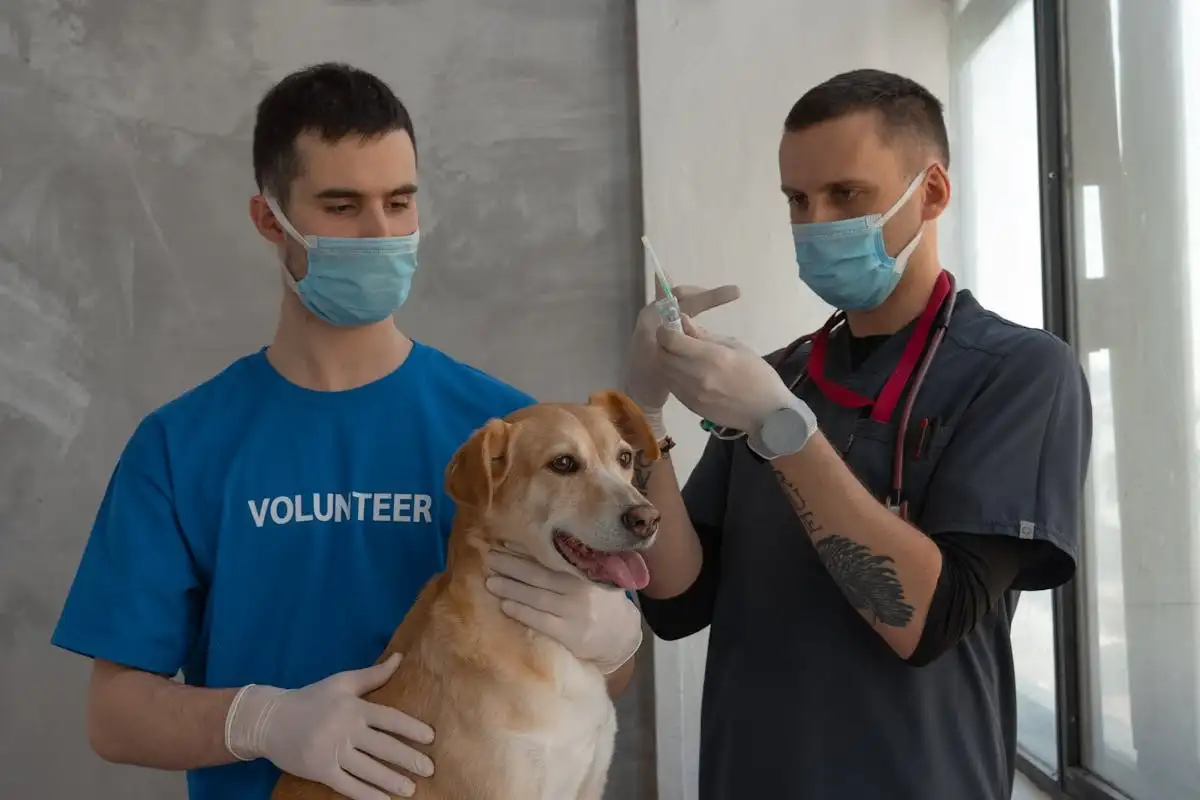
The clock starts ticking the moment your pet shows signs of distress — and in Reno’s high-altitude environment, where respiratory issues can escalate rapidly and dehydration occurs faster than at sea level, those minutes often determine the difference between full recovery and permanent damage. As veterinary emergency medicine becomes increasingly sophisticated, with capabilities ranging from advanced imaging to emergency surgery, pet owners face a critical knowledge gap: recognizing when their animal needs immediate professional intervention versus when they can safely monitor at home.
For Reno’s 250,000+ residents and their pets, this decision carries particular weight. The city’s elevation of 4,500 feet above sea level creates unique physiological stresses that can complicate common conditions, while the nearest major veterinary specialty centers may be hours away during severe weather. Understanding the mechanics of veterinary emergencies — from the initial triage process to the intensive care protocols that save lives — empowers pet owners to act decisively when their animal’s health hangs in the balance.
What follows is a practical guide through the landscape of emergency veterinary care, from recognizing the subtle signs that demand immediate attention to navigating the complex decisions that arise during crisis treatment.
Table of Contents
Why Quick Response Is Critical in Pet Emergencies
Time operates differently in veterinary emergencies than in human medicine, largely because animals instinctively hide pain and illness until they’re critically compromised. By the time most pets display obvious distress, their condition has often progressed beyond the early intervention window where treatment is most effective and least invasive. This biological reality, combined with Reno’s environmental factors, creates a compressed timeline for decision-making that catches many pet owners unprepared.
Reno’s high-altitude environment compounds this urgency in several ways. The reduced oxygen availability at 4,500 feet means that pets with respiratory conditions — from asthma to heart disease — decompensate more quickly than they would at lower elevations. Dogs with brachycephalic (flat-faced) breeds like bulldogs or pugs face particular risk, as their already-compromised airways struggle more in thin air. Similarly, the arid climate accelerates dehydration, turning what might be a manageable gastrointestinal upset into a life-threatening electrolyte imbalance within hours.
The “golden hour” concept in emergency veterinary medicine refers to that critical first 60 minutes when intervention can prevent organ failure and improve long-term outcomes. For conditions like gastric dilatation-volvulus (bloat), this window is even narrower — dogs can die within 30 minutes if the twisted stomach isn’t surgically corrected. Heat stroke, common during Reno’s summer months, can cause irreversible brain damage within minutes if the pet’s core temperature isn’t rapidly reduced through professional cooling techniques.
Consider a scenario many Reno pet owners face: a dog returns from a hike in the Sierra foothills acting lethargic and refusing dinner. In the thin mountain air, what appears to be simple fatigue could actually be altitude-related respiratory distress or early heat exhaustion. The pet owner who waits until morning to assess the situation may find their animal in respiratory failure, requiring emergency intubation and oxygen therapy that could have been avoided with earlier intervention.
Weather patterns unique to the Great Basin also create seasonal emergency spikes that strain local veterinary resources. During winter storms, when Interstate 80 closes and isolates Reno from California’s emergency specialty centers, the city’s emergency clinics must handle cases that might otherwise be transferred to larger facilities. This reality makes rapid response even more crucial, as treatment options may be limited for several days during severe weather events.
How Emergency Veterinary Care Works in Reno
Emergency veterinary clinics operate on a triage system fundamentally different from regular veterinary appointments, prioritizing cases based on life-threatening potential rather than arrival time. When a pet enters an emergency facility, trained veterinary technicians conduct an initial assessment using standardized protocols that evaluate respiratory status, cardiovascular function, neurological response, and pain levels. This process, typically completed within five to ten minutes, determines whether the animal requires immediate intervention or can safely wait for the next available examination room.
The physical capabilities of emergency veterinary facilities exceed those of most general practice clinics, with equipment designed for critical care intervention. Digital radiography systems provide immediate imaging for suspected bloat, foreign body obstructions, or traumatic injuries. Emergency vet services in Reno typically include advanced capabilities like ultrasound-guided fluid drainage, emergency blood transfusion protocols, and surgical suites equipped for procedures ranging from foreign body removal to complex orthopedic repairs. These facilities maintain stocks of type-specific blood products and can perform crossmatching for transfusions within an hour — capabilities that can save pets suffering from severe anemia or blood loss.
The clinical staff structure in emergency veterinary medicine reflects the intensity of the work. Emergency veterinarians complete specialized training beyond general practice, focusing on trauma management, critical care pharmacology, and emergency surgical techniques. Veterinary technicians in these settings often hold advanced certifications in areas like anesthesia monitoring and emergency nursing. This specialized knowledge becomes crucial during complex cases where multiple organ systems require simultaneous support.
Unlike routine veterinary visits, emergency care often involves continuous monitoring and adjustment of treatment protocols. A pet with severe dehydration might require hourly electrolyte monitoring and IV fluid rate adjustments. Animals under anesthesia for emergency surgery receive constant cardiovascular and respiratory monitoring, with technicians trained to detect subtle changes that might indicate complications. This intensive approach explains why emergency veterinary care operates with higher staffing ratios and more sophisticated monitoring equipment than routine practices.
The diagnostic approach in emergency settings prioritizes rapid rule-out of life-threatening conditions over comprehensive health assessments. Blood work focuses on organ function, electrolyte balance, and infection markers rather than routine wellness parameters. Imaging targets specific suspected conditions — abdominal ultrasound for pets with vomiting, thoracic radiographs for respiratory distress cases. This focused methodology allows emergency veterinarians to quickly identify and treat critical conditions while avoiding unnecessary procedures that could delay essential interventions.
Common Signs and Emergencies Requiring Immediate Care
Recognizing the difference between concerning symptoms and true emergencies requires understanding how pets express distress differently than humans. While some conditions present dramatically — such as the obvious distension and restlessness of gastric bloat — others manifest through subtle behavioral changes that untrained observers might dismiss as normal variation.
Respiratory emergencies often begin with changes in breathing pattern rather than obvious distress. A dog that suddenly prefers to lie on hard surfaces instead of soft bedding may be positioning itself to maximize chest expansion due to breathing difficulties. Cats experiencing respiratory distress often sit in a hunched position with their elbows away from their body, a posture that opens their chest cavity for easier breathing. Open-mouth breathing in cats represents a particularly serious emergency, as cats rarely pant unless they’re severely compromised or stressed.
Gastrointestinal emergencies encompass more than simple vomiting or diarrhea. The key warning signs include non-productive retching (attempting to vomit without producing material), which can indicate gastric bloat, especially in large-breed dogs. Bloody diarrhea combined with lethargy suggests possible intestinal bleeding or severe inflammatory conditions requiring immediate intervention. Foreign body ingestion — common in puppies and curious cats — may initially cause only mild discomfort but can progress to complete intestinal obstruction within hours.
Neurological symptoms demand immediate attention due to their potential for rapid progression. Seizures lasting longer than five minutes, or multiple seizures within a short period, can cause brain damage if not controlled with anticonvulsant medications. Head tilting, loss of balance, or sudden changes in coordination might indicate inner ear problems, brain inflammation, or toxic exposure. Even subtle changes like disorientation or unusual behavior patterns can signal serious neurological conditions requiring emergency diagnostic workup.
Trauma cases present obvious external injuries but also hidden internal damage that may not manifest immediately. A cat that falls from a window might appear uninjured but could have internal bleeding or pneumothorax (collapsed lung) that develops over several hours. Dogs hit by vehicles often experience delayed symptoms as adrenaline masks pain and internal injuries progress. The general rule in trauma cases involves professional evaluation even when the pet appears normal, as internal injuries frequently worsen without intervention.
Toxicity emergencies vary dramatically in their presentation depending on the substance involved. Chocolate ingestion in dogs typically causes hyperactivity and vomiting, but can progress to seizures and cardiac arrhythmias. Antifreeze poisoning initially resembles intoxication, with pets appearing disoriented or unsteady, but rapidly progresses to kidney failure if not treated within hours. Household medications like ibuprofen or acetaminophen can cause stomach ulceration or liver failure, often with minimal initial symptoms.
Also Read: Common Dog Behavior Problems and How Training Can Help
What to Expect During and After an Emergency Vet Visit
The emergency veterinary process begins with triage assessment and continues through stabilization, diagnostic workup, and treatment planning. Understanding this sequence helps pet owners navigate what can feel like a chaotic and frightening experience while making informed decisions about their animal’s care.
How Emergency Vets Stabilize and Treat Critical Pets
Stabilization protocols in emergency veterinary medicine follow established algorithms designed to address life-threatening conditions systematically. The primary survey focuses on airway, breathing, and circulation — ensuring the pet can breathe effectively, has adequate oxygen delivery, and maintains blood pressure sufficient for organ function. Pets in respiratory distress receive immediate oxygen supplementation through face masks, nasal cannulas, or in severe cases, emergency intubation and mechanical ventilation.
Cardiovascular support often requires rapid IV catheter placement and fluid therapy tailored to the specific emergency. Dehydrated pets receive isotonic fluids at calculated rates based on their degree of fluid loss and ongoing losses. Animals in shock require pressurized fluid administration and sometimes blood pressure support medications. Emergency surgery cases receive pre-anesthetic cardiovascular assessment and monitoring throughout the procedure, with anesthesia protocols adjusted for their compromised status.
Pain management in emergency settings balances effective relief with the need to maintain consciousness for ongoing assessment. Multi-modal approaches combine different medication classes — opioids for severe pain, anti-inflammatory drugs for tissue inflammation, and local anesthetics for surgical procedures. Emergency veterinarians monitor pets closely for medication side effects, particularly respiratory depression from opioid medications or gastrointestinal upset from anti-inflammatory drugs.
Diagnostic procedures in emergency settings prioritize speed and clinical relevance. Blood work typically includes complete blood count to assess for anemia or infection, chemistry panels to evaluate organ function, and electrolyte measurements to guide fluid therapy. Advanced imaging like CT scans or ultrasound-guided procedures may be necessary for complex cases, but emergency veterinarians balance diagnostic thoroughness with the need for rapid intervention.
Also Read :5 Best Salmon-Based Dog Foods for Skin and Coat in 2026
Post-Emergency Care and Follow-Up Expectations
Recovery from emergency veterinary treatment often involves a transition from intensive monitoring to home care, with specific protocols designed to prevent complications and ensure continued healing. Hospitalized pets typically receive frequent vital sign monitoring, pain assessment, and adjustment of medications based on their response to treatment. Discharge planning begins early, with veterinary staff educating owners about medication administration, activity restrictions, and warning signs that might indicate complications.
Home care instructions following emergency treatment tend to be more detailed and specific than routine veterinary discharge instructions. Pets recovering from surgery require strict activity restriction to prevent incision complications — typically 10 to 14 days of leash walks only for dogs and confined space rest for cats. Medication schedules often involve multiple drugs given at different intervals, requiring careful organization and compliance monitoring.
Follow-up appointments serve multiple purposes beyond simple progress checks. They allow veterinarians to assess healing, adjust pain medications, and detect early signs of complications that might require additional intervention. Many emergency conditions require staged treatment — for example, pets with severe trauma might need initial stabilization followed by orthopedic surgery several days later when they’re stable enough for anesthesia.
The emotional component of emergency veterinary care extends well beyond the immediate crisis. Pet owners often experience anxiety about their animal’s prognosis, guilt about missed warning signs, and stress about financial implications. Emergency veterinary teams typically provide resources for managing these concerns, including realistic expectations about recovery timelines and guidance about when to seek additional help.
Also Read : How Enrichment Toys Help Reduce Stress in Dogs
Preparing for Pet Emergencies and Care Options in Reno
Emergency preparedness for pet owners involves both practical planning and financial considerations that can significantly impact outcomes when crisis strikes. Unlike human emergencies, where insurance and payment protocols are standardized, veterinary emergency care requires upfront financial planning that many pet owners overlook until they’re facing urgent decisions under stress.
Creating a pet emergency plan starts with identifying the nearest 24-hour emergency veterinary facilities and understanding their capabilities. Reno’s emergency veterinary landscape includes both full-service emergency hospitals and urgent care clinics, each serving different types of cases. Full-service emergency facilities handle surgical emergencies, intensive care cases, and complex diagnostics, while urgent care clinics manage less critical conditions during extended hours when regular veterinarians aren’t available.
Financial preparation proves crucial given that emergency veterinary bills often range from hundreds to thousands of dollars, with payment typically required at the time of service. Pet insurance policies vary significantly in their emergency coverage, with some excluding pre-existing conditions and others requiring waiting periods that might not cover recent policy additions. Emergency veterinary facilities usually accept multiple payment options, including veterinary-specific financing programs that offer extended payment terms for qualified applicants.
The geographical reality of living in Nevada affects emergency planning, particularly for pet owners in rural areas surrounding Reno. Severe weather can isolate communities and make emergency veterinary care inaccessible for extended periods. Pet owners in these areas benefit from maintaining emergency supply kits including basic wound care materials, emergency contact information for veterinary advice lines, and arrangements for emergency transportation to veterinary facilities.
Building relationships with veterinary professionals before emergencies occur creates communication channels that prove invaluable during crises. Many veterinarians offer after-hours consultation services for established clients, providing guidance about whether specific symptoms require immediate emergency care or can wait for regular appointment availability. These relationships also facilitate better continuity of care, as emergency veterinarians can consult with the pet’s regular veterinarian about medical history and ongoing treatments.
Understanding the seasonal patterns of veterinary emergencies in Reno helps pet owners anticipate and prevent common problems. Summer months bring increased risks of heat stroke and snake bites during outdoor activities, while winter weather creates hazards from antifreeze exposure and hypothermia. Holiday seasons present unique dangers from toxic foods, decorations, and disrupted routines that can stress pets into medical crises. Proactive awareness of these patterns allows pet owners to take preventive measures and recognize early warning signs when risks are elevated.
Emergency veterinary care represents one of the most stressful experiences pet owners face, but preparation and knowledge transform crisis management from reactive panic into informed decision-making. The investment in understanding these processes — from recognizing early warning signs to navigating post-emergency recovery — pays dividends not just in better outcomes for pets, but in reduced anxiety for the families who love them. As veterinary emergency medicine continues advancing, pet owners who educate themselves about these capabilities position themselves to make the decisions that can save their companion’s life when every minute counts.

