

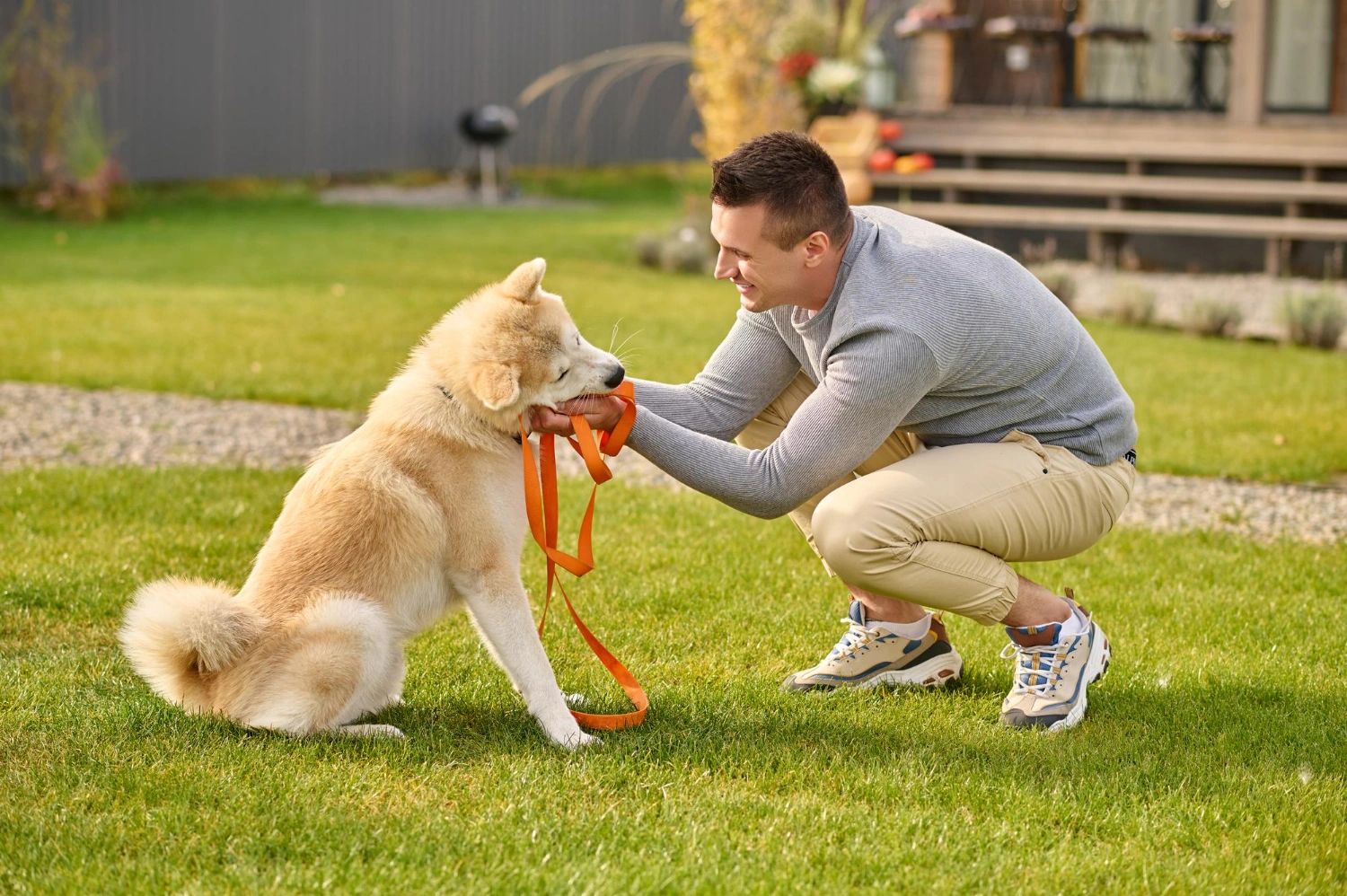
Every dog has its own personality, yet many owners face similar behavior challenges. Understanding why unwanted behaviors occur is the first step toward creating a calmer, more cooperative companion. Structured training can transform frustration into confidence for both dogs and their owners.
Table of Contents
Understanding the Root of Problem Behaviors
Most behavior issues stem from confusion, fear, boredom, or a lack of clear communication. Dogs often repeat actions that bring them attention or relief. Recognizing these triggers helps owners correct habits more effectively and humanely.
Common Triggers of Misbehavior
- Insufficient mental or physical exercise
- Inconsistent rules or unclear expectations
- Anxiety caused by loud noises or separation
- Past experiences that created fear responses
Typical Behavior Problems
Some issues appear more frequently than others. Addressing them early prevents long-term stress and strengthens trust between dog and owner.
Excessive Barking
Barking can indicate excitement, boredom, or alertness. Teaching quiet commands and rewarding calm behavior helps reduce unnecessary noise. Regular walks and interactive toys also release extra energy.
Jumping on People
Many dogs jump to seek attention. Ignoring the jumping and rewarding a sit instead communicates that calm greetings are more rewarding. Consistency from everyone in the household is essential.
Leash Pulling
Pulling often occurs because dogs move faster than their handlers. Training loose-leash walking teaches patience and focus. Using short, frequent sessions reinforces positive habits.
Separation Anxiety
Dogs that panic when left alone may chew, bark, or pace. Gradual desensitization and providing comforting routines can ease their distress. Calm departures and arrivals reduce emotional intensity.
Resource Guarding
Protective behavior over food or toys can escalate if not managed carefully. Teaching trade or drop commands helps dogs trust that giving up an item leads to something better. Professional guidance ensures safety for everyone involved.
Also Read : Why Pet Vaccinations Are Essential for Their Health
How Training Programs Solve These Issues
Structured programs for dog training in Mississauga and dog training in Markham emphasize positive reinforcement, consistency, and communication. Trainers focus on teaching owners how to reward desired behaviors rather than punishing mistakes.
Benefits of Consistent Training
- Improved focus and obedience in daily routines
- Reduced anxiety through predictable structure
- Stronger bond built on trust and mutual respect
- Safer interactions with other dogs and people
Building Confidence Through Learning
When dogs understand what is expected, they feel more secure and cooperative. Training provides mental stimulation that prevents boredom-related issues and offers an outlet for natural instincts.
Maintaining Good Behavior Over Time
Consistency is key to lasting success. Reinforcing commands through short, daily practice sessions keeps skills sharp. Regular play and exercise balance a dog’s energy and maintain emotional well-being.
Encouraging Positive Relationships
Every dog can learn better manners with patience and clear guidance. Training is not only about obedience but also about understanding. By addressing the causes behind behavior, owners create an environment where good habits thrive naturally.

