

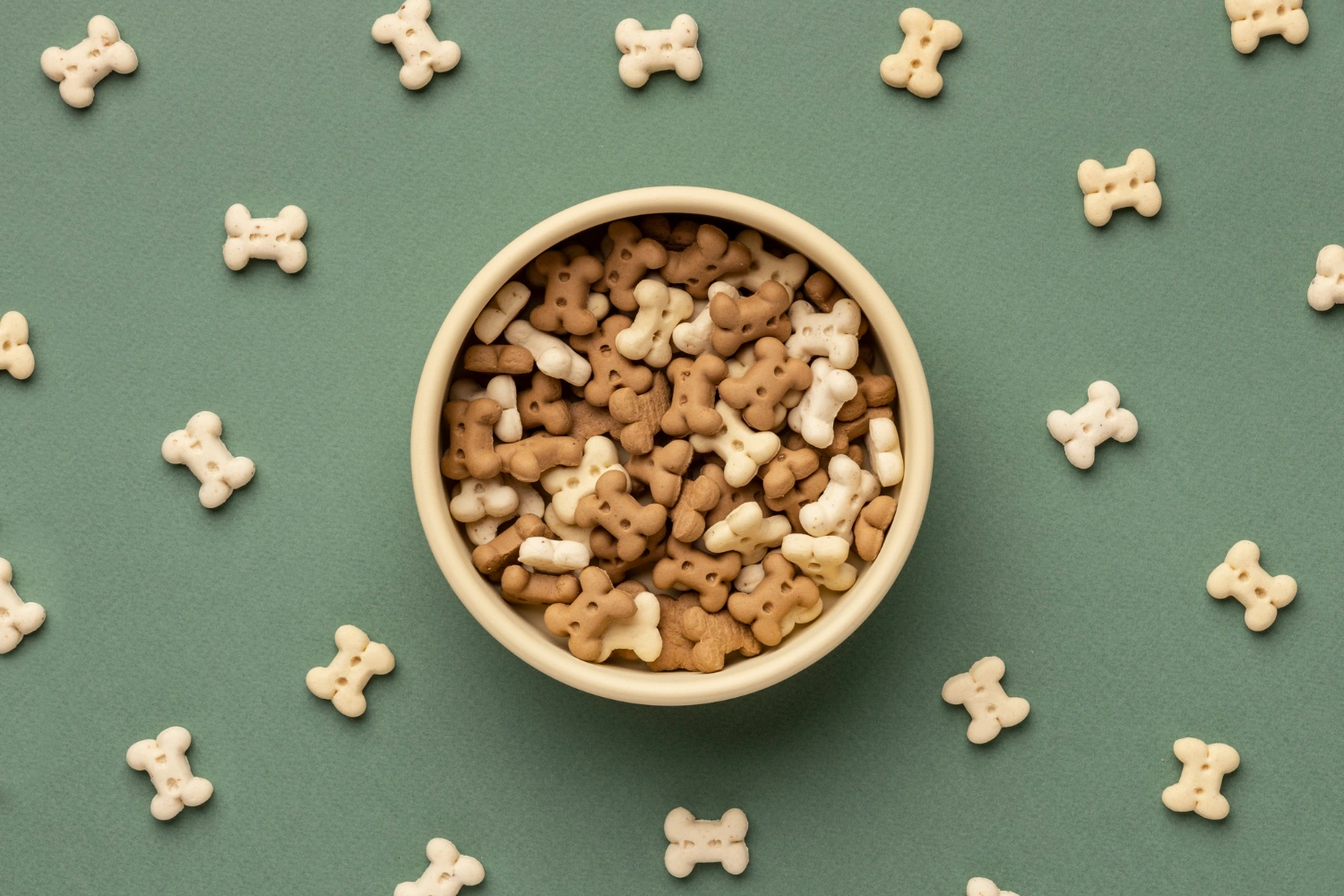
Pet owners across the world are changing how they feed their companion animals. For years, pet treats were treated as simple rewards or occasional snacks. Today, treats serve a much larger purpose in daily pet care routines. Pet owners look for snacks that offer real health benefits, clean ingredients, and clear product labels.
This change stems from a growing cultural trend where pet owners view dogs and cats as true family members. As a result, people want the food and treats they buy for their pets to meet standards similar to human food. They look closely at ingredient lists, check where raw materials come from, and avoid products loaded with artificial additives or mystery fillers.
Table of Contents
Key Drivers Behind the Modern Pet Treat Shift
Several clear factors drive the demand for better pet snacks. Buying habits show that consumers no longer settle for basic reward biscuits. Instead, they look for products that match their personal values around nutrition and wellness.
Here are the main factors driving this market evolution:
- Pet Humanization: Owners treat their pets like children. They want snacks made with natural meat cuts, real fruits, and healthy vegetables.
- Demand for Transparency: Customers want short ingredient lists. They prefer snacks with ingredients they can easily read and recognize.
- Focus on Preventive Health: Rather than waiting for health problems to appear, pet parents use functional snacks to support joint health, coat condition, and digestion early in a pet’s life.
- Rise of Specialty Diets: Allergies and food sensitivities are common in dogs and cats. Single-ingredient snacks help owners manage food sensitivities without triggering bad reactions.
Major Benefits of Clean and Functional Treats
Clean-label pet snacks offer major advantages for both pets and the companies that make them. When snacks remove unnecessary chemicals and add natural nutrients, pets receive clear health support every day.
1. Targeted Health Support
Modern treats often include specific vitamins, minerals, and natural compounds. For instance, treats enriched with glucosamine and chondroitin help support joint mobility in senior dogs. Snacks containing pumpkin or probiotics support smooth digestion, while omega fatty acids from salmon oil promote shiny coats and healthy skin.
2. Reduced Allergy Risks
Many pets develop skin issues or upset stomachs from artificial colors, wheat fillers, or low-quality meat by-products. Single-ingredient treats—such as freeze-dried chicken breast, beef liver, or duck—reduce the risk of digestive irritation. They allow owners to feed high-protein rewards with confidence.
3. Better Taste and High Digestibility
Minimal processing helps retain natural meat flavors and textures. Dogs and cats naturally prefer real meat over heavily processed carbohydrate snacks. Minimally processed treats digest easily, allowing pets to absorb maximum nutrition from every bite.
Industry Challenges Facing Pet Treat Brands
While demand for premium pet snacks is high, running a successful pet treat business comes with real operational hurdles. Brands must balance product quality with supply chain costs and strict health regulations.
Some of the primary challenges include:
- Ingredient Sourcing and Price Fluctuations: Securing steady supplies of high-grade beef, poultry, or novel proteins can be difficult. Prices for quality meats fluctuate based on agricultural conditions.
- Strict Safety and Labeling Rules: Pet treats must follow strict safety standards enforced by food and feed authorities. Products need proper lab testing, precise guaranteed analysis panels, and correct ingredient lists.
- Processing and Shelf-Life Management: Natural snacks without artificial preservatives can spoil if not processed correctly. Preserving shelf stability requires precise dehydration or freeze-drying techniques.
- Manufacturing Capacity: Building a custom production facility requires significant capital investment, specialized machinery, and technical knowledge.
To solve these operational hurdles without high overhead costs, many growing brands partner with a specialized private label pet treat manufacturer. Working with an experienced production partner gives brands access to commercial food safety certifications, established raw material supply chains, and automated packaging equipment. This allows brand owners to focus on marketing and distribution while keeping production quality high and compliant with industry regulations.
Freeze-Dried Raw Snacks
Freeze-drying removes moisture at extremely low temperatures, preserving raw protein structure, taste, and vital nutrients. Pet owners love freeze-dried treats because they offer the nutrition of a raw diet without the inconvenience, mess, or short shelf life of fresh meat.
Functional Chews for Daily Support
Soft chews have become popular as daily health supplements. Owners treat them like daily vitamins, giving their dogs or cats a tasty chew that aids digestive balance or helps ease nervous behavior during storms or travel.
Novel Protein Sources
As pets develop sensitivities to common proteins like chicken or beef, demand for novel proteins continues to rise. Ingredients such as lamb, duck, bison, and venison provide clean options for pets on elimination diets. Alternative options, such as insect protein, are also gaining attention among buyers looking for eco-friendly ingredient choices.
Practical Steps to Bring a Pet Treat Line to Market
Launching or expanding a pet treat brand requires systematic planning. Following a structured roadmap helps protect product quality and ensures market readiness.
- Conduct Market Research: Identify gaps in the market. Determine whether your brand will focus on functional soft chews, single-ingredient meats, or specialized training rewards.
- Finalize Formulations: Create recipes that balance palatability, shelf stability, and nutritional value. Ensure ingredients meet regulatory guidelines for companion animals.
- Establish Quality Control Procedures: Set up strict safety protocols to test raw ingredients and finished goods for pathogens, moisture content, and heavy metals.
- Design Compliant Packaging: Create clear packaging that lists ingredients, feeding guidelines, guaranteed analysis, and contact information accurately.
- Set Up Distribution Channels: Decide whether to sell directly to consumers through an e-commerce website, sell through online marketplaces, or pitch to physical pet boutiques and retail chains.
Also Read : How Pet Food Manufacturers Improve Taste, Scent, and Daily Pet Acceptance
Final Thoughts
The pet treat industry is shifting rapidly toward cleaner formulas, functional health benefits, and total ingredient transparency. Pet parents are more educated than ever, actively seeking snacks that improve their pets’ daily lives and long-term health. Brands that focus on real nutrition, clear labeling, and reliable production standards are best positioned to build lasting customer loyalty.

