

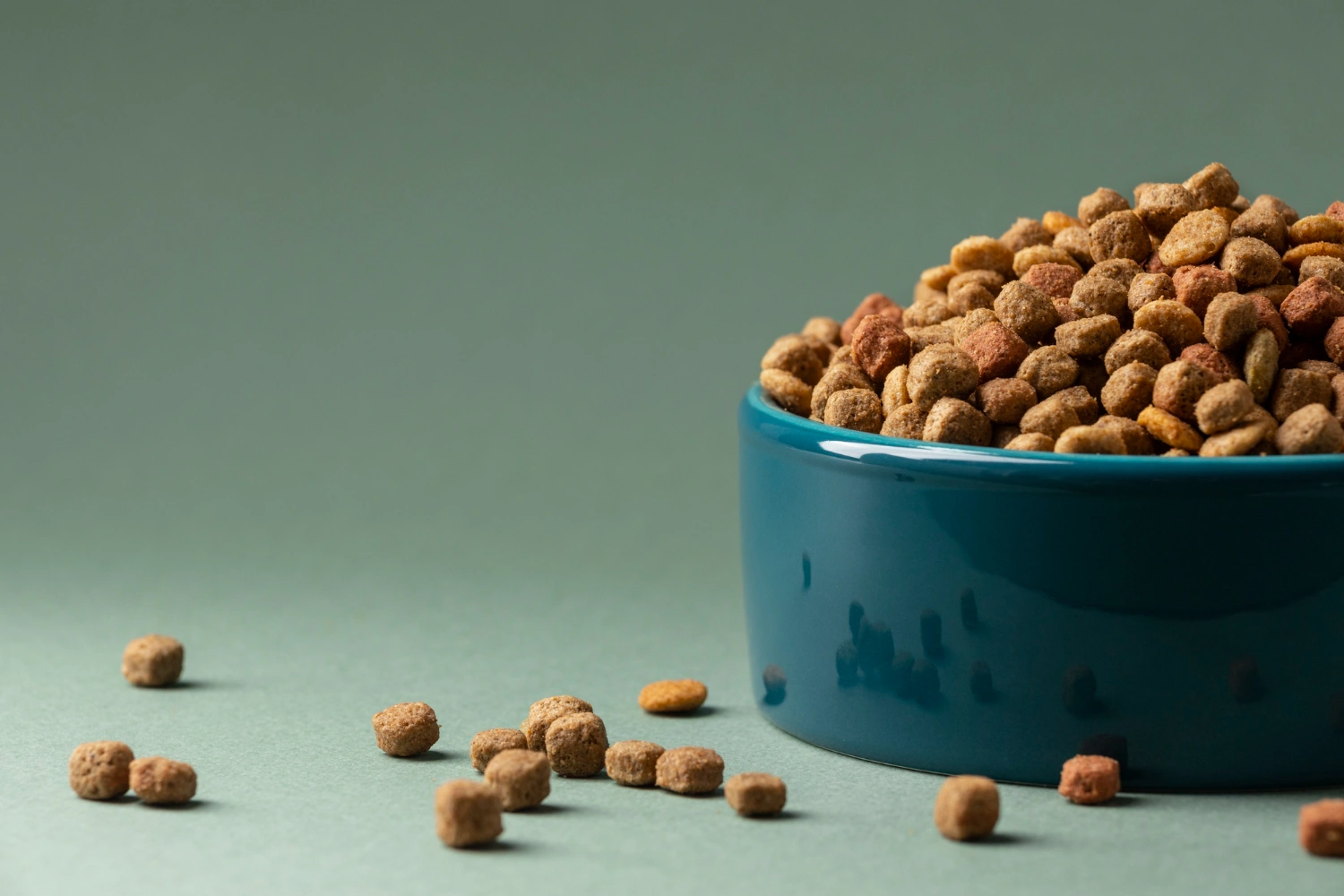
Pet owners often spend significant time picking the healthiest food for their dogs and cats. They look at protein sources, vitamin counts, and ingredient quality. However, even the most nutritional recipe fails if a pet simply refuses to eat it. Dogs and cats rely on distinct sensory cues when approaching a bowl. When a meal lacks the right smell, feel, or flavor, pets walk away, leaving owners frustrated.
For pet food companies, keeping food nutritious while making it appealing to animals presents a constant operational challenge. Modern pet owners demand clean ingredients, grain-free options, alternative proteins, and reduced artificial additives. Yet many of these healthy additions naturally taste bitter, dry, or unappealing to animals. Balancing nutritional standards with strong feeding performance requires a clear understanding of animal biology and food science.
Table of Contents
How Pets Experience Food: Smell, Texture, and Taste
Human beings choose food primarily based on visual appeal and flavor. Pets operate on an entirely different set of sensory priorities. Understanding these differences helps explain why specific formulations succeed or fail.
1. Smell Comes First
Smell is the primary factor in how pets evaluate a meal. Dogs possess up to 300 million olfactory receptors in their noses, compared to roughly 6 million in humans. Cats also rely heavily on scent before taking a single bite.
- If a food does not smell attractive, a pet will rarely taste it.
- Fats, proteins, and moisture levels strongly influence the aroma profile of kibble and canned options.
- Warmth increases aroma release, which is why slightly warmed wet food often appeals to pickier animals.
2. Texture and Mouthfeel Matter
Once a pet decides to taste the food, physical texture takes over as the second deciding factor.
- Dogs: Prefer foods with a satisfying crunch or chewy texture. Kibble density, size, and shape affect how easily a dog can pick up and chew the pieces.
- Cats: Notoriously sensitive to texture changes. Kibble that is too hard, too powdery, or inconsistent in shape can cause a cat to reject the entire batch.
3. Taste Receptors
While humans have around 9,000 taste buds, dogs have about 1,700, and cats have fewer than 500. Cats cannot taste sweetness at all. Instead, both species have strong taste receptors for amino acids (the building blocks of protein), acids, and salts. They seek out savory, meaty flavor notes rather than complex or sweet profiles.
Challenges in Modern Pet Food Formulations
Creating food that tastes good was simpler when manufacturers relied heavily on animal fats and artificial flavorings. Today, changing consumer expectations have made formulation far more complex.
High Inclusion of Alternative Proteins
Plant-based proteins, legume powders, insect meal, and novel meat sources (like novel fish species or bison) are growing in popularity. While these ingredients offer solid nutritional profiles, they can introduce bitter notes or earthy flavors that pets naturally dislike.
Removal of Synthetic Additives
Pet owners increasingly avoid artificial preservatives, synthetic colors, and chemical flavor boosters. Switching to natural preservatives, such as mixed tocopherols (Vitamin E), preserves freshness but does not add the rich scent profiles that synthetic options once provided.
Processing and Heat Treatment
High-temperature processing—like extrusion for dry kibble or canning for wet food—kills harmful bacteria and makes starches digestible. However, high heat can break down delicate natural flavors and aromas. Manufacturers must find ways to restore appealing flavor characteristics after processing is complete.
Aging and Health-Specific Diets
Veterinary diets designed for renal health, weight management, or allergies often require lower fat or lower sodium levels. Reducing fat inherently reduces natural flavor, making it difficult to keep sick or older pets interested in their required diets.
Practical Methods to Improve Acceptance
To overcome these challenges, food scientists apply specialized topical coatings and liquid bases during the production process. Applying flavor coatings after high-heat processing ensures that key taste compounds remain active and strong.
Using proven pet food palatability solutions enables manufacturers to coat dry kibble evenly, creating an immediate, attractive smell as soon as the bag is opened.
Common methods applied during production include:
- Protein Hydrolysates: Proteins broken down into smaller amino acid chains. These offer an intense savory profile that appeals directly to canine and feline taste receptors.
- Liquid Fat Coatings: High-quality poultry fat, tallow, or fish oils applied to the exterior of kibble act as carriers for aroma while adding necessary calories.
- Dry Powdered Coatings: Applied over liquid fat layers to give an immediate burst of flavor upon contact with the pet’s tongue.
- Yeast Extracts: Natural yeast cultures provide a savory “umami” taste without adding excessive sodium.
- Acidifiers: Cats respond strongly to mild acidic coatings, which mimic the natural pH of fresh meat sources.
Key Trends Shaping Pet Food Acceptance
As pet care trends shift toward natural health, manufacturers continue adjusting how they handle food acceptance.
1. Clean Label Acceptance Boosters
Manufacturers are replacing complex chemical compounds with simple, recognizable ingredients. Concentrated bone broths, dried organ meats (like chicken liver powder), and natural yeast extracts deliver high appeal while keeping ingredient lists easy for owners to read.
2. Functional Oil Blends
Fat selection is shifting toward functional oils. Blends containing wild salmon oil, marine algae oil, and sunflower oil provide rich aroma profiles alongside Omega-3 and Omega-6 fatty acids for skin and coat health.
3. Customized Profiles for Life Stages
Puppies, adult dogs, and senior pets have varying dietary needs and taste preferences. Senior pets, which often lose some sense of smell, benefit from stronger aroma profiles to encourage regular eating. Manufacturers now adjust flavor intensity based on the target age group.
How Testing Ensures Consistent Quality
Before a new pet food reaches store shelves, it undergoes standardized feeding trials to confirm that animals will reliably eat it.
- Two-Bowl Contrast Testing: Pets are presented with two bowls side by side for a set period. One bowl contains the test formula; the other contains a benchmark food. Researchers measure which bowl the pet visits first and the total weight of food consumed from each.
- Monadic Testing: A single food option is offered over several days to measure consistent intake over time. This confirms that a pet will not grow tired of the flavor after initial exposure.
- Aroma and Stability Monitoring: Foods are tested over their expected shelf life to ensure fats do not go rancid and aromas do not fade while stored in warehouses or home pantries.
Also Read : Meals for Mutts vs. Vegan Dog Food: Which Is Right for Your Dog
Final Thoughts
Making pet food that balances high nutritional value with strong animal acceptance is a detailed science. Pets do not care about dietary trends or fancy packaging; they respond strictly to smell, texture, and taste. As healthy and novel ingredients become the standard across the industry, maintaining consistent flavor profiles remains essential for manufacturer success.

