

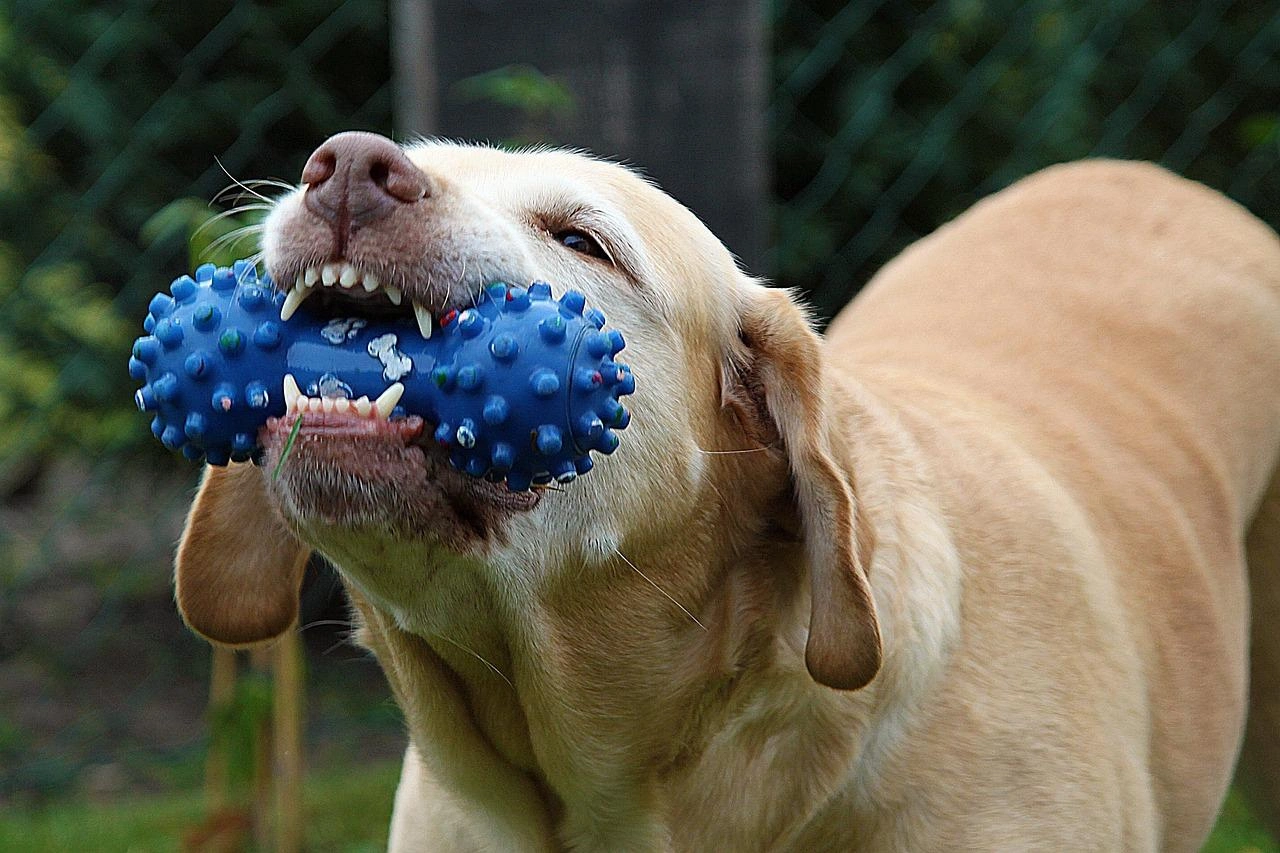
Training a dog on a quiet Sunday in your living room is entirely different from keeping their attention in a bustling urban park or during a ten-hour road trip. When environmental distractions increase, standard kibble loses its value. Pet owners often turn to high-value rewards, such as Chews and Bites, to maintain focus, reinforce positive habits, and ease travel stress.
Recent shifts in animal nutrition highlight a major move away from mass-produced, highly processed snacks toward minimalist alternatives. Choosing natural dog treats for training and travel has become a core strategy for owners who want clean nutrition without compromising on convenience or taste.
Table of Contents
The Shift Toward Simple Animal Protein
For years, commercial pet snacks relied heavily on wheat, corn, soy, and artificial binders to create shelf-stable shapes. While these ingredients lower production costs, they add unnecessary calories and frequently trigger food sensitivities.
Modern canine nutrition focuses on biological appropriateness. Dogs thrive on digestible animal proteins that provide clear physiological benefits without filling their stomachs with empty carbohydrates.
RAW MEAT / ORGAN
│
▼
┌──────────────────────────────┐
│ Low-Heat Dehydration or │ <– Removes moisture without high heat
│ Freeze-Drying │ <– Preserves native nutrients & enzymes
└──────────────┬───────────────┘
│
▼
NUTRIENT-DENSE TREAT
(Long shelf life, no preservatives)
Dehydration and freeze-drying remove water content while preserving native nutrients, raw flavors, and natural aromas. The result is a concentrated reward that appeals strongly to a dog’s olfactory senses, making learning faster and more reliable.
Why Pure Snacks Excel During Skill Building
Effective reward-based practice relies on timing and repetition. If a reward takes twenty seconds to chew, momentum slows down, and the dog loses interest.
┌─────────────────────────────────────────────────────────────────┐
│ TRAINING REWARD MATRIX │
├──────────────────┬──────────────────────┬───────────────────────┤
│ Feature │ High-Value Natural │ Standard Kibble/Starch│
├──────────────────┼──────────────────────┼───────────────────────┤
│ Size │ Small, Bite-Sized │ Medium to Large │
│ Chewing Time │ Rapid (< 2 seconds) │ Slow (5-10 seconds) │
│ Caloric Density │ Low per piece │ High in carbohydrates │
│ Fragrance │ Strong natural meat │ Weak / Artificial │
└──────────────────┴──────────────────────┴───────────────────────┘
1. Rapid Consumption Keeps Momentum High
Small, single-ingredient bites allow for immediate reinforcement. The dog swallows the piece instantly, keeping its focus on you for the next cue.
2. High Value Without GI Distress
Rich, complex snacks with artificial dyes often cause loose stools when delivered in high quantities during a long session. Pure meat proteins are gentle on the digestive tract.
3. Precision Portion Control
Small rewards prevent weight gain. You can reward forty times in a twenty-minute session without exceeding your dog’s daily recommended caloric intake.
Managing Travel Stress and Motion Sickness
Road trips, flights, and unfamiliar hotel rooms introduce novel sounds, scents, and movement patterns. These environmental changes can cause anxiety, panting, and digestive upset.
TRAVEL ENVIRONMENT
(Car movement, engine noise, strange scents)
│
▼
STRESS RESPONSES IN DOGS
(Elevated cortisol, panting, motion discomfort)
│
┌────────────────────┴────────────────────┐
▼ ▼
SHORT-TERM DISTRACTION LONG-TERM CHEWING
(Low-calorie training bites) (Single-ingredient chews)
│ │
▼ ▼
Keeps focus on handler Triggers endorphin release
during stress points Lowers heart rate & anxiety
(loading, security check) (settling in hotel, long rides)
Chewing acts as a biological self-soothing mechanism for canines. The repetitive action releases endorphins in the brain, helping lower heart rates and ease tension.
Providing a durable, single-ingredient chew while resting in a vehicle helps channel nervous energy constructively. It keeps the dog occupied, reduces destructive chewing, and builds a positive association with travel containers and vehicle interiors.
Key Nutritional Benefits of Unprocessed Rewards
Selecting clean snacks directly affects your dog’s long-term health, coat quality, and energy levels.
Zero Artificial Additives
Artificial colors, synthetic flavorings, and chemical preservatives like BHA and BHT have no place in a healthy diet. Unprocessed snacks rely strictly on physical dehydration for shelf stability.
Single-Protein Transparency
If your dog has an intolerance to chicken, beef, or grain, multi-ingredient commercial treats pose a constant risk. Single-ingredient options list one item on the label, making elimination diets simple to manage.
Nutrient Retention
Low-temperature drying techniques protect essential amino acids, fatty acids, vitamins, and minerals that cook out during high-heat extrusion processes.
Practical Handling Tips for Road and Trail
Using real meat rewards on the go requires basic preparation to maintain freshness and prevent mess.
- Use a Dedicated Pouch: Store dry, non-greasy bites in a quick-access belt pouch for precise timing during walks.
- Keep Air Moisture Out: Pack your daily supply in airtight silicone bags to keep rewards crisp and prevent odor transfer into your gear.
- Hydrate Alongside Rewards: Dehydrated meat absorbs moisture during digestion. Always provide fresh water after active work or travel snack sessions.
- Pre-portion Daily Amounts: Divide travel snacks into small daily bags so you never accidentally overfeed while on the road.
Also Read: How Pet Food Manufacturers Improve Taste, Scent, and Daily Pet Acceptance
Final Thoughts
Supporting your dog’s physical health and behavioral growth requires thoughtful choices about what goes into their bowl and training pouch. Moving away from fillers and artificial ingredients ensures every reward provides clear nutritional value alongside motivation.
Whether you are teaching basic manners in your living room or navigating new sights on a cross-country trip, clean meat snacks deliver reliable focus, better digestion, and steady energy. Inspect ingredient labels carefully, choose simple formulations, and keep every working session positive and rewarding.

