

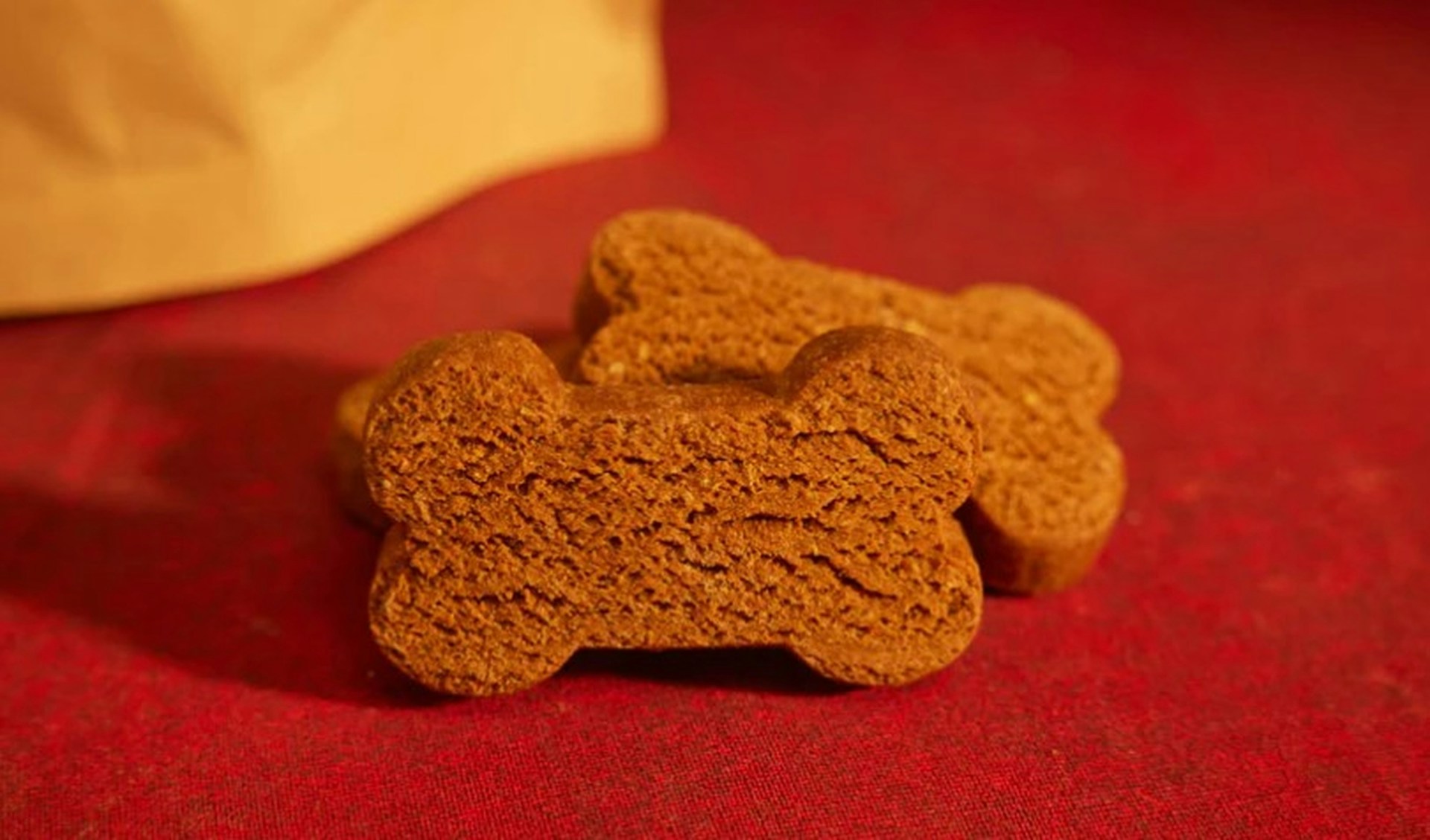
- The best treat depends on a dog’s size, age, health, chewing habits, and the reason for giving it.
- Small, quick-to-eat rewards are usually more practical for training than large or long-lasting snacks.
- Ingredient lists, calorie information, and feeding directions help owners make more informed choices.
- Chews require close supervision because dogs vary in how they bite, break down, and swallow them.
- Treats should complement a dog’s regular diet, not replace a complete daily food plan.
Dog treats can make training clearer, enrich quiet time, and reinforce everyday routines. They also count toward what a dog eats each day, so the right choice depends on the dog and the situation, not simply on the package design or flavor.
For owners looking for ingredient-forward options, healthy dog treats from Joyride’s Kitchen include dehydrated and freeze-dried selections, including single-ingredient choices made with USA-sourced meats. Joyride’s Kitchen is a U.S.-based dog care brand with a collection designed around treats, chews, and veterinarian-formulated freeze-dried food, making it a useful place to compare reward options for dogs across the United States.
Why Treat Choice Matters
A treat can be a reward for coming when called, staying calm during grooming, settling in a crate, or sharing a positive moment with family. Still, most treats are not intended to provide complete and balanced nutrition. The guidance on treats and chews for pets emphasizes that snacks should generally be offered sparingly, since frequent extras can add calories and unbalance an otherwise complete diet.
Match the Treat to Its Purpose
One product does not need to handle every job. Matching texture, size, and portion to the moment makes treats more useful and easier to manage.
For Quick Training Sessions
- Choose tiny pieces that can be swallowed promptly.
- Use a smell and flavor your dog finds motivating.
- Avoid bulky rewards that pause the lesson for extended chewing.
- When practical, reserve some of the dog’s regular food for simple repetitions.
For Calm Enrichment
- Use suitable food in puzzle toys, snuffle mats, or scent games.
- Match the size and texture to the toy’s openings and your dog’s ability.
- Watch new activities until you understand how your dog uses them.
For Everyday Rewards
Keep portions predictable and introduce variety gradually. A dog that does well with one option may not tolerate every new protein, recipe, or texture.
How to Read a Dog Treat Label
Marketing language can be useful, but the package details are where owners can compare products more directly. Start by confirming that the product is made for dogs, then use this quick review process:
- Identify the intended use. Look for whether it is described as a treat, snack, chew, or food.
- Read the ingredients. Note the first ingredients and avoid ingredients that have previously bothered your dog.
- Find calorie information. This matters when rewards are given repeatedly.
- Check feeding and storage directions. Follow the package instructions unless your veterinarian advises otherwise.
- Inspect the package. Do not use products with damaged seals, unusual odors, or signs of spoilage.
Keep Calories in Check
Small treats can accumulate quickly, particularly for small dogs or during active training. Plan treats as part of the day’s food intake rather than treating them as invisible extras. If your dog receives more rewards than usual, consider reducing meal portions only with guidance that fits the dog’s overall diet and health needs.
- Break larger treats into several small pieces.
- Measure the day’s treats before a training session begins.
- Use praise, play, or access to a favorite toy alongside food rewards.
- Ask a veterinarian for help if weight management is a concern.
Choosing Treats for Training
The most exciting reward is not always the most practical one. Effective training treats are easy to carry, quick to eat, and simple to portion. Soft treats, or treats that break apart easily, can keep a session moving without leaving a dog occupied with chewing.
For example, a dog learning to walk on a loose leash may earn many rewards during a single outing. Small pieces allow frequent reinforcement while helping the owner control the total amount offered.
Choosing Treats for Enrichment and Chewing
A chew differs from a quick training reward in that it is intended to last longer. Select one based on your dog’s size, bite strength, and chewing style. No chew is entirely risk-free, so supervision is part of choosing responsibly.
- Can your dog take their treatment off large pieces?
- Could the item become small enough to swallow whole?
- Is it hard enough to pose a concern for the dog’s teeth?
- Does your dog chew intensely or guard high-value items?
Remove a chew if it becomes small, sharp, cracked, or difficult for the dog to handle safely.
Treats for Sensitive Dogs
A short ingredient list may make it easier to track what a dog has eaten and identify products that fit an established diet. However, simple ingredients do not automatically make a treat appropriate for every dog. Dogs with food allergies, recurring digestive upset, pancreatitis, diabetes, kidney disease, weight concerns, or prescription diets should have treat choices reviewed with a veterinarian.
Also read: Getting urgent veterinary care for your dog at the beach: What every owner should know
Safe Feeding Habits
- Introduce one new treat at a time, starting with a small amount.
- Watch for changes in stool, appetite, itching, or behavior.
- Store treats in a cool, dry place according to package directions.
- Keep treats out of reach of children who may accidentally feed a dog.
- Never offer foods known to be dangerous to dogs, including chocolate, xylitol, grapes, raisins, onions, and garlic.
- Contact a veterinarian promptly for choking, suspected poisoning, or a serious allergic reaction.
Product labels should also be read carefully because they provide key information about safe and intended use.
A Simple Buying Checklist
- Is the product specifically made for dogs?
- Can you clearly identify the main ingredients?
- Are calories listed or otherwise available?
- Does the texture suit your dog’s size and chewing habits?
- Can it be divided into smaller portions if needed?
- Does your dog have medical or dietary restrictions?
- Are the feeding and storage instructions clear?
Final Thoughts
The best dog treat is one that fits your dog, activity level, and daily food plan. By considering ingredients, calories, texture, portions, and supervision, owners can make rewards a positive part of training, enrichment, and everyday life.

