

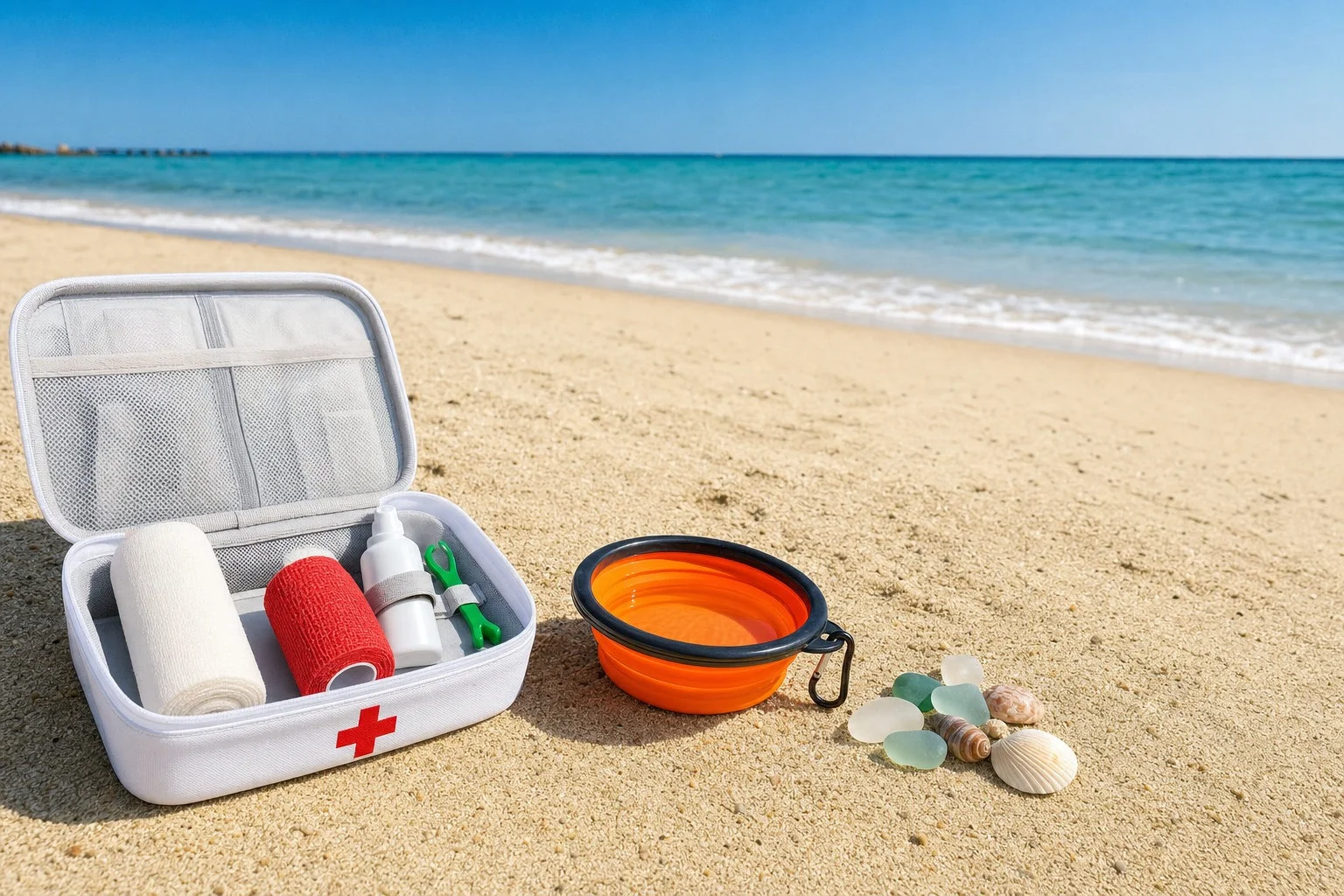
Taking your dog to the beach offers fun and exercise, but it’s important to recognize that new environments can pose urgent health risks. Quick identification of medical issues keeps your dog safe when hazards present themselves. Understanding how and when to seek urgent veterinary care ensures you’re prepared if trouble arises during your beach outing.
Beach conditions like heat, saltwater, unfamiliar debris, and distractions mean your dog’s health needs close monitoring away from home. If you need professional support after hours, UrgentVet in Virginia provides urgent veterinary care that’s available late nights, weekends, and holidays, though they are not open 24/7. Knowing the warning signs and having a plan before hitting the sand can help you act quickly for your pet’s well-being.
Table of Contents
Recognizing urgent conditions at the beach
Outdoor environments bring unique risks for dogs such as heat exhaustion, saltwater poisoning, sharp shells, and overstimulation. Even mild symptoms, like panting or limping, may progress rapidly at the beach. Paying attention to your dog’s behavior is essential so you can spot changes early and respond promptly if something seems amiss.
Warning signs that indicate a need for urgent veterinary intervention include sudden weakness or collapse, labored breathing, ongoing vomiting, confusion, severe pain, or uncontrollable bleeding. Beach activities may intensify these symptoms, underlining the importance of remaining observant and acting quickly if your pet appears unwell.
Heat stress, ingestion, and wounds: Key beach hazards
Dogs may overheat at the beach, with warning signs such as excessive panting, drooling, lethargy, or unsteady movement. Move an overheated dog to shade, offer a small amount of water if alert, and begin gentle cooling as you arrange for veterinary evaluation. Early action is key to preventing serious outcomes from heatstroke.
Other risks include ingesting saltwater, sand, or foreign objects. Dogs that swallow saltwater or debris may show vomiting, diarrhea, or loss of appetite. Ingesting items like dead fish or trash can quickly result in illness requiring timely assessment by a veterinarian, especially since some ingestions can lead to life-threatening complications.
Also Read : Dog-Friendly Beaches in Jacksonville Florida 2026 Guide
Bites, injuries, and safe access to urgent veterinary care
Foot injuries from shells, rocks, or hot sand may cause bleeding or limping, while insect stings and bites can result in swelling, vomiting, or difficulty breathing. If your dog has a wound that won’t stop bleeding, develops facial swelling, or displays trouble breathing, rapid veterinary care is vital.
When these emergencies occur outside normal clinic hours, UrgentVet is an affordable, after-hours emergency vet clinic alternative. They are not open 24/7, but operate late nights, weekends, and holidays, 365 days a year, giving you another option compared to a full-service emergency room. Before leaving for urgent care, gather details about your dog’s symptoms and recent exposures to help the veterinary team provide effective treatment.
UrgentVet is here for after-hours veterinary urgent care for pets, because Your Pet Can’t Wait to Feel Better ®. Preparing for the unexpected when heading to the beach can make a difference, helping your pet get the care they need, exactly when they need it most.

