

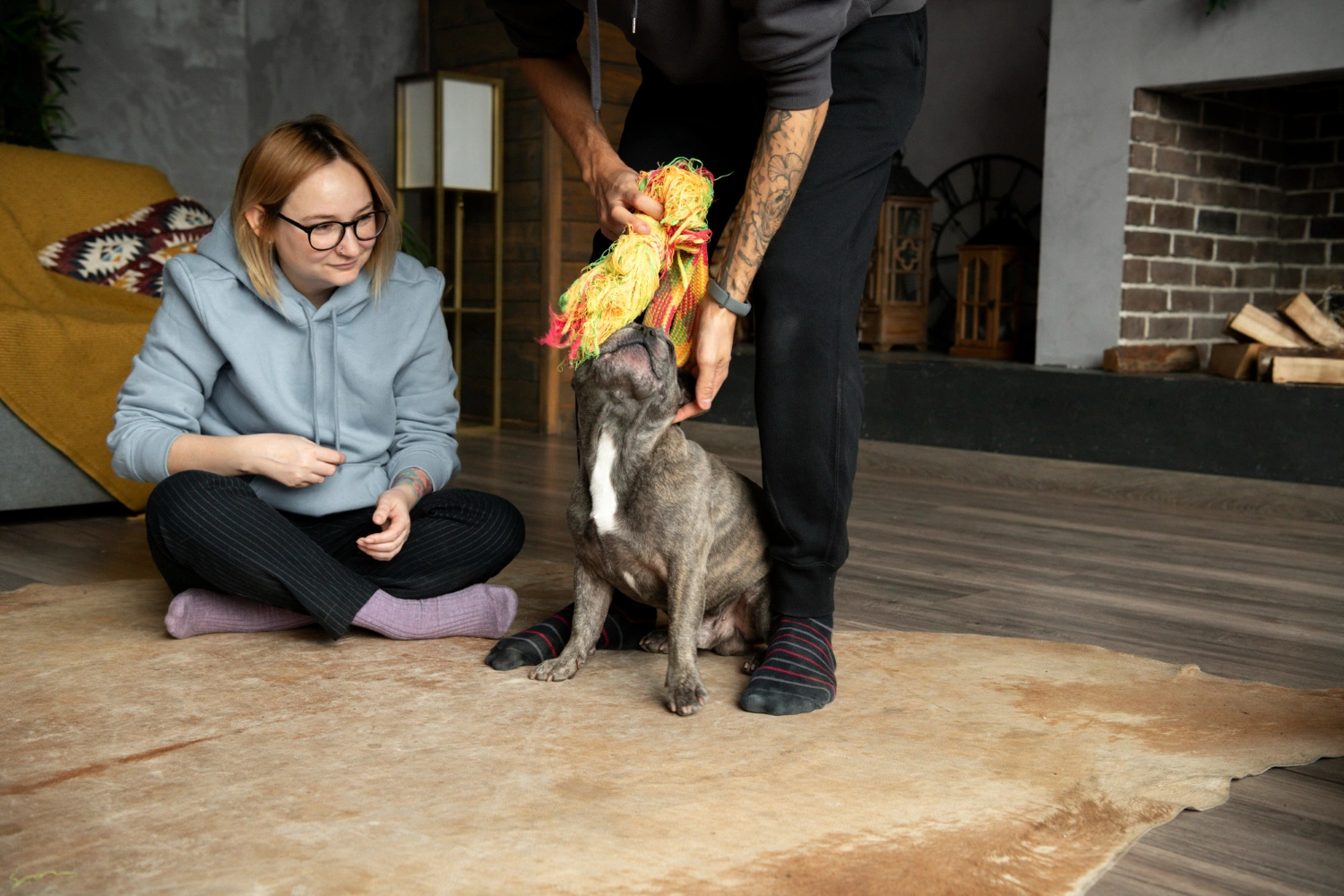
Your home should be a safe, comfortable space for every member of your family, including your pets. Many homeowners overlook the specific needs of their animals when designing or renovating their living spaces, which can lead to damaged furniture, frustrated pets, and safety hazards. Converting your house into a truly pet-friendly environment requires thoughtful planning across multiple areas, from flooring choices to storage solutions for pet supplies. This guide walks you through the essential renovations and modifications that will make your home welcoming and practical for your furry, feathered, or scaly companions.
Table of Contents
1. Choose Durable, Easy-to-Clean Flooring
One of the most important decisions you will make is selecting the right flooring material. Pets produce spills, accidents, and dirt that regular carpet cannot handle effectively, so durable alternatives are essential. Luxury vinyl plank, sealed concrete, and tile are excellent choices because they resist stains, moisture, and scratches while remaining easy to clean with a simple mop or wipe down. These materials will not harbor odors or bacteria the way carpeting does, which is particularly valuable for households with multiple pets or older animals prone to accidents.
If you love the warmth of carpet, consider installing it only in bedrooms or low-traffic areas where pets spend less time. For main living spaces, kitchens, and entryways, hard-surface flooring is far more practical. Any flooring you select should have a slightly textured surface to prevent pets from slipping, especially on stairs or in bathrooms where water accumulation is common. This textured finish provides traction without compromising the clean aesthetic of modern hard-surface materials.
2. Install Pet-Proof Doors and Barriers
Interior and exterior doors often need modification to accommodate pets safely and conveniently. Pet doors allow your animals to move between rooms or access the outdoors without you constantly opening and closing doors behind them. These doors come in various styles and sizes, fitting everything from small cats to large dogs, and they can be installed in exterior walls, sliding glass doors, or traditional wooden doors.
Beyond pet doors, consider installing gates in strategic locations to create safe zones where pets can be separated if needed. This is especially helpful during renovations, when guests visit, or when you need to keep dogs away from certain areas of the home. Modern pet gates blend seamlessly with home decor and are far more stylish than older versions, so they function as design elements rather than purely utilitarian fixtures. Choosing gates with a finish that matches your trim or cabinetry keeps the overall aesthetic cohesive.
3. Create Designated Pet Spaces
Pets benefit from having their own designated areas where they can rest, eat, and play. Renovating your home should include creating a comfortable pet zone, such as a mudroom with washable flooring, built-in feeding stations, and storage for toys and supplies. A mudroom near an exterior door keeps dirt and mess contained while giving your pet a clear space to decompress after outdoor activities.
Consider building or installing custom cabinetry to hide litter boxes, store food, and organize leashes, toys, and grooming supplies. When outfitting a mudroom or laundry area with sturdy, easy-to-clean storage, property owners rely on multifamily cabinets to provide the durable construction and practical organization needed to keep pet supplies contained and accessible. Built-in pet beds, elevated food bowls, and water fountains can all be integrated into your kitchen or laundry room design. These intentional spaces reduce clutter throughout your home and make daily pet care routines more efficient and organized.
4. Protect Walls and Furniture
Scratching, jumping, and general wear and tear from pets can damage walls and baseboards significantly. Installing protective panels on lower walls, particularly near doorways and favorite scratching spots, prevents permanent damage from claws and rough play. Chair rail molding serves both aesthetic and protective purposes, shielding walls from impact and scratches while adding visual interest to your rooms. This relatively low-cost addition pays for itself quickly by eliminating the need to repaint or replaster damaged drywall.
For furniture, choose pet-resistant fabrics like leather, microfiber, or performance fabrics designed to withstand staining and shedding. Washable slipcovers and throws provide an easy way to protect your existing furniture while remaining budget-friendly. Strategic furniture placement that prevents pets from accessing delicate or fragile items is equally worthwhile. Combining protective fabrics with thoughtful arrangement minimizes damage without requiring a complete furniture replacement.
5. Improve Ventilation and Air Quality
Pets can create odors that linger throughout your home, so adequate ventilation is crucial. Installing or upgrading your HVAC system with high-quality filters designed to capture pet dander and hair will improve air quality for everyone in the household. Adding exhaust fans in bathrooms and kitchens helps remove odors quickly, and opening windows regularly brings in fresh air to refresh the space.
Consider installing a dedicated pet washing station with a grooming tub in your laundry room or basement. This reduces the mess in your main bathroom and makes bathing your pets significantly easier and more comfortable for everyone involved. A handheld sprayer, non-slip mat, and built-in storage for shampoos and towels transform a basic utility space into a fully functional grooming area. These targeted upgrades contribute meaningfully to both air quality and overall household cleanliness.
Also Read: The Surprising Animals You Can’t Legally Own in Texas
Conclusion
Renovating your house into a pet-friendly home requires strategic planning and investment in durable materials and thoughtful design. By focusing on practical flooring, designated spaces, protective measures, and improved ventilation, you create an environment where pets and people thrive together. These modifications not only protect your home from damage but also provide your animals with safety, comfort, and their own special places within your living space. The effort you invest in these renovations pays dividends through reduced stress, lower maintenance costs, and a home where every family member, regardless of species, feels genuinely welcome.

