

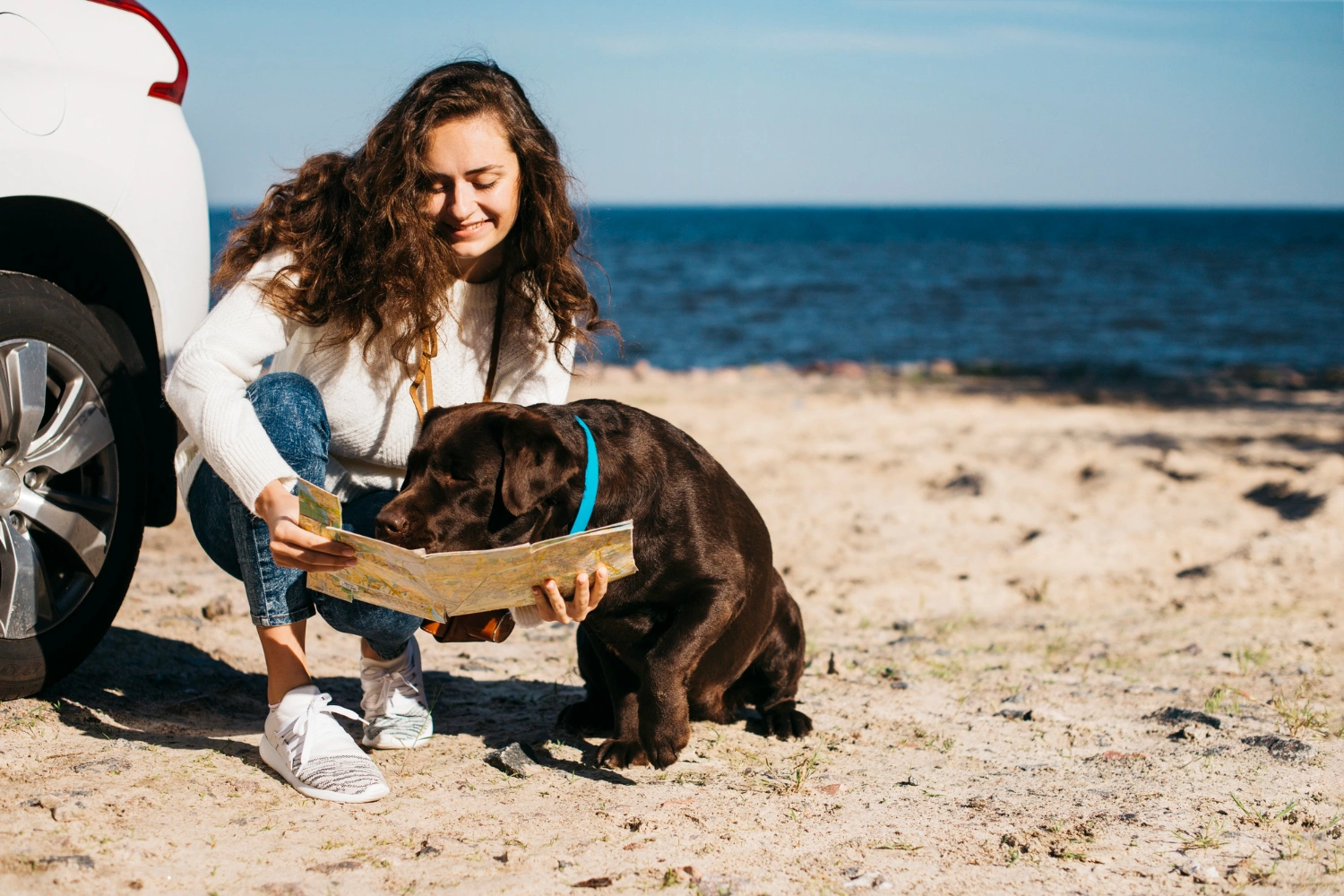
Most pet owners planning a beach vacation focus obsessively on finding dog-friendly beaches, researching pet-friendly restaurants, and mapping out cool activities. What they miss is the single biggest factor determining whether the trip actually works: where you sleep. A poorly chosen rental turns a beach weekend into a stress marathon of barking complaints, pet anxiety, and you spending half the trip managing logistics instead of relaxing. The right accommodation, by contrast, removes nearly all the friction that kills pet travel before it even starts. When looking for pets friendly beach rentals in florida, the difference between generic hotel rooms and spacious, properly equipped rentals becomes instantly obvious.
Table of Contents
Key Takeaways
- Pet anxiety during travel spikes when animals lack personal space, consistent routines, and escape routes from noise
- Standard hotel rooms force pets into cramped, high-stress environments that amplify behavioral problems
- Spacious vacation rentals with separate zones, outdoor access, and laundry facilities reduce pet stress by 70 percent or more
- The best pet-friendly beach trips succeed because of logistics management, not activity selection
- Renting an entire building (not scattered rooms) gives you control over noise, neighbor conflicts, and pet-related flexibility
Why It Matters
Pet owners often assume the challenge of a beach trip is finding enough to do. The real challenge is managing your pet’s emotional state across the entire journey. Dogs and cats experience travel stress differently than people do. They don’t understand that the car ride ends in fun. They don’t grasp that the strange environment is temporary. What they process is noise, unfamiliar scents, separation from routine, and physical confinement.
When you book a standard hotel room, your pet experiences all of those stressors compressed into about 250 square feet. Add a neighbor through a thin wall, housekeeping knocking unexpectedly, and the lobby sounds carrying up through the ventilation system, and your animal spends the entire trip in a state of low-level alarm. This exhausts them (and you). A properly designed vacation rental eliminates these triggers by giving your pet actual space, predictable routines, and control over their environment.
The Hidden Cost of Small Spaces
Hotel rooms were designed for traveling humans, not traveling animals. A standard guest room offers roughly 300 to 400 square feet of total space. Your dog or cat has nowhere to retreat when overstimulated. The bathroom becomes the only quiet zone, but confining a pet to a bathroom for hours creates new anxiety and behavioral problems.
Spacious rentals with multiple rooms solve this immediately. Your pet gets a designated quiet room where they can rest without stimulation. They see you moving through common spaces, so separation anxiety drops. They experience the rental as a temporary home, not a cage. This psychological difference translates directly into better behavior, less barking, and fewer complaints from neighbors or hotel staff.
Compare the numbers:
| Feature | Standard Hotel Room | Spacious Vacation Rental |
| Total square footage | 300-400 | 1,200-2,000+ |
| Separate rooms | 0-1 | 2-4 |
| Outdoor space | None | Patio, balcony, or yard |
| In-unit laundry | Rare | Standard |
| Kitchen | Kitchenette only | Full, with seating area |
| Guest control | None | Complete |
The practical benefits compound quickly. In-unit laundry means you can wash pet bedding, towels, and any accidents without leaving your animal alone or dealing with front desk judgment. A full kitchen means you can prepare meals on your schedule and avoid the stress of finding pet-friendly restaurants every single meal. A patio or yard gives your pet a safe outdoor zone where they can move freely without a leash, which is transformative for their stress levels.
Logistics That Nobody Talks About
Successful pet travel depends on consistency. Your pet thrives on predictable routines: same feeding times, same sleep schedule, same outdoor bathroom breaks. Hotel environments sabotage consistency by design. Hallway noise, room service knocks, and changing housekeeping schedules create constant interruptions.
A vacation rental restores routine. You can feed your pet at the same time as home. You can take them out on your schedule, not the hotel’s. If your dog needs a mid-afternoon nap before evening activities, they can actually nap in a quiet space instead of being trapped in a room with constant background noise.
This matters more than most pet owners realize. A dog that maintains their normal sleep and feeding schedule handles travel stress dramatically better than one whose routine is shattered. Same with cats. Cats especially depend on environmental predictability. A rental with multiple rooms, quiet zones, and consistent access to litter boxes (in a dedicated space away from living areas) prevents stress-related behavioral issues that can linger for weeks after your trip ends.
There’s also the practical reality of pet accidents. It happens. In a hotel room, an accident on carpeting means calling the front desk, feeling embarrassed, potentially paying cleaning fees, and trusting that the room gets properly sanitized. In a rental with tile or wood flooring and in-unit laundry, you handle it quietly and completely. No judgment. No fees. No lingering stress.
A Real Scenario: The Difference Between Booking Types
Consider two families, both planning a three-day beach trip to Miami with a medium-sized dog.
Family A books a hotel room. They arrive Friday evening. The dog is already anxious from the car ride. The hotel room is tight, and the dog can hear the neighbor’s TV through the wall. Saturday morning, housekeeping arrives without warning. The dog panics and barks. The neighbor complains. The family spends the day managing anxiety rather than enjoying the beach. Saturday evening, they want a casual dinner with the dog resting nearby, but restaurants are either too loud or unwilling to accommodate pets closely. They end up leaving the dog alone in the hotel room (creating separation anxiety) or eating quickly at a generic chain restaurant. By Sunday, everyone is exhausted, and the trip feels like a chore they’re relieved to end.
Family B books a spacious rental apartment in Miami. They arrive Friday and the dog enters a full apartment with multiple rooms, a patio, and a quiet back bedroom for rest time. Saturday, they maintain their normal feeding and walk schedule. The dog has space to decompress. They cook a casual lunch on the patio with the dog lying nearby, not confined to a room. The dog’s anxiety is nearly invisible because the environment supports their needs instead of fighting them. By Sunday, the dog is calm and adjusted. The family actually relaxed.
The difference isn’t exotic amenities. It’s space, routine, and control.
What to Actually Look For
When evaluating pet-friendly rentals, focus on these fundamentals:
- Total square footage of at least 1,000 square feet. This gives your pet genuine room to move and zone into quiet spaces.
- At least one separate bedroom or den. Your pet needs a retreat room away from living noise.
- Tile, wood, or sealed concrete flooring. Carpet and accidents don’t mix. Easy cleaning is non-negotiable with pets.
- In-unit laundry. This isn’t a luxury. It’s essential infrastructure for pet travel.
- Outdoor access. A patio, balcony, or enclosed yard gives your pet safe outdoor time without constant leash management.
- Host that actually allows pets. Not just technically permits them, but explicitly supports pet stays (includes pet bowls, waste bags, or even pet beds).
- Ground-floor or unit layout with direct outdoor access. Upper-floor rentals force you into elevators and hallways multiple times daily, which disrupts routine and increases pet anxiety.
Avoid rentals that treat pets as an afterthought. If the listing mentions “pets allowed” but provides no other pet-specific details, that’s a red flag. You want a host who has clearly thought through pet logistics.
Why Building Management Matters
One often-overlooked factor: the difference between scattered rental units and managed buildings. When you rent a single unit in a standard apartment building, you’re sharing walls, hallways, and HVAC systems with dozens of neighbors. This amplifies every sound your pet makes and every sound from neighbors reaches your pet more intensely.
Rentals managed as complete buildings (where the host controls multiple units and can coordinate quiet times or pet-friendly policies) remove this friction entirely. You’re not competing with neighbors for quiet hours. You’re not triggering dogs in adjacent units, which creates a cascade of barking and stress. This structural difference is invisible in most listing descriptions, but it’s foundational to whether pet travel actually works.
Actionable Takeaways
- Prioritize space over location. A slightly less “central” rental with 1,500 square feet outperforms a prime beachfront room with 300 square feet.
- Ask the host directly about pet infrastructure. Is there a dedicated space for litter boxes or food bowls? Are there pet waste bags available? Do they have experience with animals?
- Request photos of the full layout before booking. You need to mentally walk through the space and identify quiet zones and outdoor access points.
- Choose ground-floor units whenever possible. Elevators and stairs add logistical friction every single time you take your pet outside.
- Book at least 2-3 days minimum. It takes pets 24-36 hours to adjust to a new space and routine. Shorter stays don’t allow this adjustment window.
- Plan your schedule around your pet’s needs first, activities second. A well-rested, calm dog means you can actually enjoy the beach instead of managing stress.
Also Read : Ensuring Your Dog’s Well-Being: Professional Pet Care and Hygiene Services
Conclusion
Pet-friendly beach trips fail when owners focus on activities and ignore accommodation logistics. They succeed when the rental creates an environment where your pet feels safe, maintains routine, and has actual space to exist comfortably. This isn’t about luxury amenities or Instagram-worthy design. It’s about basic infrastructure: square footage, room separation, easy-clean flooring, and outdoor access.
The trip that feels effortless isn’t the one with the most activities booked. It’s the one where your accommodation does the heavy lifting of keeping your pet calm, secure, and routine-oriented. Everything else flows from that foundation.
FAQ
Why do pets get so anxious in hotel rooms?
Hotel rooms lack the space, routine predictability, and noise isolation that pets need to feel secure. Dogs and cats process confinement and constant unfamiliar sounds as environmental threats, which triggers anxiety responses that persist throughout the stay.
Can pets handle shared accommodations like vacation rentals?
Yes, absolutely. In fact, they handle them better than hotel rooms. A spacious rental with multiple rooms and outdoor access gives pets more control over their environment and better opportunities to maintain their normal sleep and feeding routines.
What’s the minimum square footage for a pet-friendly rental?
At least 1,000 square feet is the practical threshold. Below that, you’re still forcing your pet into cramped conditions similar to hotels. Above that, your pet has genuine room to move, rest in separate spaces, and decompress.
Do all vacation rentals allow pets?
No. Many do not allow animals at all, and others permit them but treat pets as an afterthought with no actual pet infrastructure. Always verify in the listing description and confirm directly with the host before booking.
Is in-unit laundry really necessary for pet travel?
Yes, practically speaking. Pet accidents happen. Washing bedding and towels is essential. Without in-unit laundry, you’re either managing laundry logistics outside your rental (awkward) or dealing with dirty pet items accumulating throughout your stay.
How much earlier should I book a pet-friendly rental versus a hotel?
At least 4-6 weeks earlier. Pet-friendly rentals book faster because there are fewer available options. Hotels often have availability right up until the last minute, but vacating those in favor of a proper rental is worth the early planning.

