

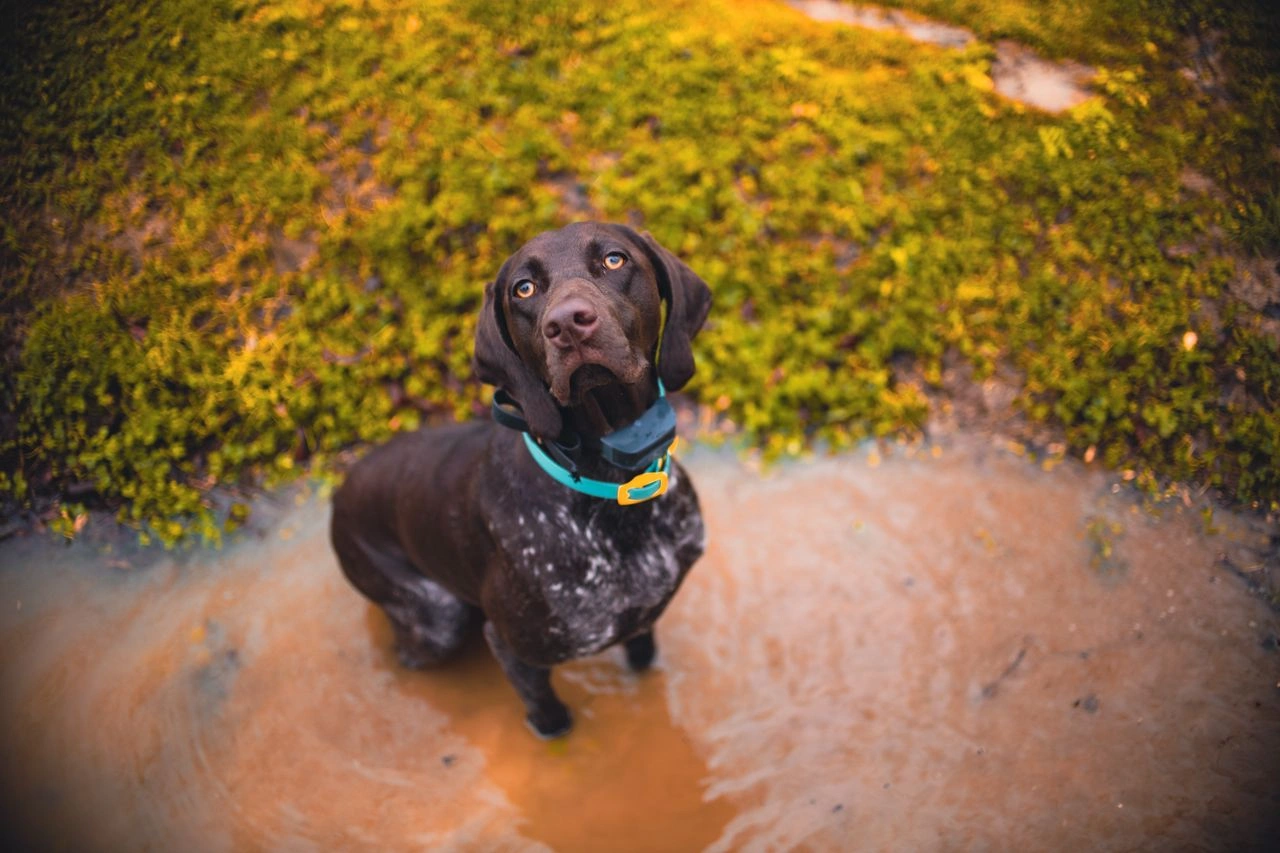
Giving your dog the freedom to enjoy outdoor space while keeping them safe is a major priority for responsible pet owners. For years, traditional invisible fences have been a popular solution for controlling where dogs can roam. However, advancements in technology have introduced GPS-based fencing systems that offer a newer approach to pet safety.
Both options aim to prevent dogs from leaving a designated area, but they work in very different ways. Traditional invisible fences rely on underground wires, while GPS fences use satellite technology to create virtual boundaries.
So, which option is better for your dog?
The answer depends on your property, your dog’s behavior, and your expectations. Understanding the differences between a GPS fence and a traditional invisible fence can help you choose the right solution for your pet’s safety and freedom.
Table of Contents
What Is a GPS Fence?
A GPS fence is a modern pet containment system that uses satellite technology to create virtual boundaries. Instead of installing physical wires underground, owners can set digital boundaries through a smartphone application.
A GPS Dog Fence allows owners to define safe zones where their dogs can move freely. When a dog approaches the boundary, the system can send alerts or provide correction signals depending on the device.
Unlike traditional systems, GPS fences are not limited by property shape or installation requirements. Owners can adjust boundaries whenever needed, making them flexible for different environments.
GPS fences are especially useful for:
- Large properties
- Farms and rural areas
- Temporary outdoor locations
- Homes where underground installation is difficult
- Owners who want portable solutions
Because they rely on satellite signals, GPS fences provide more mobility compared to wired systems.
What Is a Traditional Invisible Fence?
A traditional invisible fence is an electronic containment system that uses a buried wire around a property. The dog wears a special collar that communicates with the underground boundary.
When the dog approaches the boundary, the collar may provide:
- Warning sounds
- Vibrations
- Static stimulation
The purpose is to train the dog to remain within the defined area.
Traditional invisible fences have been used for many years and can be effective when properly installed and combined with training. However, they require more planning because the boundary depends on physical wire placement.
GPS Fence vs. Traditional Invisible Fence: Key Differences
Understanding the major differences between these two systems can make the decision easier.
Installation Process
One of the biggest differences is installation.
A traditional invisible fence usually requires digging trenches to install underground wires. This process can be time-consuming, expensive, and difficult to change later.
A GPS fence does not require physical installation. Owners can usually create boundaries digitally through an app, making setup faster and easier.
For renters or people who frequently change locations, GPS technology offers greater flexibility.
Flexibility and Customization
Traditional invisible fences have fixed boundaries. Once the wire is installed, changing the containment area requires physically modifying the system.
GPS fences provide more customization. Owners can adjust boundaries based on changing needs, property use, or outdoor activities.
For example, a homeowner may create one boundary for everyday use and another for special occasions or different areas.
Coverage Area
Coverage area is another important factor.
Traditional invisible fences are generally designed around a specific property. Their effectiveness depends on the length and placement of the installed wire.
GPS fences can cover much larger areas because they rely on satellite signals rather than physical wiring.
This makes GPS systems attractive for:
- Large gardens
- Country properties
- Open fields
- Outdoor adventures
However, GPS accuracy can vary depending on signal availability and environmental conditions.
Portability
Traditional invisible fences are permanent systems. Moving them to another location usually requires reinstalling the wiring.
GPS fences are portable. Owners can take the system while traveling, camping, or moving homes.
For families who enjoy outdoor activities with their dogs, this portability is a major advantage.
Reliability
Traditional invisible fences have a long history of use and can be reliable when properly installed. However, damaged underground wires can affect performance and may require professional repairs.
GPS fences depend on satellite technology and device connectivity. Their performance can be influenced by GPS signal strength, weather conditions, and device quality.
Choosing a reliable system and maintaining the device properly is essential.
Which Option Is Better for Dog Safety?
When comparing safety, both systems have advantages and limitations.
A traditional invisible fence provides a consistent boundary around a specific property. Once trained, many dogs learn to recognize the limits.
However, one limitation is that invisible fences usually prevent dogs from leaving the area but do not stop other animals or people from entering.
GPS fences provide better monitoring because owners can often track their dog’s location through an app. This additional awareness can be valuable if a dog escapes or moves unexpectedly.
A GPS Dog Fence also gives owners more control over changing environments because boundaries can be adjusted without physical work.
The Importance of Training With Any System
Regardless of the technology chosen, training is the most important part of successful dog containment.
Dogs should not simply wear a collar and be expected to understand boundaries immediately.
Proper training includes:
- Introducing boundaries gradually
- Using positive reinforcement
- Teaching recall commands
- Supervising early outdoor sessions
Some dogs may adapt quickly, while others need more time. Individual temperament plays an important role.
Technology should support training, not replace it.
Which Dogs Benefit Most From GPS Fences?
GPS fences may be especially beneficial for:
- Active dogs that enjoy exploring
- Dogs living on large properties
- Owners who travel frequently
- Dogs that need more outdoor freedom
- Homes without traditional fencing options
For example, a hiking enthusiast may prefer a GPS system because it provides location awareness during outdoor adventures.
When a Traditional Invisible Fence May Be Better
Despite the advantages of GPS systems, traditional invisible fences still have situations where they may be suitable.
They can work well for:
- Permanent homes
- Small or medium-sized properties
- Owners who prefer fixed boundaries
- Areas with reliable underground installation options
A well-installed wired system can provide dependable containment for dogs that respond well to training.
The Future of Dog Containment Technology
Pet safety is becoming increasingly connected and technology-driven. GPS systems continue to improve with better accuracy, longer battery life, and smarter monitoring features.
Future advancements may include:
- Artificial intelligence-based behavior analysis
- More precise location tracking
- Improved health monitoring
- Better integration with smart home devices
As technology develops, solutions like the GPS Dog Fence are likely to become even more common among modern pet owners.
Also Read : How GPS Technology Is Changing Dog Safety: A Smarter Way to Protect Your Pet
Final Verdict: GPS Fence or Traditional Invisible Fence?
Both GPS fences and traditional invisible fences can help keep dogs safe, but they serve different needs.
Traditional invisible fences may be suitable for homeowners who want a permanent containment system with fixed boundaries.
GPS fences offer greater flexibility, portability, and location awareness, making them a strong choice for owners who want modern technology and adaptable protection.
The best choice depends on your dog’s personality, your property, and your lifestyle. For many modern pet owners, a GPS-based system provides a practical balance between freedom and safety.
A GPS Dog Fence allows dogs to explore more confidently while giving owners the peace of mind that comes with smarter protection.

