

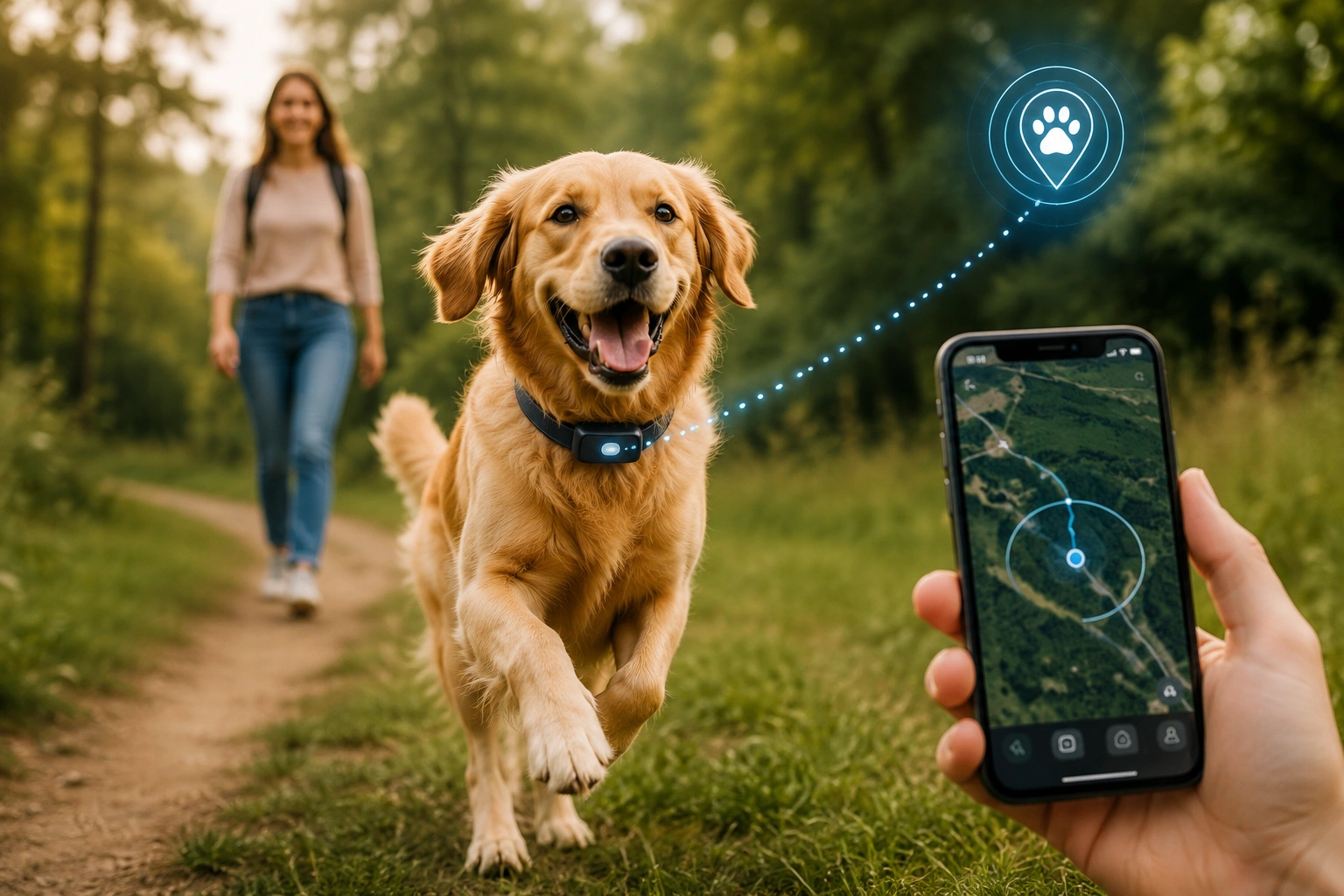
For many dog owners, watching their pets run, play, and explore freely is one of the happiest parts of pet ownership. Dogs naturally need exercise, mental stimulation, and opportunities to explore their surroundings. However, allowing a dog to enjoy off-leash freedom also comes with risks.
A sudden distraction, unfamiliar scent, passing animal, or loud noise can cause even a well-trained dog to run farther than expected. This creates a difficult balance for owners: they want their dogs to experience freedom, but they also want to keep them protected.
Fortunately, modern pet safety technology is changing the way owners approach outdoor freedom. Advanced tracking systems, smart monitoring tools, and virtual boundary solutions now allow dogs to explore more independently while giving owners greater control.
A GPS Dog Fence is one of the most effective solutions for creating a safer off-leash experience. It provides virtual boundaries and location monitoring, helping owners give their dogs more freedom without losing awareness of where they are.
Table of Contents
Why Dogs Need Safe Off-Leash Time
Dogs are active animals with natural instincts to move, explore, and interact with their environment. Regular outdoor activity plays an important role in their physical and emotional well-being.
Off-leash time can help dogs:
- Burn excess energy
- Improve confidence
- Reduce boredom
- Develop better behavior
- Enjoy natural exploration
A dog that does not receive enough exercise may develop unwanted behaviors such as excessive barking, chewing, restlessness, or anxiety.
However, traditional off-leash activities often require specific conditions. Public parks may have restrictions, open areas may not be secure, and not every owner has access to a fully fenced backyard.
This is where technology provides a practical solution by creating safer opportunities for dogs to enjoy outdoor freedom.
The Challenge of Traditional Off-Leash Freedom
Many owners hesitate to let their dogs roam freely because of safety concerns.
Common risks include:
- Running into traffic
- Chasing wildlife
- Entering unfamiliar areas
- Getting lost
- Approaching other animals
- Ignoring recall commands
Even dogs with excellent training can react unexpectedly. A strong hunting instinct, sudden fear, or exciting distraction can override normal behavior.
Physical fences can reduce these risks, but they are not always possible. Some properties cannot accommodate fencing due to cost, space limitations, or local regulations.
Modern GPS-based solutions help overcome these challenges by offering flexible alternatives.
How GPS Technology Creates Safer Freedom
GPS technology allows owners to monitor their dog’s location using satellite-based tracking systems. A small device attached to the dog’s collar communicates with an application, providing real-time information about movement and location.
Unlike traditional tags, GPS trackers actively provide information about where a dog is located.
Important features may include:
- Live location tracking
- Safe zone creation
- Escape alerts
- Activity monitoring
- Location history
If a dog moves outside a designated area, owners can receive immediate notifications. This allows faster action before the dog travels too far.
Understanding Virtual Boundaries
Virtual boundaries are one of the biggest innovations in modern dog safety. Instead of relying only on physical barriers, owners can create digital limits using GPS technology.
A GPS Dog Fence allows pet owners to establish safe zones based on their property or preferred outdoor area. When a dog approaches the boundary, the system can notify the owner and encourage the dog to remain within the permitted space.
These systems are especially useful for:
- Large properties
- Rural homes
- Farms
- Outdoor-loving dogs
- Areas where traditional fences are impractical
The goal is not to restrict dogs but to provide controlled freedom. Dogs can explore more naturally while owners maintain awareness and confidence.
Why Training Still Matters
Technology is a valuable safety tool, but it works best when combined with proper training.
Dogs need time to understand boundaries and learn appropriate responses. Owners should gradually introduce new safety systems and continue practicing basic commands.
Important skills include:
- Reliable recall
- Responding to commands
- Staying calm around distractions
- Understanding outdoor limits
Positive reinforcement is usually the most effective approach. Rewarding good behavior helps dogs associate boundaries with positive experiences.
A smart device cannot replace responsible ownership. The best results come from combining technology, training, and supervision.
Choosing the Right Safety Solution for Your Dog
Every dog has different needs. Before choosing an off-leash safety solution, owners should consider their dog’s personality, environment, and lifestyle.
Consider Your Dog’s Behavior
High-energy breeds or dogs with strong chasing instincts may require more advanced monitoring compared to calmer pets.
Evaluate Your Outdoor Space
A small backyard and a large open property require different approaches. GPS-based systems can be particularly useful where traditional fencing is difficult.
Check Technology Features
Important features to consider include:
- Tracking accuracy
- Battery life
- Mobile app reliability
- Weather resistance
- Ease of setup
Think About Your Daily Routine
Owners who frequently travel, hike, or explore outdoor spaces with their dogs may benefit from portable GPS tracking options.
Making Outdoor Adventures Safer
For active owners, off-leash freedom is not limited to home environments. Hiking, camping, and outdoor trips can become safer with GPS technology.
New locations introduce additional risks because dogs may encounter unfamiliar smells, animals, and surroundings.
Before outdoor adventures, owners should:
- Update identification information
- Check equipment condition
- Monitor weather conditions
- Practice recall commands
- Keep tracking devices charged
A GPS tracker provides additional confidence during activities where traditional barriers are unavailable.
Also Read: GPS Fence vs. Traditional Invisible Fence: Which Is Better for Your Dog?
The Future of Safe Pet Freedom
The future of dog safety is moving toward smarter, more connected solutions. As technology improves, pet owners can expect more accurate tracking, better communication between devices, and improved behavior monitoring.
Future developments may include:
- Artificial intelligence-based activity analysis
- Improved GPS accuracy
- Longer battery performance
- Integration with smart home systems
- Advanced health tracking
These innovations will continue helping owners provide their dogs with freedom while reducing unnecessary risks.
A GPS Dog Fence represents this new approach by combining technology and responsible pet care to create safer outdoor experiences.
Final Thoughts
Dogs deserve the opportunity to explore, exercise, and enjoy the outdoors. However, freedom should always be balanced with safety.
Modern technology makes it possible to provide dogs with more independence without ignoring potential risks. Through GPS tracking, training, and smart boundary systems, owners can create a safer environment where pets can enjoy outdoor adventures.
A GPS Dog Fence is not about limiting a dog’s movement—it is about creating confidence for owners and security for pets. With the right preparation, dogs can experience the joy of exploration while staying protected.

