

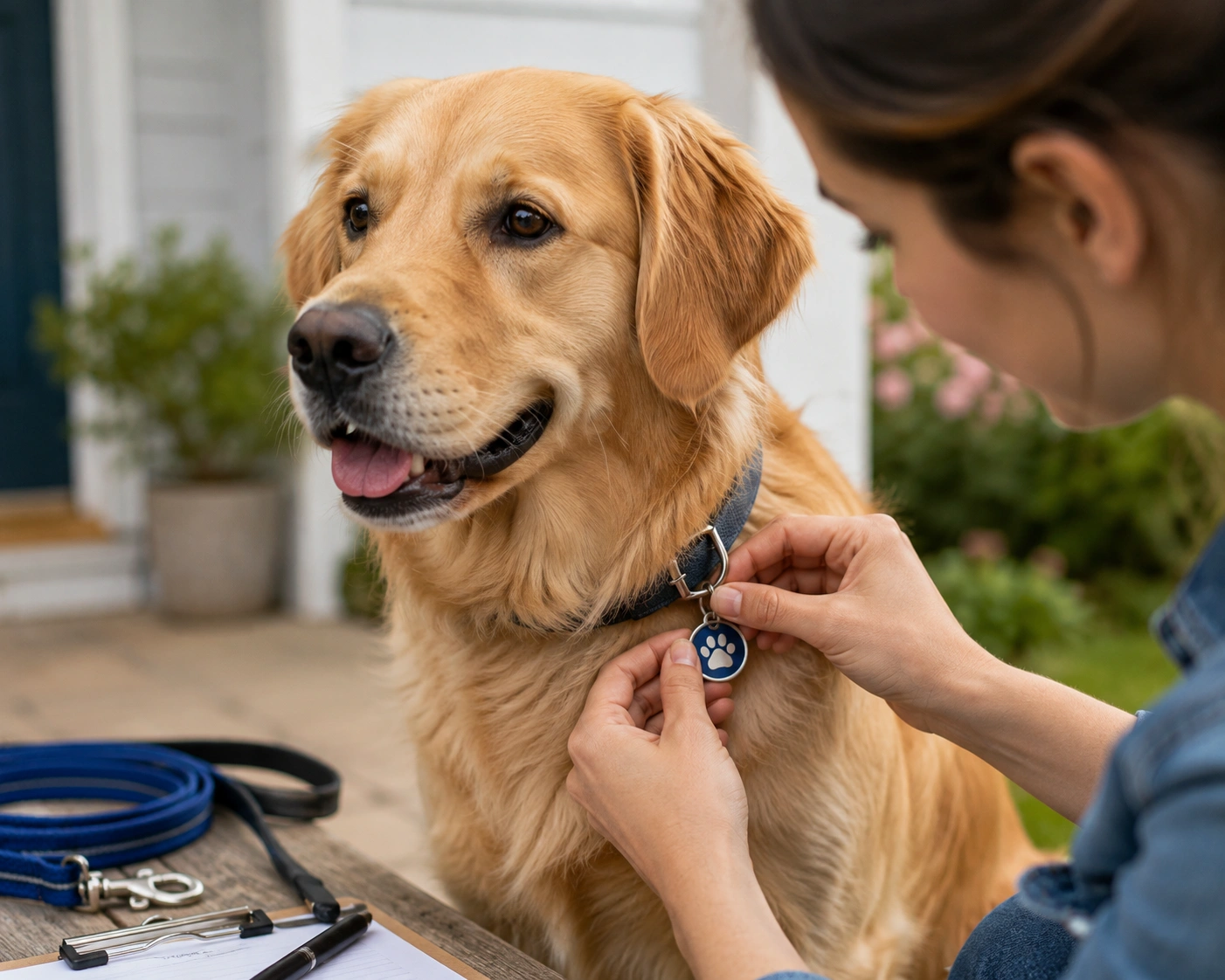
Losing a dog is one of the most frightening experiences a pet owner can face. In a moment of distraction, an open gate, a broken fence, or a sudden loud noise can cause even a well-trained dog to run away. While many lost dogs are eventually reunited with their families, prevention remains the best approach.
The good news is that modern pet safety methods make it easier than ever to reduce the chances of losing a dog. From proper identification and training to smart tracking solutions, owners now have more tools to protect their pets before an emergency occurs.
Preparing in advance can make a significant difference. A few simple safety steps can help prevent stressful situations and give dogs the freedom to enjoy their surroundings safely.
Table of Contents
Why Lost Dog Prevention Matters
Dogs do not always run away because they are unhappy or poorly trained. Many escapes happen because of natural instincts. Dogs may chase another animal, follow an interesting scent, react to fear, or simply explore beyond familiar areas.
Common causes of dogs going missing include:
- Open doors or gates
- Damaged fences
- Lack of identification
- Poor recall training
- Moving to a new home
- Fireworks, storms, or loud noises
- Unfamiliar outdoor environments
Once a dog leaves a familiar area, it can become confused and continue traveling. Some dogs may hide when scared, making them harder to find.
This is why preparation is essential. Owners should not wait until their dog disappears to think about safety measures.
Use Proper Identification Methods
One of the first steps in preventing permanent separation is making sure your dog can be identified.
A collar with an updated identification tag should always include:
- Owner’s name
- Current phone number
- Emergency contact details
However, collars and tags are not enough on their own. Tags can fall off, become damaged, or may not provide enough information.
Microchipping is another important safety measure. A microchip is a small device placed under the dog’s skin that contains a unique identification number. Veterinary clinics and animal shelters can scan the chip and use registered information to contact the owner.
Keeping your contact information updated in the microchip database is equally important. An outdated phone number can delay reunification.
Strengthen Your Dog’s Recall Training
Training is one of the most powerful tools for preventing a lost dog situation.
A strong recall command teaches your dog to return when called, even when distractions are present. This skill can be life-saving if your dog accidentally escapes.
Effective recall training includes:
- Using positive reinforcement
- Practicing in different environments
- Rewarding successful responses
- Avoiding punishment when the dog returns
Dogs should learn that coming back to their owner is always a positive experience.
Regular training sessions also improve communication between dogs and owners, creating a stronger relationship built on trust.
Create a Safe Outdoor Environment
Many dogs escape because their outdoor area is not properly secured.
Before allowing your dog outside, inspect your property for possible escape routes.
Check for:
- Holes under fences
- Loose fence panels
- Open gates
- Low barriers
- Areas where dogs can climb or jump
Different breeds have different abilities. A small dog may squeeze through narrow spaces, while a larger or athletic breed may jump over standard fences.
For homeowners who want flexible outdoor protection, modern technology provides additional options.
A GPS Dog Fence creates virtual boundaries that help owners monitor their dog’s location without requiring traditional physical fencing. These systems can alert owners when their dog approaches or crosses a predefined area, adding an extra layer of protection.
Consider GPS Tracking Technology
Traditional safety methods are helpful, but technology has made pet protection more advanced.
GPS trackers allow owners to monitor their dog’s location in real time through a smartphone application. If a dog escapes, owners can quickly check where the pet is located instead of relying only on searching efforts.
Benefits of GPS tracking include:
- Real-time location updates
- Escape alerts
- Activity monitoring
- Location history
- Faster recovery after escape
GPS tracking is especially useful for dogs that are adventurous, live in rural areas, or frequently participate in outdoor activities.
Unlike regular identification tags, GPS devices provide active monitoring and help owners respond immediately.
Prepare for Emergencies Before They Happen
Many owners only create a lost dog plan after their pet disappears. Preparing beforehand saves valuable time during an emergency.
Every owner should have:
- Recent photographs of their dog
- Updated medical records
- Emergency contact information
- A list of nearby shelters and veterinary clinics
- A plan for searching the neighborhood
Recent photos are especially important because they help create accurate lost dog posters and online alerts.
Owners should also know their dog’s habits. Understanding where a dog usually goes when scared or excited can improve search efforts.
Be Careful During Travel and New Situations
Dogs are more likely to become lost in unfamiliar environments. Travel, vacations, and relocation can create new risks.
When visiting new places:
- Keep your dog’s identification updated
- Use a secure leash
- Avoid leaving dogs unattended outdoors
- Check doors and gates carefully
- Carry recent photos
A dog that behaves perfectly at home may react differently in a new location. New smells, sounds, and surroundings can trigger unexpected behavior.
Extra precautions during these situations can prevent heartbreaking accidents.
Understand Your Dog’s Behavior
Knowing your dog’s personality can help prevent escapes.
Some dogs are more likely to wander because of:
- High energy levels
- Strong hunting instincts
- Separation anxiety
- Curiosity
- Fear responses
For example, a dog that becomes anxious during storms may attempt to escape through doors or fences. Understanding these triggers allows owners to create better safety strategies.
Behavior management combined with proper training and technology creates a stronger protection system.
The Future of Lost Dog Prevention
Pet safety continues to improve as technology develops. Smart collars, GPS monitoring, and virtual boundary systems are changing how owners protect their dogs.
Future innovations may include:
- More accurate location tracking
- Longer-lasting batteries
- AI-based behavior prediction
- Smart home integration
- Improved health monitoring
These advancements will make prevention easier and help owners respond faster when problems occur.
A GPS Dog Fence is becoming an important part of modern pet safety because it combines freedom, monitoring, and protection in one solution.
Also Read : How GPS Technology Is Changing Dog Safety: A Smarter Way to Protect Your Pet
Final Thoughts
Preventing a lost dog situation requires preparation, awareness, and consistent care. No single method can guarantee complete protection, but combining identification, training, secure environments, and technology greatly reduces risks.
Responsible ownership means planning before an emergency happens. By taking preventive steps today, owners can protect their pets and enjoy greater peace of mind.
A GPS Dog Fence and other smart safety tools are not replacements for attention and training—they are valuable additions that help create a safer world for dogs.

