

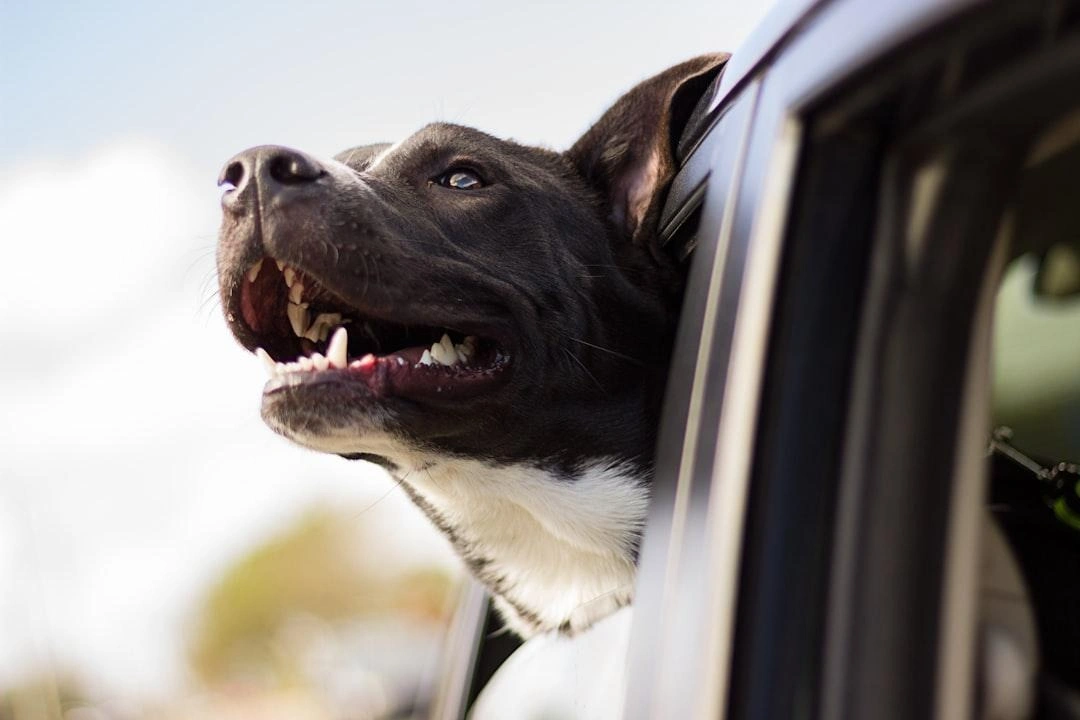
For many of us, the idea of a road trip with our beloved canine companion is a dream. We imagine peaceful journeys, happy barks, and wagging tails. However, for countless dogs, car rides are a source of significant stress and anxiety. This can turn what should be a fun outing into a challenging ordeal for both pet and owner.
In this extensive guide, we will explore the common signs of canine car stress and motion sickness. We will then dive into practical strategies, from desensitization training and positive reinforcement to effective natural calming aids and essential safety practices. We will also discuss when professional guidance, such as private lessons and immersion programs, might be the best path forward. Our goal is to help you build a stronger bond with your dog and transform car rides into calm, enjoyable experiences for everyone.
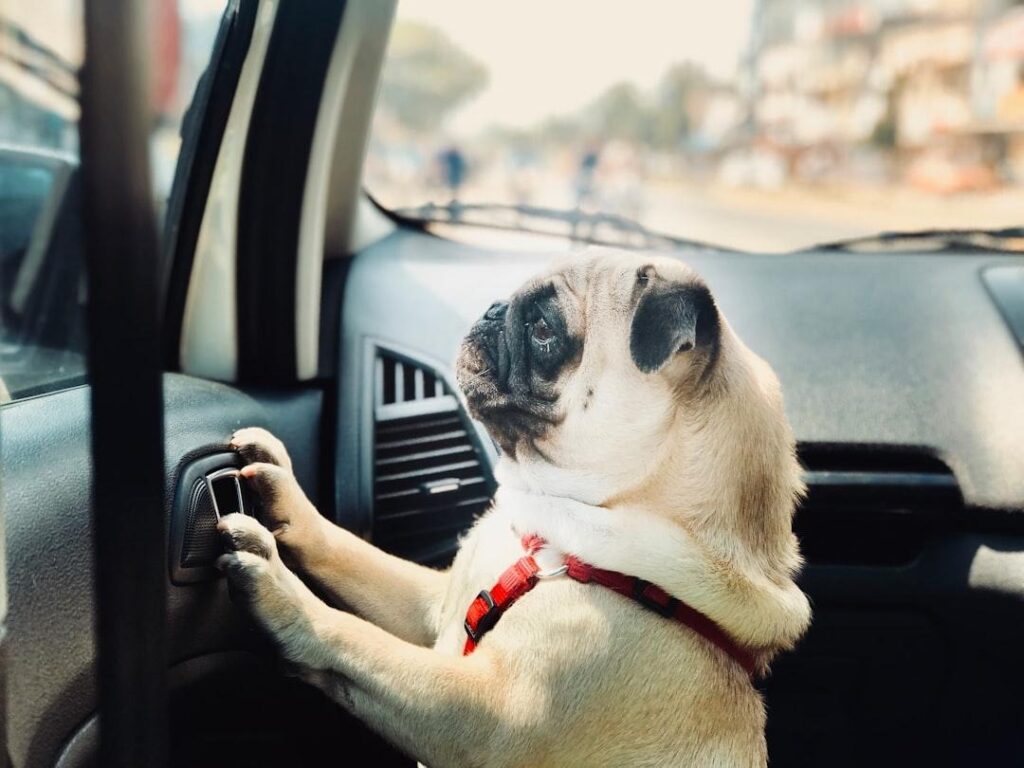
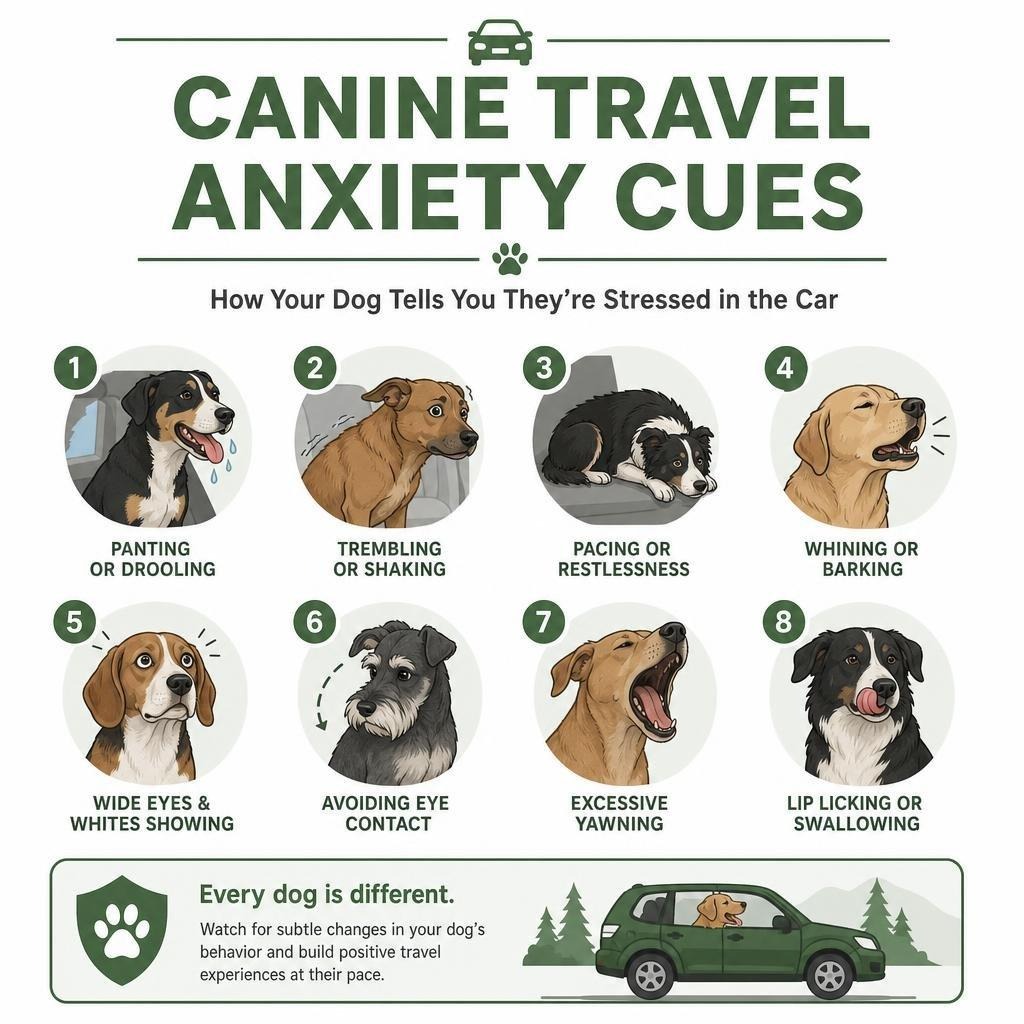
Before we can help our dogs, we first need to understand what they are trying to tell us. Dogs communicate their discomfort in various ways, and recognizing these signals early can prevent a stressful situation from escalating.
Table of Contents
Common Signs of Stress and Anxiety During Car Rides:
- Panting and Drooling: Excessive panting and drooling, even in a cool car, are classic indicators of stress, not just heat.
- Trembling or Shaking: This can range from subtle quivering to full-body shakes, often accompanied by a tucked tail.
- Whining, Barking, or Howling: Vocalizations are a dog’s way of expressing distress, boredom, or a plea to stop.
- Restlessness and Pacing: An inability to settle down, constantly shifting position, or pacing back and forth in the car indicates discomfort.
- Yawning and Lip Licking: While sometimes normal, exaggerated or frequent yawning and lip licking can be subtle signs of anxiety.
- Hiding or Cowering: A dog might try to hide under a seat, burrow into a blanket, or press themselves against a corner of their crate.
- Vomiting or Nausea: This is a clear sign of motion sickness, which can be both physically and psychologically distressing.
The Human Connection: How Our Stress Affects Our Dogs: It’s not just the car itself that can trigger anxiety; our own emotional state plays a significant role. Dogs are incredibly perceptive creatures. A study from Bristol University in 2024 confirmed that dogs can detect physiological changes in humans associated with stress, such as elevated cortisol levels, through scent. This means that if we are anxious about a car ride, our dogs can literally smell and feel our stress. This phenomenon, known as emotional contagion, creates a feedback loop where our anxiety can directly contribute to our dog’s unease. Managing our own stress is therefore a critical, often overlooked, step in calming our dogs.
How Professional Dog Training Programs Address Travel Anxiety
Addressing car anxiety often requires a systematic approach that goes beyond simply hoping our dogs will “get over it.” This is where professional dog training programs, including specialized private lessons and immersion programs, can be invaluable. These programs focus on desensitization and counter-conditioning, helping dogs build positive associations with the car and learn to cope with the sensations of travel.
Crate acclimation is another cornerstone of professional training for car travel. A well-introduced crate becomes a familiar, safe space for the dog, reducing visual stimuli and providing a sense of security. Structured boundaries, taught through commands like “place” or “settle,” help a dog understand where they should be and what behavior is expected, offering predictability in a potentially overwhelming environment.
Core Components of Professional Dog Training Programs
Effective programs break down the car ride experience into manageable steps, ensuring the dog builds confidence at each stage.
- Stationary Exposure: Training begins with simply being near or in the stationary car. Owners are guided to:
- Walk the dog near the car without forcing interaction.
- Open car doors and allow the dog to explore the interior at their own pace.
- Place high-value treats around and inside the stationary vehicle.
- Feed the dog’s meals in or near the car to build strong positive associations.
- Sit with the dog in the parked car for short periods, offering praise and treats for calm behavior.
- Engine Noise Acclimation: Once comfortable in the stationary car, the next step is to introduce the sound and vibration of the engine:
- Turn on the car engine without moving the vehicle, rewarding the dog for remaining calm.
- Vary destinations so that car rides do not solely result in stressful events like vet visits. Many car rides should lead to fun places like a dog park or a favorite trail.
- End each short trip on a positive note, with high-value treats and praise immediately upon arrival at the destination.
- Pace desensitization training according to the dog’s individual comfort level; never rush the process.
Advanced Techniques Used in Professional Dog Training Programs
For dogs with more severe anxiety or those needing greater structure, professional programs incorporate advanced techniques:
- Boundary Work and Place Command: Teaching a “place” command or establishing boundaries within the car (e.g., staying in a designated car seat or crate) provides a clear expectation and reduces restless pacing. This gives the dog a job and a predictable space, which can be very calming.
Natural Calming Aids and Safety Management
Beyond training, a combination of natural calming aids and essential safety measures can significantly improve a dog’s car ride experience. These tools can help manage symptoms while behavioral training addresses the root cause of anxiety.
Natural Calming Aids:
- Pheromone Sprays: Synthetic pheromone products, like ADAPTIL Transport Spray, mimic the natural appeasing pheromones released by lactating mother dogs to soothe their puppies. Clinical studies show significant results, with an 85% reduction of shaking and 71% reduction of panting in dogs using these sprays. It’s recommended to spray the car interior or dog bedding 15-20 minutes before the dog enters, allowing the alcohol carrier to evaporate.
- Pressure Wraps: Anxiety wraps, such as ThunderShirts, work by applying gentle, constant pressure to a dog’s torso, similar to swaddling a baby. This pressure can have a calming effect on the nervous system.
- Calming Chews and Supplements: Many natural calming chews contain ingredients like L-tryptophan, green tea extract, colostrum, and vitamin B1. These can help reduce anxiety. They should typically be given 30-45 minutes before departure to allow time for the ingredients to take effect. Always consult your veterinarian before introducing any new supplements, especially if your dog has existing health conditions or takes other medications.
Also Read : Finding the Right Personalized Dog Training Programs – Learn about hound dog breeds
Safety Management:
- Restraint Systems: Securing your dog in the car is paramount for their safety and to prevent driver distraction.
- Crates: A sturdy, crash-tested crate is often the safest option. It provides a familiar, secure “den” that limits visual stimuli (especially if covered with a blanket), which can reduce both anxiety and motion sickness. Small dogs in crates may benefit from being placed on the floor of the middle seat, where there is the least amount of motion.
- Harnesses and Seatbelts: For dogs not crated, a crash-tested safety harness attached to a seatbelt system is crucial. Always attach the seatbelt to the harness, never directly to a collar, to prevent serious neck injuries during sudden stops.
- Dog Car Seats: Heavily padded dog car seats can help absorb vehicle motion, reducing the physical effort a dog exerts to counterbalance movement, which contributes to motion sickness and anxiety. Many models offer ISOFIX/LATCH attachments for secure installation.
- Temperature Control and Airflow: Overheating is a serious risk. A parked car can reach 100°F in under 20 minutes on a 70°F day.
- Ensure good ventilation, using air conditioning or slightly cracked windows (never enough for the dog to stick their head out entirely).
- Consider magnetic window shades to block direct sunlight and clip-on fans to circulate air in the back seat.
- Always carry fresh water and offer it frequently. Ice cubes can be particularly appealing to stressed dogs who might refuse water.
- Familiarity and Routine: Bring familiar items like a favorite blanket or toy that carries their scent. Maintaining a consistent routine, even during travel, helps dogs feel secure. This includes regular feeding times and frequent stops for potty breaks and stretching.
Calming Aid Type Primary Mechanism Best Use Case Safety Considerations Pheromone Sprays Mimics natural appeasing pheromones General anxiety, new environments, short trips Spray 15-20 mins before dog enters; never directly on dog Pressure Wraps Gentle, constant pressure on torso Situational anxiety (storms, travel, vet visits) Ensure proper fit; monitor for overheating Calming Chews Herbal/nutritional supplements (L-tryptophan, B1) Mild to moderate anxiety, pre-trip preparation Consult vet; administer 30-45 mins prior Calming Music Psychoacoustic sound patterns Background calming, desensitization, long drives Ensure dog-specific music; avoid loud volumes Crates Secure den, limits visual stimuli, physical restraint Safety, severe anxiety, motion sickness Crash-tested preferred; proper size; acclimation needed Harness & Seatbelt Physical restraint, prevents distraction Safety, mild anxiety Crash-tested harness; never attach to collar Dog Car Seats Cushioned support, physical stability Motion sickness, comfort, small/medium dogs Secure installation (ISOFIX/LATCH); proper size Frequently Asked Questions About Dog Travel Behavior
How does a crate help calm an anxious dog during a drive?
A crate can be a powerful tool for calming an anxious dog in the car. Firstly, it provides a familiar, secure “den” that smells like home, offering a sense of safety. Secondly, it limits overwhelming visual stimuli, especially if covered with a blanket, which can reduce both anxiety and motion sickness. Thirdly, a secured crate physically restrains the dog, preventing them from being thrown around by vehicle movement, which lessens physical discomfort and the effort required to balance. This combination helps create a more predictable and less stressful environment.
When should an owner seek veterinary medication for car rides?
Owners should consider seeking veterinary medication for car rides when behavioral and environmental strategies (like desensitization, calming aids, and proper restraint) are insufficient to manage severe anxiety or motion sickness. If your dog consistently experiences extreme distress, uncontrollable vomiting, or if their anxiety poses a safety risk despite your best efforts, it’s time to consult your veterinarian. They can assess your dog’s specific needs and prescribe appropriate medications, such as anti-nausea drugs (e.g., Cerenia) or anti-anxiety medications, often used in conjunction with ongoing behavioral training. Puppies are more susceptible to motion sickness because their inner ears have not fully developed, so early veterinary consultation for them is also advisable.
Conclusion
Transforming car rides from stressful ordeals into enjoyable adventures for your dog is a journey that requires patience, consistency, and a deep understanding of your canine companion’s needs. We’ve explored the tell-tale signs of anxiety and motion sickness, delved into the power of professional training programs, and highlighted effective natural calming aids and crucial safety measures.l.
Whether through dedicated private lessons and immersion programs or a diligent at-home routine, the goal is always clear communication, realistic expectations, and a commitment to your dog’s well-being. With these strategies, you’re not just calming car rides; you’re strengthening the bond with your furry friend, paving the way for many happy miles together.

