

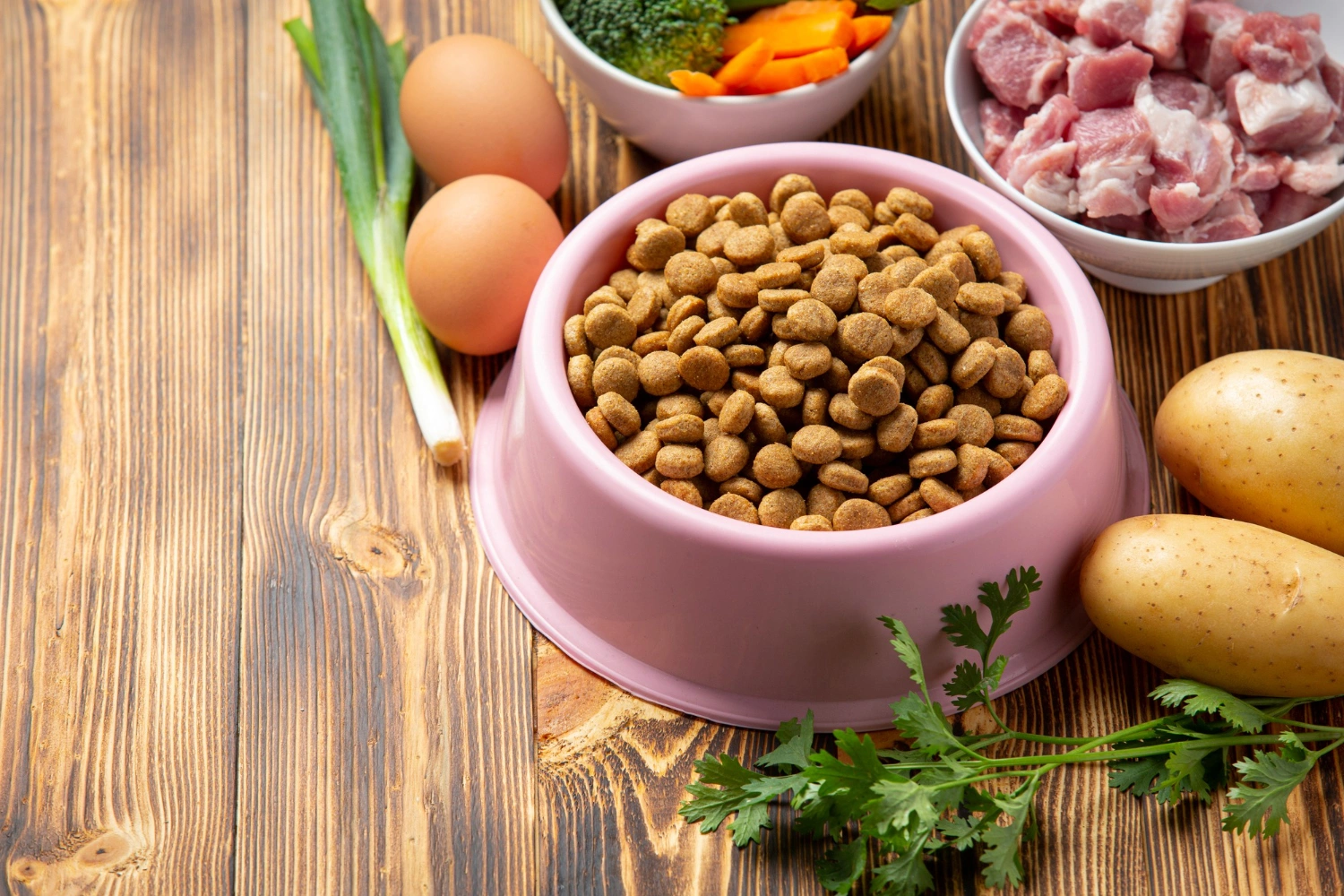
Choosing the food you will be feeding your dog is the most important decision you’ll make as a dog owner. There are many brands and options available, which is why many dog owners don’t know what the best choice is. Every dog is different, which means that the food should be adapted based on its needs and wants. As of today, there are two main options that dog lovers opt for, the brand Meals for Mutts and vegan dog food. This article will help you understand which of these options is better for your dog.
Table of Contents
Understanding the Differences Between Meals for Mutts and Vegan Dog Food
The main and most important difference between the two options is the overall ingredient composition, and therefore their protein sources. Meals for Mutts is a premium dog food brand well known for its grain-free and single-protein recipes. Vegan food relies entirely on plant-based ingredients to provide nutrition. Both of these options appeal to dog owners because they are high-quality and focus on the health and overall well-being of dogs, but the best choice depends on the pet.
Meals for Mutts is very appreciated in the dog lovers community because of their many recipes formulated for different life stages and dietary sensitivities. Vegan dog food is a common choice for dogs with certain allergies or to manage obesity. As you can see, both options aim to provide balanced nutrition, but they differ significantly in their ingredients and nutritional approach. One of these might be great for a dog, but terrible for another one. Which is why we’ll continue by further comparing the two, to ensure that you understand the options better. Always keep in mind that the priority is the health of your dog.
Comparing Nutrition and Health Benefits
Balanced nutrition is as important for dogs as it is for humans. Dogs require protein, carbohydrates, healthy fats, vitamins, minerals, and essential amino acids to maintain muscle mass, organ function and healthy skin. The Meals for Mutts brand is prioritising animal proteins that also contain complete amino acid profiles. Most times, their recipes are also enriched with antioxidants and digestive ingredients, to support the dog’s digestive system along with the skin and coat health. The brand has recipes for puppies, adults and elderly dogs, all adapted to the said age.
Vegan dog food achieves nutritional balance slightly differently. Since some essential nutrients are less abundant in plant ingredients, manufacturers often supplement formulas with nutrients such as taurine, L-carnitine, vitamin B12, vitamin D, and certain amino acids. With a vegan diet, the owner needs to pay some more attention to ensure that the pet is getting all of the nutrients needed. So, both options support the health of your pet, but in different ways. If your dog has sensitivities related to meat, you don’t need to worry as you can provide a health vegan diet. But if your dog can eat meat, be careful to balance it.
Which Dogs May Benefit Most from Each Option?
Every dog is different, and so are their dietary needs. Meals for Mutts has tons of options for healthy dogs of all ages. The variety of protein choices allows owners to select formulas that may better suit dogs with sensitivities to common ingredients. As mentioned previously, the brand has options for puppies, adult and elderly dogs. So, depending on what your dog needs and likes, you can find formulas with salmon and sardines, turkey, lamb, duck and some more options. With all of these formulas, there is no way you won’t find a good match for your pet.
Now, vegan dog food is typically considered only in certain circumstances, as dogs are omnivores. A vegan diet should be recommended by a veterinarian, or you should, at least, discuss with a specialist before putting your dog onto this kind of diet. This diet is best for dogs with meat-protein sensitivities. Moreover, many dog owners choose vegan dog food as it better aligns with their environmental and ethical values. The age and activity level of your dog should also influence this choice. An adult healthy dog that’s active will need a totally different diet compared to an elderly dog that’s not active.
What Factors Should You Consider?
There are a few main factors that you want to consider before making this choice. Your dog’s willingness to eat the food is probably the first factor. Do not invest in a big bag of food at first, as your dog might not like it. Get a smaller bag and slowly and gradually introduce the new food into your dog’s diet. This allows your dog to get used to the food while also minimizing digestive upset. During the transition, monitor stool quality, appetite, energy levels, and any signs of digestive discomfort or allergic reactions.
Reading the ingredient list and ensuring that it’s safe for your dog is also an essential factor. Ensure that the formula meets nutritional standards, and that there is consistency in manufacturing. Remember to be ready to try some different recipes before you find the best one for your pet. Moreover, a factor that dog owners often forget about is long-term affordability. You need to make sure that you are able to provide that formula across many months, or even years. You want to maintain a consistent feeding routine for the best results.
Also Read : How to Renovate Your House into a Pet-Friendly Home
Conclusion
It can be quite complicated to decide which formula or type of diet to opt for when you have a dog. You can always talk to a veterinarian and decide together the best road forward. But you can also decide based on your dog’s age, activity level, sensitives and preferences. You want to provide a balanced diet that provides all of the nutrients your dog needs, but it also needs to be tasty, so that your pet actually eats it. You will probably need to try different formulas over time, but this journey is worth it, as finding the best product will keep your dog healthy and happy.

