

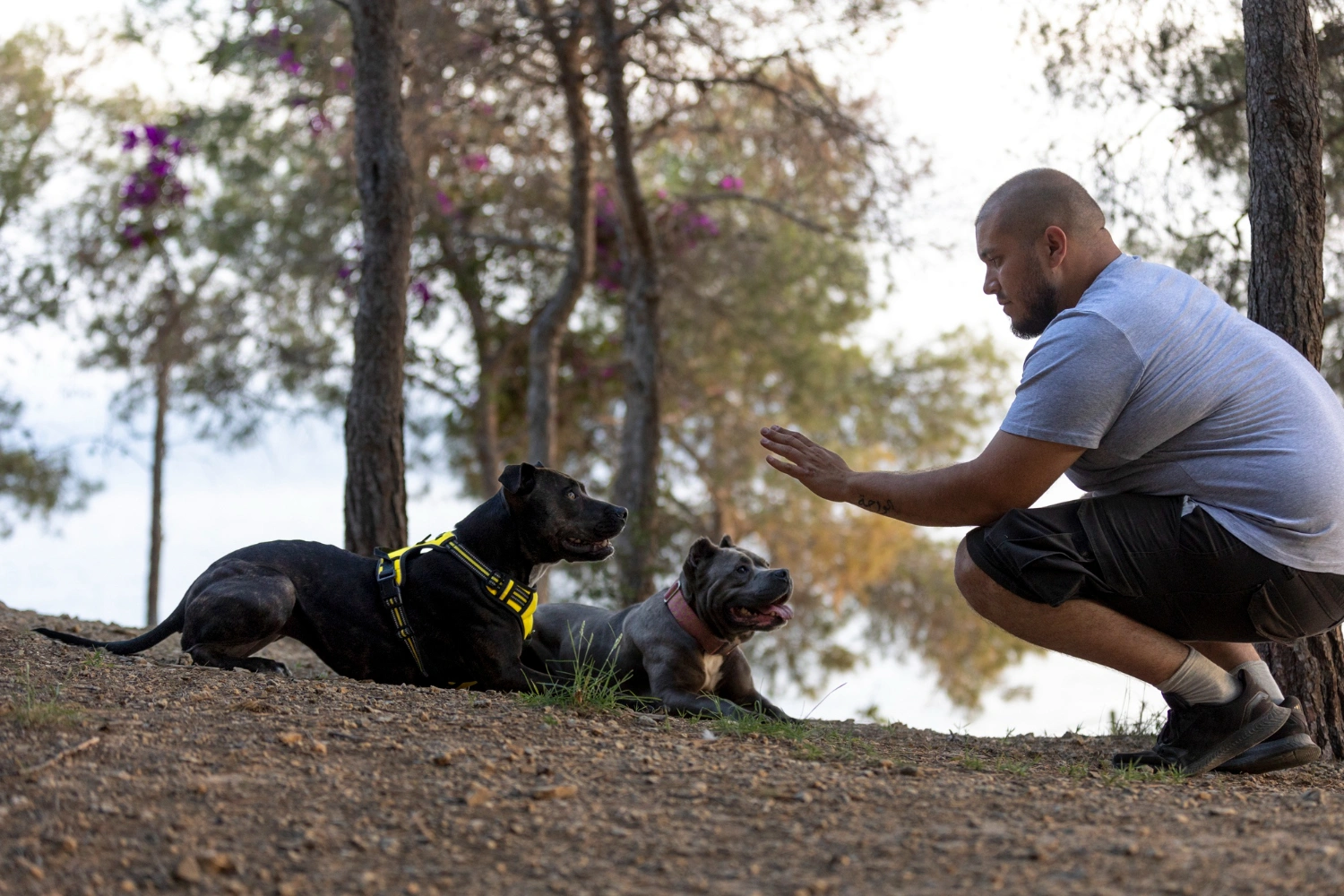
Living with a dog exhibiting aggressive behaviors can transform a happy home into a constant source of stress. We understand the daily challenges you might face – from unexpected lunges at other dogs to snapping at family members. These aren’t just minor quirks. They are serious issues that impact your daily life and your dog’s overall well-being.
Have you ever wished for professional help with these troublesome dog behaviors?
Fortunately, specialized dog training camps offer a structured path to address and modify these challenging issues. These intensive programs, sometimes called ‘boot camps,’ are designed to provide focused, expert intervention.alk about dog training, many people initially think of basic obedience commands like “sit,” “stay,” or “come.” While these are foundational, behavior modification for aggression goes far beyond teaching simple cues. It delves into the underlying psychology, environmental factors, and learned responses that contribute to a dog’s aggressive displays. Aggression isn’t a single issue; it manifests in various forms, each requiring a tailored approach.
Common types of aggression that specialized camps address include:
- Fear-based aggression: Often seen when a dog feels threatened or cornered, leading to growling, snapping, or biting as a defense mechanism.
- Resource guarding: When a dog aggressively protects food, toys, sleeping spots, or even people from others.
- Leash reactivity: Barking, lunging, or growling at other dogs, people, or objects while on a leash, often stemming from frustration or fear.
- Territorial aggression: Directed at strangers or other animals entering the dog’s perceived territory.
- Intra-household aggression: Aggression between dogs or even people living in the same home.
- Pain-induced aggression: When a dog reacts aggressively due to discomfort or pain, which may not always be obvious.
Addressing these behaviors effectively means looking at the dog as a whole. This holistic approach considers not just the outward behavior, but also factors like nutrition, general health, daily structure, and the dog’s psychological state. For instance, a diet lacking essential nutrients can impact a dog’s mood and energy levels, while a chaotic home environment can exacerbate anxiety. By understanding and addressing these root causes, camps aim to create a more balanced and stable canine.
Table of Contents
How Dog Behavior Modification Saves Your Sanity
Living with a dog displaying aggression can feel like walking on eggshells. The constant vigilance, the fear of an incident, and the strain on family dynamics can be immense. Addressing these troublesome dog behaviors through specialized training can dramatically improve the quality of life for both you and your pet. Imagine a home where you don’t have to worry about sibling rivalry between your dogs escalating into a fight, or where walks are no longer a stressful battle against leash reactivity.
Camps teach dogs to manage their triggers and react appropriately, fostering a safer environment, especially if you have children. For instance, learning to manage a dog’s reaction to the mail carrier or a visiting friend can restore peace of mind. The goal is to move from simply reacting to incidents to proactively managing triggers and teaching your dog alternative, acceptable behaviors. This shift from chaos to calm is precisely where behavior modification truly saves your sanity.
The Difference Between Teaching Sit and Fixing Real Aggression
It’s crucial to distinguish between a general behavior camp and an aggression-specific camp. While a general camp might focus on basic manners, polite greetings, and minor behavioral quirks, an aggression-specific camp is equipped to handle more severe and dangerous behaviors. These specialized programs employ rigorous safety protocols to prevent dog fights during training and supervised pack socialization.
A key aspect of aggression-specific camps is their ability to safely integrate dogs into a structured social environment. Some camps, like those employing a “Pack to Basics” methodology, utilize stable, balanced dogs to help rehabilitate aggressive or anxious canines.
What Actually Happens When You Send Your Dog to Camp
A typical day in an aggressive dog training camp often includes:
- Structured training sessions: Multiple short, focused sessions throughout the day, addressing specific aggressive behaviors and teaching alternative responses.
- Physical outlets: Activities like long walks, playtime, and even treadmill training are incorporated. Treadmill training, for example, can be an excellent physical and mental outlet for high-energy or reactive dogs, helping them burn off excess energy and build focus.
- Crate training and structure: Dogs learn to be comfortable and calm in their crates, which provides a safe space and helps establish a predictable routine, reducing anxiety.
- Supervised socialization: Carefully managed interactions with other dogs, often including stable “helper” dogs, to teach appropriate social skills. Specific safety protocols are paramount here, ensuring all interactions are controlled and positive.
- E-collar conditioning: Many camps utilize remote training collars as a communication tool. The emphasis is on conditioning the dog to respond to the lowest possible stimulation level, teaching them what the stimulation means in conjunction with commands, rather than using it for punishment. This balanced approach combines positive reinforcement with clear boundaries.
Why Dog Behavior Modification Requires a Team Effort
Sending your dog to camp is a significant step, but it’s important to understand that it’s not a “drop off and fix” solution. The success of the program hinges on a collaborative effort between the trainers and you, the owner. When your dog returns home, they’ll have new skills and a more balanced mindset, but maintaining these results requires your commitment.
Most reputable camps include a comprehensive handover training session, typically lasting 2-3 hours, where trainers teach you how to continue the work at home. This involves learning the commands, understanding the tools used (like the e-collar), and adopting the same structured approach. Consistency is key; if the home environment doesn’t reinforce the training, the old behaviors can quickly resurface. Many programs also offer free touch-up training sessions and a lifetime support guarantee, underscoring the ongoing partnership. This ensures that you have continued guidance as you integrate your newly trained dog back into your life, making the home transition smoother and more successful.
Also Read: 7 Winter Essentials for Dog-Friendly Beach Walks: Keeping Dogs Warm, Dry, and Comfortable
How Long Does It Take to See Real Change
The duration of an aggressive dog training camp can vary significantly depending on the severity of the aggression and how quickly an individual dog adapts. While some programs might offer a fixed two-week aggressive dog board and train program for around $3,100 (as seen with Off Leash K9 Training of Fort Wayne), others, especially for severe cases, require a much longer commitment. For instance, Partners Dogs’ Transform Camp requires a 28-night minimum stay for severe aggression cases.
Some specialized camps operate on a results-based timeline rather than a strict weekly schedule. Wasatch Canine Camp, for example, offers a flat-rate boot camp program for $4,845, where the dog stays until training is complete, no matter how long it takes. This could range from six weeks to several months. This flexible approach ensures that the dog truly masters the new behaviors before returning home, rather than being rushed out due to a pre-set time limit. Patience is paramount; behavior modification is a process, not an overnight miracle. The investment in time reflects the depth of the issues being addressed.
The Real Cost of Reclaiming Your Sanity and Your Living Room
Here’s a general comparison:
Program Type Pricing Model Typical Cost (July 2026) Duration Key Benefit Weekly Board & Train Per week £850 per week (A&T Trained Dogs) or $1,550-$2,000 per week (US average) 2-4 weeks typically, can extend Structured, time-bound progress Fixed Duration Program Flat rate for set period $3,100 for 2 weeks (Off Leash K9) or $4,000-$6,000 for 3-4 weeks Specific number of weeks (e.g., 21 days for Paw Oasis Pet Resort) Predictable cost for a defined program Results-Based Flat Rate Flat rate for results $4,845 (Wasatch Canine Camp) 6 weeks to several months (until goals met) Guarantees results, no rush, flexible duration Note: These are examples from various sources and represent typical costs in July 2026. Actual prices may vary.
While weekly rates might seem lower initially, a complex case could accrue significant costs over time. A flat-rate, results-based program, despite a higher upfront cost, can offer better value by ensuring the dog stays until the behavior is truly resolved, without additional fees. This model removes the pressure of a ticking clock, allowing trainers to work at the dog’s pace.
Frequently Asked Questions About Intensive Training
Can an aggressive dog ever be fully cured or is it just managed?
This is one of the most critical questions for owners of aggressive dogs. The realistic answer is that aggression is typically managed, not “cured” in the sense that it disappears entirely.
Think of it like a chronic condition that requires ongoing management. Your dog will learn new coping mechanisms, and you will learn to be a consistent leader, providing structure and clear communication. With proper management, consistency, and continued effort at home, many aggressive dogs can live happy, balanced lives, but the potential for relapse, especially under extreme stress or inconsistent handling, always exists. Setting realistic expectations is key to long-term success.
How do I choose a safe and reputable training camp?
Seek Veterinary Referrals: Your veterinarian is an excellent resource. Programs like Partners Dogs are referred by 50+ veterinary practices across the Phoenix metro area, indicating a level of trust within the professional community.
Experienced Trainers: Look for camps with trainers who have extensive experience specifically with aggression. The provided research notes that Partners Dogs has 100+ years of combined dog training experience and has trained 55,000+ dogs, demonstrating a high level of expertise.
Transparent Methods: A reputable camp will be open about their training methodologies, including the use of tools like e-collars, and explain why they use them. They should be able to articulate their safety protocols for pack socialization.
Visit the Facility (if possible): Observe the environment. Is it clean, secure, and well-maintained? Do the dogs appear calm and well-cared for?
Owner Involvement and Support: Ensure the camp offers comprehensive handover training and ongoing support. A “lifetime support guarantee” and free touch-up sessions are strong indicators of a camp’s commitment to long-term success
Are there cases where a training camp is not the right option?
Underlying Medical Issues: If a dog’s aggression stems primarily from an undiagnosed medical condition (e.g., thyroid imbalance, neurological disorder, chronic pain), addressing the medical issue first is crucial. A camp might not be effective until the root health problem is resolved.
Owner Commitment: If the owner is unwilling or unable to consistently follow through with the training protocols and lifestyle changes required after the dog returns home, the results will likely diminish. The camp provides the foundation, but the owner builds upon it.
Severe Separation Anxiety: While some camps can help with mild separation anxiety, severe cases might require a different approach, potentially involving medication and a specialized behavioral modification plan implemented in the home environment.
Financial Constraints: As discussed, these programs are a significant investment. If the cost is prohibitive, private lessons with a qualified behaviorist or trainer in your home might be a more accessible alternative, albeit often a slower process.
Certain Neurological Conditions: In rare cases, severe aggression linked to specific neurological conditions might be beyond the scope of even the most intensive training camps, requiring specialized veterinary neurological intervention.
It’s always best to consult with your veterinarian and a professional dog behaviorist or trainer to assess your dog’s specific situation and determine the most appropriate course of action.
Getting Ready for the Best Version of Your Family Pet
Here are some actionable steps to take before your dog’s camp stay:
- Update Vaccinations and Health Records: Ensure all your dog’s vaccinations are current and that you have documentation readily available. Most facilities require proof of up-to-date rabies, distemper, and bordetella vaccines for the safety of all boarding dogs.
- Prepare Food: If your dog has specific dietary needs, prepare their food carefully. Many camps recommend labeling and packaging dog food in daily portions or sealed containers for long-term boarding to avoid issues and ensure consistency.
- Discuss Behavioral History: Provide the trainers with a detailed list of your dog’s behavioral issues, triggers, and any specific goals you have. The more information they have, the better they can tailor the training.
- Manage Triggers Before Camp: While the camp will address triggers, understanding and managing them in the immediate period before camp can help reduce stress. This might mean avoiding dog parks or certain walking routes temporarily.
- Mentally Prepare for the Separation: It can be tough to be away from your pet, but remember the long-term goal. Your dog is in capable hands, working towards a better future.
By taking these preparatory steps, you’re not just sending your dog to camp; you’re actively participating in their journey toward becoming a calmer, more balanced, and integrated member of your family. The transformation can be profound, leading to a home filled with peace, safety, and the joy of a well-behaved companion.

