

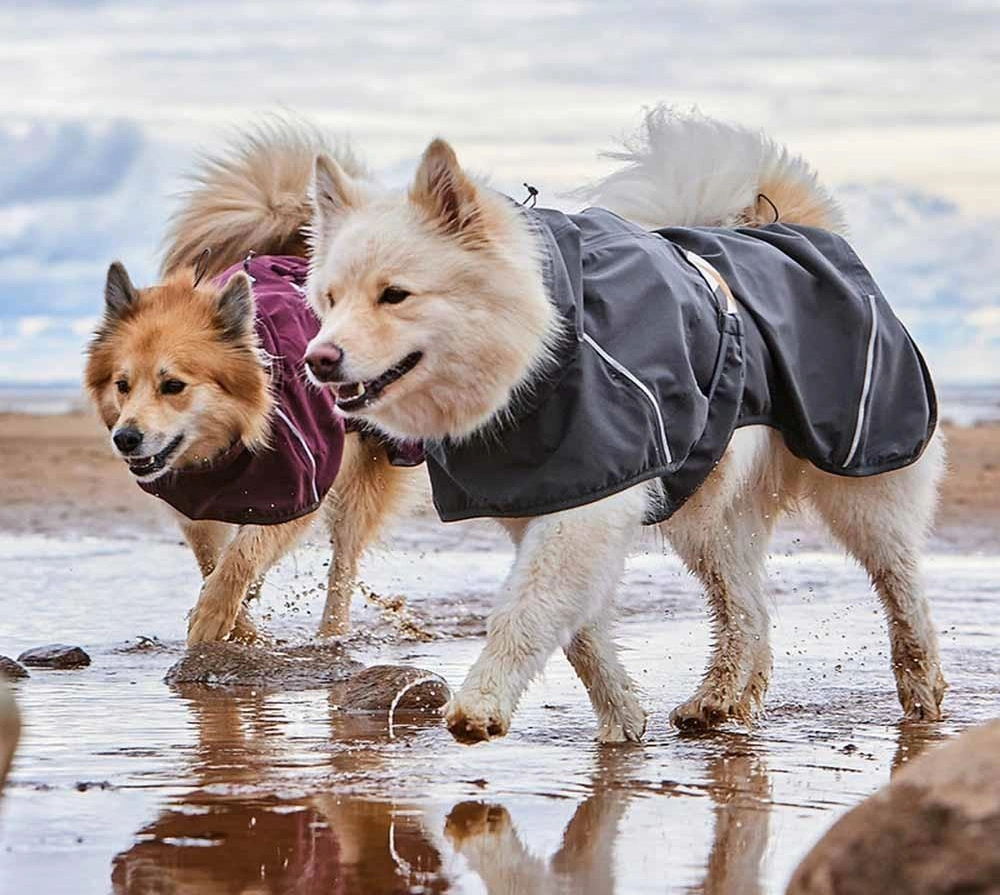
Cold weather doesn’t mean the beach is off-limits. It just changes your prep list. Wind can turn a mild-looking morning brutal in minutes, and you don’t really notice the danger of wet sand, saltwater, sharp shells, and slippery rocks until they are an issue for your dog. And that’s sometimes a little too late. The good news? Winter beach walks can still be genuinely good outings. You just have to check the conditions and actually pack for the weather, not just hope for the best. Here’s what to focus on.
Table of Contents
1. Check tides, weather, and local beach rules before leaving
The walk really starts back home, before the leash even comes out. Check the forecast properly: temperature, wind, rain, any warnings about rough seas. Cold alone, dogs handle fine. Wet alone too. Stack cold, wet, and windy together though, and things go downhill fast once that coat soaks through.
Check the tides as well. That wide stretch of sand you’re standing on at low tide won’t stay that wide. It can narrow fast once the water starts coming back in. So if you’re anywhere near rocks, cliffs, dunes, or a stretch with limited ways back out, leave yourself room to react.
Local rules are also worth the two minutes it takes to check them. Some beaches keep dogs off entirely during winter months, or restrict hours, or insist on a lead at all times, no exceptions. The beach a short drive away might also have entirely different rules. What worked last time doesn’t automatically work this time.
Once you’re there, actually assess the place. Rough surf, strong currents, flooding, debris scattered around, waves that look bigger than usual. Any of that is reason enough to keep the walk short or just pick a different bit of shoreline.
2. Pack a waterproof outer layer
A wet dog in a cold wind loses heat fast. A waterproof or water-resistant outer layer helps keep the worst of it off, and it makes the biggest difference for dogs with short, fine, or thin coats that don’t have much natural insulation to begin with.
Fit is where people usually get it wrong. Your dog still has to walk, sit, turn, do their business, all without a coat that rubs or gets in the way. Skip anything baggy enough to catch on a branch or a jagged rock along the path.
If you’re deciding on a warm dog coat, think about the actual conditions you’re walking into, not just what season it technically is. A light water-resistant jacket usually beats a thick sweater on a wet, windy beach, mostly because that sweater soaks up water and turns into extra weight your dog has to drag around.
One more thing worth doing. Let your dog wear it around the house first. Them getting used to wearing the jacket or coat makes the actual beach trip go far more smoothly.
3. Protect paws from cold sand, salt, and shells
Your dog’s paw pads are tough, but they can still be injured. Winter beaches hide sharp shells, broken debris, loose stones, and rough patches that can cut your dog. Saltwater and wet sand aren’t gentle on the skin either.
Watch the ground as you go and steer around anything sharp-looking. Protective dog boots can provide an extra barrier on particularly rough terrain. They should fit securely without being too tight, and your dog should have time to get comfortable wearing them before the beach trip. Waterproof dog boots with features including a water-resistant exterior and rubber sole can be especially useful on wet or uneven surfaces.
Watch for the tells. Limping. Lifting a paw. Licking at their feet more than usual. Just stopping and refusing to move. Any of that means stop and check. And once you’re home, rinse off the salt and sand, check between the toes properly, and dry everything. If you find a deep cut or your dog continues to limp, contact your veterinarian.
4. Bring fresh water and a collapsible bowl
Cold weather doesn’t cancel out thirst. Running on sand, walking into a headwind, splashing through waves, it all costs energy, and your dog needs clean water available the whole time you’re out there.
A collapsible bowl barely adds weight to your bag and turns a water break into something quick and easy. Offer it regularly, more so if your dog’s an active one or keeps wading back into the water.
Seawater doesn’t count, however eager your dog looks lapping it up. If they drink enough of it, you’re looking at vomiting, diarrhea, dehydration, and in bad cases, salt poisoning. So it’s on you to notice what they’re actually swallowing, while you’re out there. If your dog does end up drinking a fair amount of seawater and starts showing symptoms after, get veterinary advice.
5. Use a long line safely and keep an eye on conditions
A long line gives your dog room to sniff and wander while you keep some grip on the situation, but it’s not something you can just clip on and forget about. Keep it clear of other walkers, other dogs, rocks, posts, anything it might wrap itself around.
It’s also not a substitute for actually watching your dog. Before they head into the water, size up the surf, the current, how cold it looks out there. Even a dog that swims confidently can get into trouble when conditions shift without much warning.
If your dog’s recall is shaky, or every bird sends them sprinting off, a secure standard leash is the smarter move. That doesn’t mean less sniffing or less freedom to explore. It just keeps them off the riskier stretch of shoreline.
6. Pack a towel and dry layer for after the walk
Once your dog is soaked and sandy, a towel becomes the most important thing in the car. Dry them off before they climb in, and don’t rush past the belly, the legs, and the paws. That’s exactly where moisture likes to hide. On the colder, wetter days, bring along a dry blanket or something warm for the ride back home.
Rinsing the paws and lower legs while you’re at it costs you an extra minute and saves a headache later. Less salt and sand on the fur means less for your dog to lick off afterward, and less chance of the skin getting irritated.
7. Know when to shorten the walk and head home
The planned route was never the actual goal. How your dog is doing, that’s the goal, especially once the weather turns cold, wet, or windy on you.
Shivering is usually the earliest warning sign, but don’t sit around waiting for it to get worse. A dog that’s gone quiet, or seems suddenly tired, reluctant to keep walking, or hunting for shelter, might be struggling more than it looks like from the outside.
And if your dog seems distressed, seriously weak, disoriented, or just can’t warm back up, get them somewhere warm and call the vet. No walk is worth pushing through that.
Also Read : Off-Leash Freedom Without Compromising Safety: How Modern Technology Helps Protect Dogs
Conclusion
Winter beach walks go a lot smoother when the planning covers the weather as much as it covers where you’re headed. Check the tide, the forecast, the local rules. Pack tPack for the weather and your dog’s comfort. Keep an eye on your dog and the surroundings while you’re out there. And the moment something feels off, whether that’s your dog or the day itself, just head home. A shorter walk that ends well beats a longer one that doesn’t.

