

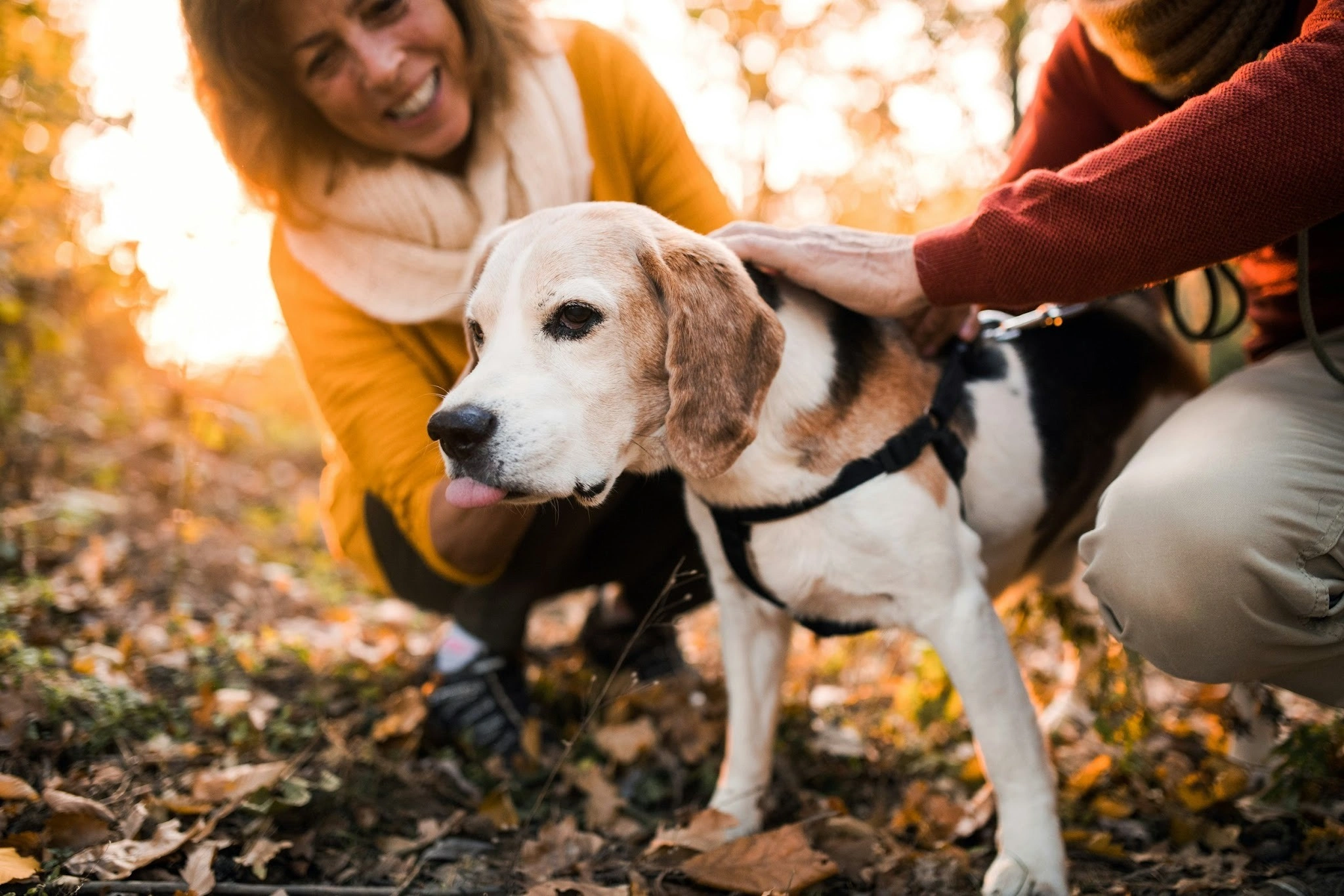
For dog owners in Daly City, the dream of a strong, responsive partnership with their canine companions is a common one. Navigating our vibrant urban environment, with its unique sights, sounds, and scents, can sometimes challenge even the best-behaved dogs. This is why specialized training methods are so valuable.
In this guide, we will explore mantrailing courses available in and near Daly City. We will uncover what mantrailing is, how it differs from other scent work, and the profound skills and benefits it brings to both ends of the leash. This approach perfectly embodies the principles of relationship-based dog training, fostering mutual trust and clear communication. Join us as we delve into how you and your dog can embark on this rewarding journey.
Table of Contents
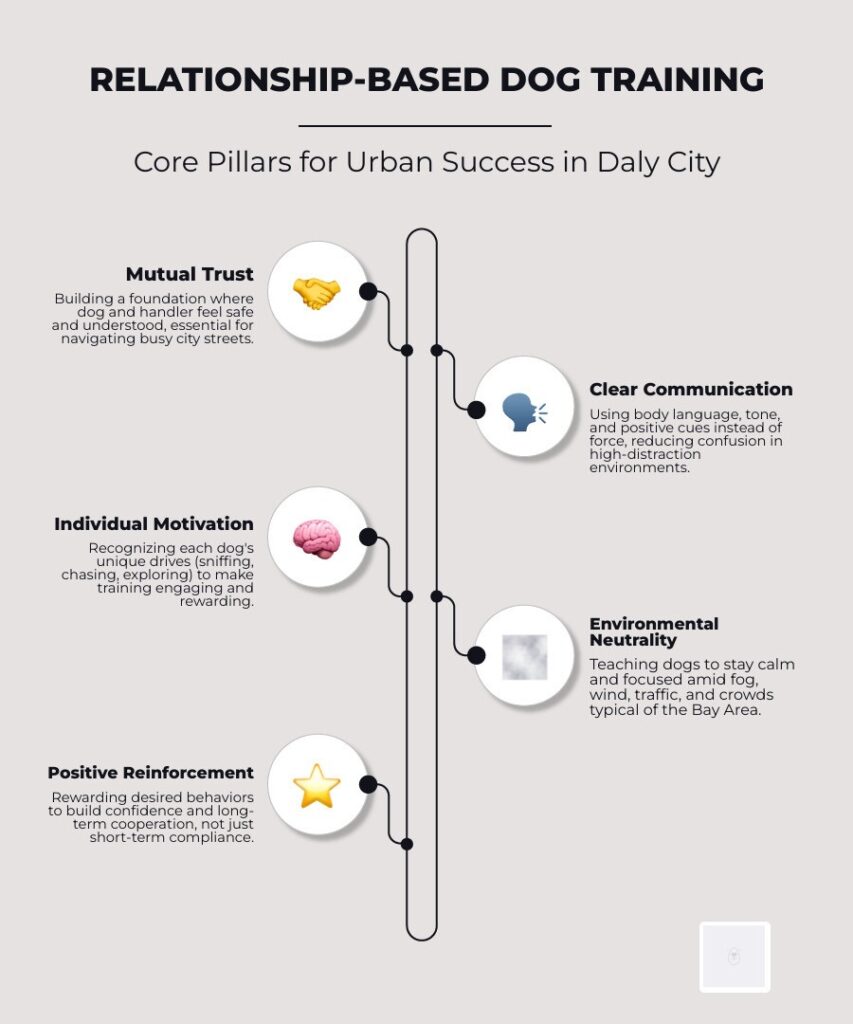
In the bustling landscape of Daly City, building a strong, communicative relationship with our dogs is paramount. Relationship-based dog training moves beyond rote obedience commands, focusing instead on fostering mutual respect, understanding, and trust between a dog and their handler. This approach acknowledges that every dog is an individual with unique needs, motivations, and learning styles. It emphasizes clear communication, not just through verbal cues, but also through body language, environmental management, and positive reinforcement
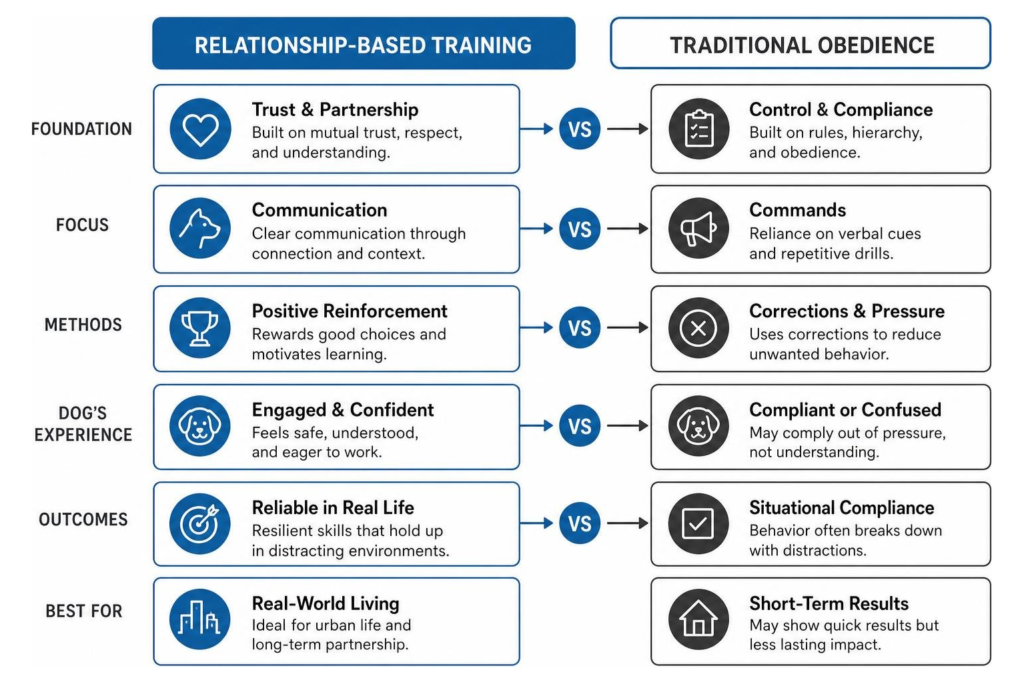
Why Relationship-Based Dog Training Outperforms Traditional Methods
Traditional dog training often relies on repetitive drills and correction-based methods, aiming for immediate compliance. While these methods can produce results, they sometimes overlook the underlying emotional state of the dog or the quality of the bond between dog and handler. Relationship-based dog training, by contrast, prioritizes building a foundation of trust and positive reinforcement. This leads to more resilient behavior modification, as dogs learn not just what to do, but why it’s rewarding to cooperate with their human.
How Relationship-Based Dog Training Addresses Reactivity and Distractions
Reactivity, whether towards other dogs, people, or environmental stimuli, is a common challenge for urban dog owners. The high urban density of Daly City, with its constant flow of traffic, pedestrians, and other animals, can be overwhelming for many dogs. Relationship-based training provides strategies that go beyond simply suppressing reactive behaviors.
Mantrailing as the Ultimate Expression of Teamwork
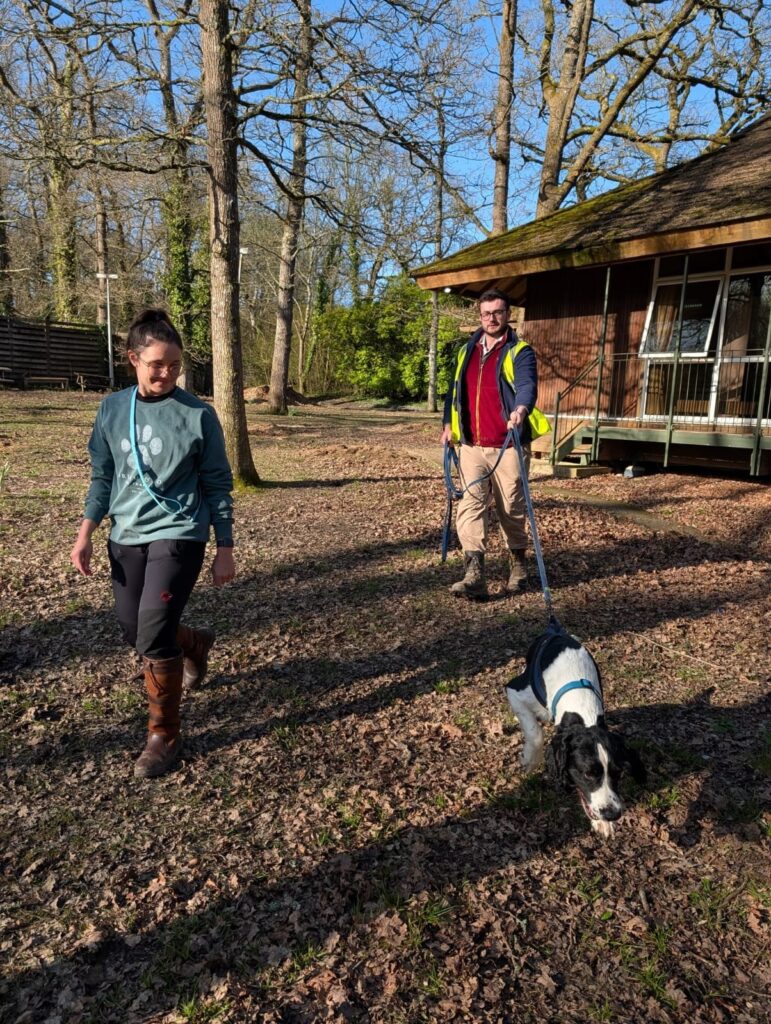
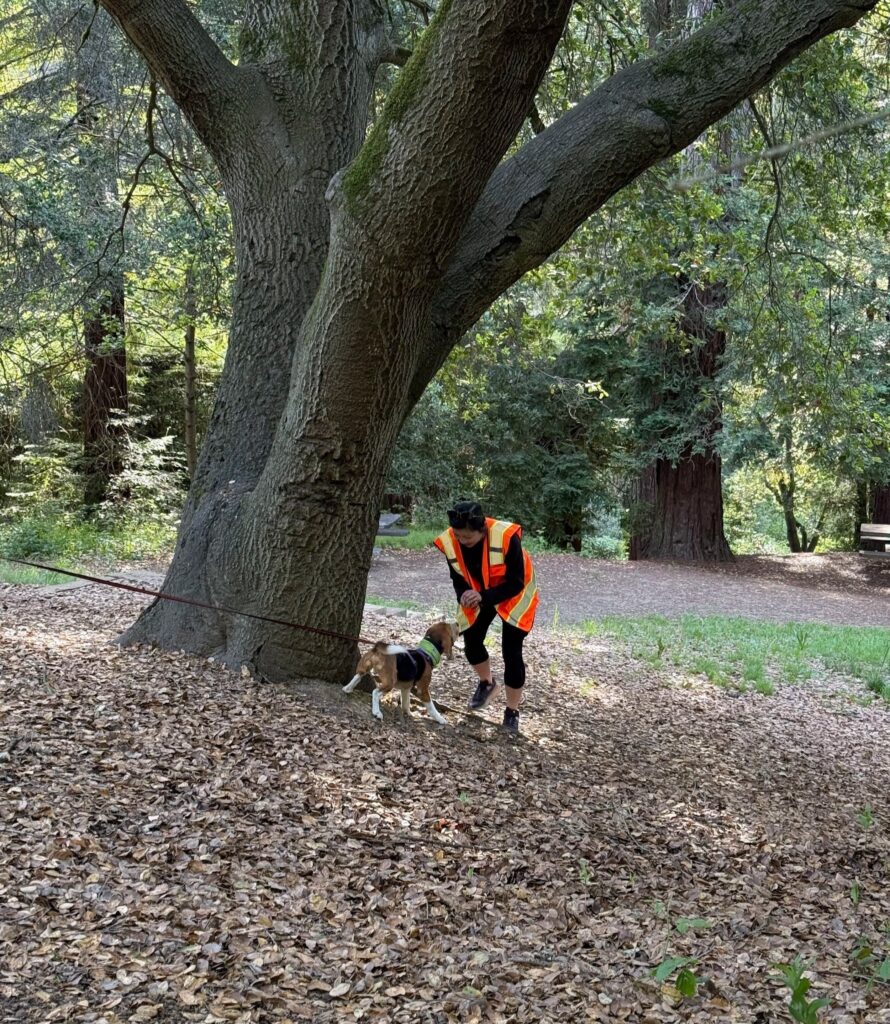
Mantrailing is an exceptional activity that embodies the core principles of relationship-based dog training. It’s a specialized form of scent work where a dog follows the unique human scent of a specific person (the “target” or “quarry”) over
For handlers, mantrailing is a masterclass in observation, trust, and communication. We learn to “read” our dogs, interpreting their subtle changes in behavior, body language, and tail wags as they work the scent. It’s a true partnership where the dog leads with their nose, and the handler supports them, navigating obstacles and understanding the dog’s needs.
The Mechanics of Mantrailing vs. Standard Scent Work
While both mantrailing and other scent work activities (like nose work or tracking) rely on a dog’s sense of smell, there are crucial distinctions:
- Mantrailing: The dog is given a “scent article” (an item with the target person’s unique scent) and is trained to follow only that specific human’s scent trail. This involves scent discrimination, meaning the dog must ignore other human scents and distractions. The dog is typically on a long line, actively searching for the target person, often over varied terrain and through urban environments. It’s about finding a specific person.
- Tracking: In traditional tracking, the dog follows the ground disturbance left by a person’s footsteps. While scent is involved, the primary focus is on the disturbed ground. The dog often works with its nose close to the ground, meticulously following each footstep.
- Air Scenting: This is common in wilderness search and rescue, where dogs work off-leash to detect any human scent in a large area and then indicate the source. They are not following a specific trail but rather detecting the presence of human odor carried by the wind.
- Nose Work/Scent Detection: These activities typically involve dogs finding specific odors (e.g., essential oils, narcotics, explosives) in a variety of containers or environments. The goal is to locate the odor, not necessarily to follow a trail.
Practical Applications of Relationship-Based Dog Training Through Mantrailing
Mantrailing is more than just a fun game; it offers profound benefits that align perfectly with relationship-based training principles:
- Enhanced Handler Communication: We learn to trust our dog’s incredible sense of smell and interpret their subtle cues. This deepens our understanding of canine communication beyond verbal commands.
- Reading Body Language: As dogs work a trail, their body language tells a story. Handlers become adept at recognizing changes in pace, head position, tail movement, and sniffing patterns, all of which indicate how close they are to the scent or if they’ve lost it.
- Confidence Building: For shy, anxious, or reactive dogs, mantrailing provides a structured activity where they are in control, using their natural abilities. Success on the trail significantly boosts a dog’s confidence and self-esteem.
- Drive Channelization: Many dogs have a strong prey drive or a natural inclination to sniff and explore. Mantrailing effectively channels these innate drives into a productive, mentally stimulating, and physically engaging activity, reducing boredom and potential behavioral issues.
- Working Partnership: The entire activity is a collaborative effort. The dog relies on the handler for support, safety, and direction, while the handler relies on the dog’s nose. This creates an unparalleled working partnership, strengthening the bond in a truly unique way.
Navigating Daly City’s Unique Environmental Challenges
- Fog: The notorious “Daly City fog” can significantly affect scent dispersion. Moisture in the air can hold scent particles closer to the ground, sometimes making trails easier to follow initially, but also potentially washing out older scents or creating dense scent pools.
- Wind: Strong coastal winds are a constant factor. Wind can carry scent for long distances, create complex scent patterns, or disperse scent quickly, making the dog’s job much harder. Handlers learn to understand wind direction and how it influences where the scent might be.
- Urban Density: The mix of residential areas, commercial zones, and public parks means mantrailers encounter a high concentration of human and animal scents, vehicle exhaust, and other urban distractions. Dogs must learn to discriminate their target scent amidst this “scent soup.”
- Hard Surfaces: Concrete, asphalt, and other paved surfaces are common in Daly City. Scent behaves differently on hard surfaces compared to natural terrain, often dissipating more quickly or being less concentrated. This requires dogs to work harder and handlers to be more observant.
Training in these conditions prepares dogs and handlers for real-world scenarios, building resilience and adaptability. It teaches dogs to problem-solve in complex scent environments and handlers to trust their dog’s abilities even when the trail seems impossible.
Also Read : 7 Winter Essentials for Dog-Friendly Beach Walks: Keeping Dogs Warm, Dry, and Comfortable
Equipment and Prerequisites for Local Mantrailing Courses
Required Equipment:
- Long Line: A 15-30 foot non-retractable line is essential. This allows the dog freedom to work the scent while the handler maintains control and safety.
- Harness: A comfortable, Y-front, non-restrictive harness is crucial. It distributes pressure evenly across the dog’s chest and shoulders, preventing strain on the neck, especially when the dog is pulling into the harness during a trail.
- Scent Article: Participants will need a clean, unwashed item belonging to the target person (e.g., a worn t-shirt, sock, or handkerchief). This provides the dog with the specific scent to follow.
- High-Value Rewards: Extremely motivating treats (soft, smelly, small pieces) or a favorite toy are vital for reinforcing successful trailing and finding the quarry.
- Water: For both dog and handler, especially during longer trails.
- Appropriate Clothing: Handlers should wear comfortable shoes and weather-appropriate clothing suitable for walking over varied terrain.
Prerequisites:
- Basic Obedience: While not an obedience class, dogs should have a basic understanding of cues like “sit,” “stay,” and “come” for handler control, especially in public areas.
- No Aggression: Dogs should not display aggression towards people or other dogs, as courses often involve working in proximity to others.
- Handler Engagement: The most important prerequisite is a handler willing to learn, observe, and trust their dog’s incredible abilities. No prior scent work experience for the handler is typically required.
- Health: Dogs should be in good physical health to participate in an activity that involves walking and sniffing for extended periods.
Many local organizations offering mantrailing courses, such as Grimm & Co. Dog Training, will outline specific requirements and provide guidance on obtaining the necessary gear.
Frequently Asked Questions About Mantrailing and Relationship-Based Training
What is the difference between tracking and mantrailing?
As discussed earlier, the primary distinction lies in what the dog is following. In tracking, the dog typically follows the ground disturbance left by a person’s footsteps, often with their nose close to the ground, meticulously working a specific path. While scent is present, the physical disturbance is a key element. In mantrailing, the dog is specifically following the unique human scent of a particular individual, using scent discrimination to differentiate it from other odors.
How does mantrailing help with reactive or anxious dogs in the Bay Area?
Mantrailing is exceptionally beneficial for reactive or anxious dogs for several reasons:
Confidence Building: The dog is the expert, using their natural superpower (their nose). Successfully finding the “quarry” provides immense satisfaction and builds self-confidence, translating to other areas of their life.
Focus and Mental Engagement: Mantrailing requires intense mental focus, which can be exhausting in a good way. This mental stimulation helps redirect anxious energy and provides a constructive outlet for dogs that might otherwise fixate on triggers.
Environmental Neutrality: During a trail, the dog is so interested in their work that they often become less aware of environmental distractions that would normally trigger a reaction. This allows them to experience the environment in a more neutral or even positive light.
Decompression: The focused sniffing and problem-solving involved in mantrailing are naturally calming activities for dogs. It helps them decompress and reduces overall stress levels.
Strengthened Bond: The shared experience of working together on a trail, where the handler trusts the dog’s lead, significantly strengthens the bond and communication, which is crucial for managing reactivity.
What safety and legal guidelines should handlers follow when training in Daly City?
Leash Laws: Always respect local leash laws. While mantrailing involves a long line, it’s still considered being on-leash. Ensure your dog is always under control.
Private Property: Never trail onto private property without explicit permission from the owner. This is a crucial ethical and legal consideration.
Public Spaces: When training in public parks or residential areas, be mindful of other people, dogs, and traffic. Avoid disrupting others and ensure your dog’s presence is not a nuisance or a perceived threat.
Handler Awareness: Always be aware of your surroundings. This includes traffic, potential hazards, and the reactions of passersby. Explain what you’re doing if people seem curious or concerned.
Waste Management: Always pick up after your dog. Maintaining clean public spaces is essential for continued access for dog activities.
Responsible and respectful practice ensures that mantrailing remains a welcome activity in our community.
Building a Resilient Partnership for Long-Term Success
The journey into relationship-based dog training, particularly through an engaging activity like mantrailing, offers a pathway to a truly exceptional partnership with your canine companion. It’s about more than just teaching commands; it’s about understanding, trust, and mutual respect. For residents of Daly City, embracing these training philosophies provides the tools to navigate our unique urban environment with confidence and joy, transforming potential challenges into opportunities for growth and bonding.
If you’re ready to embark on this rewarding journey and discover the profound benefits of a truly collaborative partnership with your dog, we encourage you to explore the local training opportunities available. Taking the first step, perhaps with a consultation, can open up a world of possibilities for you and your dog.

