

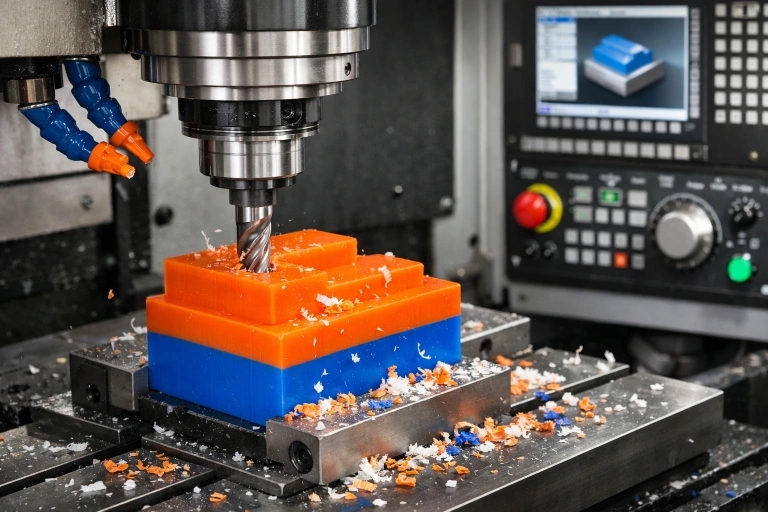
Computer Numerical Control (CNC) plastic machining stands as a foundation of modern manufacturing. It leverages computer-controlled machines to sculpt plastic materials into highly precise and functional components. The demand for accuracy, repeatability, and efficiency has led industries to rely on CNC plastic machining technologies increasingly.
From aerospace engineering to consumer electronics, companies are pushing the boundaries of what is possible with plastics. By enabling the consistent production of complex geometries and durable parts, CNC technologies are aligning with current industry needs. As more manufacturers seek custom solutions, the relevance of advanced CNC plastic machining, not only for prototyping but also for end-use parts, continues to rise across various sectors.
Organizations are investing not only in machines but also in the workforce and digital resources needed to exploit CNC capabilities fully. This focus on continuous improvement reflects an industry-wide shift toward more integrated and efficient plastics manufacturing. Innovations in process automation, smarter CAD/CAM software, and more resilient tooling contribute to quality and scalability.
For businesses considering new manufacturing approaches, staying informed about technological evolution in this area is increasingly important. Those who embrace these trends can meet tighter tolerances, improve productivity, and support new market demands. To keep pace, cross-industry collaboration and research-driven adoption of emerging practices will be critical in shaping the landscape of CNC plastic machining.
Table of Contents
The Rise of CNC Plastic Machining
Over the past decade, the market for CNC plastic machining has seen tremendous growth. This momentum is fueled by industries seeking lightweight, corrosion-resistant, and formable materials for high-performance applications. Manufacturers like XTJ CNC illustrate the shift by expanding their services to include a broader array of plastic-machining processes to meet demanding custom requirements. Their efforts mirror broad industry trends towards adopting digital manufacturing and rapid prototyping solutions that deliver both scale and customization. For a detailed look at how such expansions are shaping the industry, consult resources like Engineering.com.
Advantages of CNC Plastic Machining
CNC platforms offer core advantages to manufacturers seeking precision and flexibility:
- Precision and Consistency: The software and automation behind CNC allow parts to be produced with tight tolerances and uniformity, which is crucial for high-performance assemblies.
- Material Versatility: Plastics ranging from engineering grades like PEEK and Delrin to high-impact polycarbonate can be accurately machined.
- Efficiency: Faster setup times, repeatable cycles, and minimal material waste make CNC machining a cost-efficient option for both prototyping and production runs.
- Complex Geometries: The detailed motion control of CNC systems enables the fabrication of designs otherwise unachievable by conventional methods.
Applications Across Industries
The precision and adaptability of CNC plastic machining have encouraged adoption across a wide spectrum of industries:
- Aerospace: Used to deliver lightweight, durable parts for critical applications, including aircraft interiors, custom housings, and supports.
- Medical Devices: Favored for producing sterile, biocompatible components and fixtures with tight tolerances needed for patient safety.
- Automotive: Ideal for prototypes, functional components, and assemblies where precision and repeatability create a competitive edge.
- Electronics: Utilized in crafting intricate enclosures, connectors, and insulating components for high-reliability systems.
Material Selection in CNC Plastic Machining
Selecting the best plastic is an essential first step in successful CNC machining projects. Careful consideration of mechanical, thermal, and chemical properties is required to match material capabilities with the intended part function. Factors to weigh include:
- Mechanical Properties: Assessing strength, impact resistance, and flexibility ensures suitability for operational environments.
- Thermal Resistance: Parts may need to operate in environments with constant or cycling temperature extremes, making heat tolerance crucial.
- Chemical Resistance: Exposure to solvents, fuels, or cleaning agents can impact part lifespan and performance.
- Cost: Achieving an optimal balance between high-performance materials and budget requirements is vital for successful projects.
To gain broader insights into engineering-grade plastics, manufacturers can refer to PlasticsToday’s technical resources.
Technological Advancements in CNC Machining
Innovation in CNC plastic machining continues to move the industry forward. Leaders like XTJ CNC are integrating rapid CNC and 3D printing to meet evolving design challenges, such as those found in the drone sector. Enhanced software, real-time quality monitoring, and hybrid manufacturing technologies are enabling faster, more flexible production cycles. These advancements help companies address shorter product lifecycles and the push for mass customization. For a deeper dive into the fusion of traditional and digital manufacturing, Machine Design on AI in CAD/CAM Software offers an additional perspective.
Challenges and Considerations
Even as CNC plastic machining delivers substantial value, manufacturers face unique obstacles:
- Material Limitations: Not every plastic is suitable for rigorous applications, especially where high heat or impact is expected.
- Tool Wear: Machining plastic, particularly abrasive or filled grades, can cause tool dulling, requiring careful selection of tooling materials and maintenance routines.
- Thermal Expansion: Plastics’ tendency to expand or contract can impact measured tolerances, particularly for precise or interlocking assemblies.
- Cost Management: While CNC reduces waste, specialty plastics and complex designs can increase costs, necessitating proactive quoting and value engineering.
Also Read : Lost Dog Prevention: What Every Owner Should Do Before It Happens
Future Trends in CNC Plastic Machining
Major trends shaping the future of CNC plastic machining include increased integration of CNC and additive manufacturing, further automation through robotics and artificial intelligence, the development of advanced plastics with tailored properties, and heightened emphasis on sustainability. Manufacturers are expected to pursue solutions that improve both environmental and operational performance, such as using recycled materials and implementing energy-saving processes.
- Integration with Additive Manufacturing: Combining subtractive and additive processes to deliver hybrid solutions.
- Automation: Use of robotics and AI for programming, monitoring, and quality assurance.
- Material Innovations: Research in plastics with custom mechanical and chemical properties for niche applications.
- Sustainability: Adoption of eco-friendly materials and practices to meet regulatory and consumer expectations.
Conclusion
continues to drive innovation and precision across manufacturing sectors worldwide. It enables greater design freedom, process efficiency, and reliability, attributes essential for industries confronting evolving technical and market challenges. As technologies and material science advance, organizations that invest in the latest CNC capabilities will position themselves as leaders, able to respond nimbly to new opportunities and stringent quality standards.

