

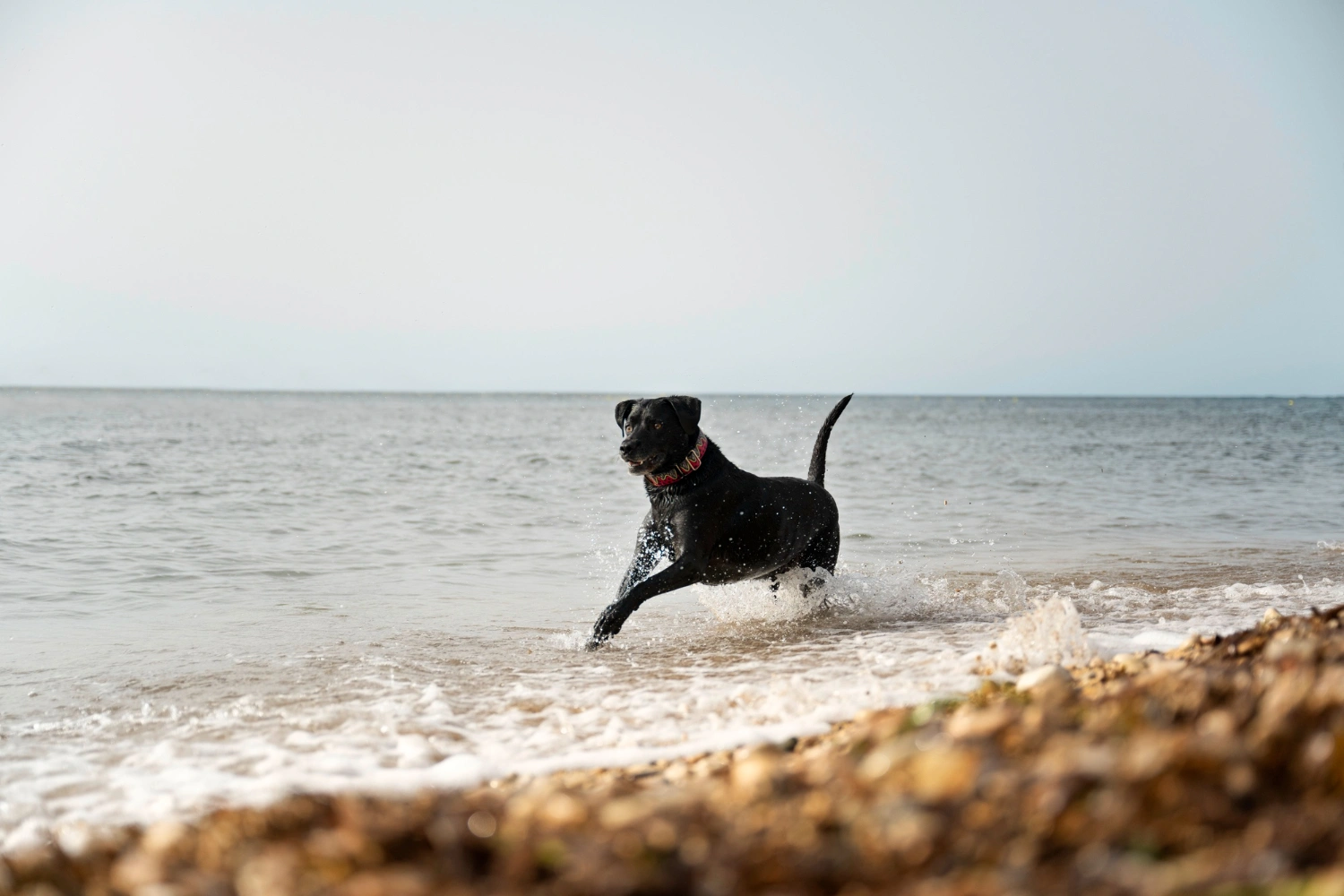
There is nothing quite like a day at the beach with your dog. The salty air, the crashing waves, the sheer joy on your pup’s face as they sprint across the sand – it’s one of the best experiences a dog owner can have. But beaches are also unpredictable environments. Crowds shift, distractions multiply, and before you know it, your dog has vanished into a sea of umbrellas and strangers. If that happens to you, every second counts. Here is a clear, step-by-step action plan to help you reunite with your lost dog as quickly as possible.
Table of Contents
Stay Calm and Retrace Your Steps Immediately
The moment you realize your dog is missing, take a slow breath. Panic clouds your judgment and slows you down. Start by retracing your exact path along the beach. Dogs who get spooked or distracted often loop back to a familiar scent or a spot where they last felt safe. Call your dog’s name in a calm, upbeat voice – not a panicked, frantic tone. Dogs respond far better to an inviting sound than to a voice that signals distress.
Think about what happened in the moments before they disappeared. Was there a loud noise, a wave, another dog? Did they see something and bolt in a specific direction? Mentally map out the last known location and use that as your starting circle.
Enlist Every Set of Eyes Around You
Beaches are actually great places to lose a dog and find one – because there are usually a lot of people around. Walk up to nearby beachgoers, lifeguards, and vendors and describe your dog clearly: breed, color, size, any collar or tag details, and any distinctive markings. Most people at the beach are relaxed and genuinely happy to help.
Ask the lifeguard station to make an announcement if the beach has a PA system. Many dog-friendly beaches have staff who deal with this more often than you’d think. Don’t be shy about asking – they want your dog found too.
Post on Local Social Media Groups Right Away
Pull out your phone and immediately post in local Facebook groups, Nextdoor, and community pages for that specific beach or town. Include a clear photo, your dog’s name, the last known location, and your contact number. These community groups move fast, and someone nearby may have already spotted your pup.
Speaking of contact numbers – if someone finds your dog and calls the number on their tag, you want to make sure you can be reached. If you’re traveling to a beach town you’re not familiar with and someone calls a number you’re unsure about, tools exist to help trace contact details quickly. For instance, if a finder leaves you a callback number you don’t recognize, this tool can help you verify who you’re dealing with before meeting a stranger to retrieve your pet. Safety goes both ways.
Contact Local Animal Control and Nearby Shelters
Call your local animal control office and report your dog missing as soon as possible. Give them a full description and your contact information. Many beach towns have animal control officers who patrol popular areas, and they may have already picked up a stray dog matching your description.
Follow up with any nearby shelters, both municipal and private rescues. Visit in person if you can – shelter staff often see dozens of animals and a face-to-face visit with a photo is far more effective than a phone description. Check back every day. Shelters can get busy, and a new intake may not match a description from the day before.
Create and Post Physical Flyers Fast
If your dog hasn’t been found within the first hour, create a simple flyer using your phone and get it printed at a nearby convenience store or pharmacy. Use a large, clear photo and big bold text. Include your dog’s name, the date they went missing, and two contact numbers if possible. Post them at the beach entrance, nearby parking lots, pet stores, and any shops along the main road.
Keep the text minimal and readable from a distance. People driving by won’t stop for a wall of words, but they will glance at a big photo and a phone number.
Understand Why Dogs Bolt and How to Prevent It Next Time
Most dogs go missing at the beach due to overstimulation – the combination of new smells, sounds, and sights can overwhelm even a well-trained dog. Fireworks, loud waves, or an aggressive off-leash dog can trigger a flight response that overrides all their recall training.
Before your next beach visit, ensure your dog’s microchip information is current and their collar tags are legible. Consider a GPS tracker specifically designed for dogs – several brands now offer lightweight, waterproof versions ideal for beach environments. It’s also worth reading up on how stray and lost animal situations are handled in different places. For example, this research on stray dog management offers a fascinating look at how systemic infrastructure and policy decisions shape outcomes for lost and roaming animals – a reminder that the environment your dog is found in matters enormously in whether they make it home safely.
Also Read: Off-Leash Freedom Without Compromising Safety: How Modern Technology Helps Protect Dogs
Don’t Give Up Too Soon
Dogs have been reunited with their families weeks and even months after going missing. Keep your flyers up, keep checking shelters, and keep posting updates online. The beach community is often tighter than it seems, and word travels. Stay hopeful, stay organized, and keep searching with the same energy on day five as you had on day one.
Your dog found their way into your life once – they can find their way back.

